Staying Hydrated and Safe in Summer Camping
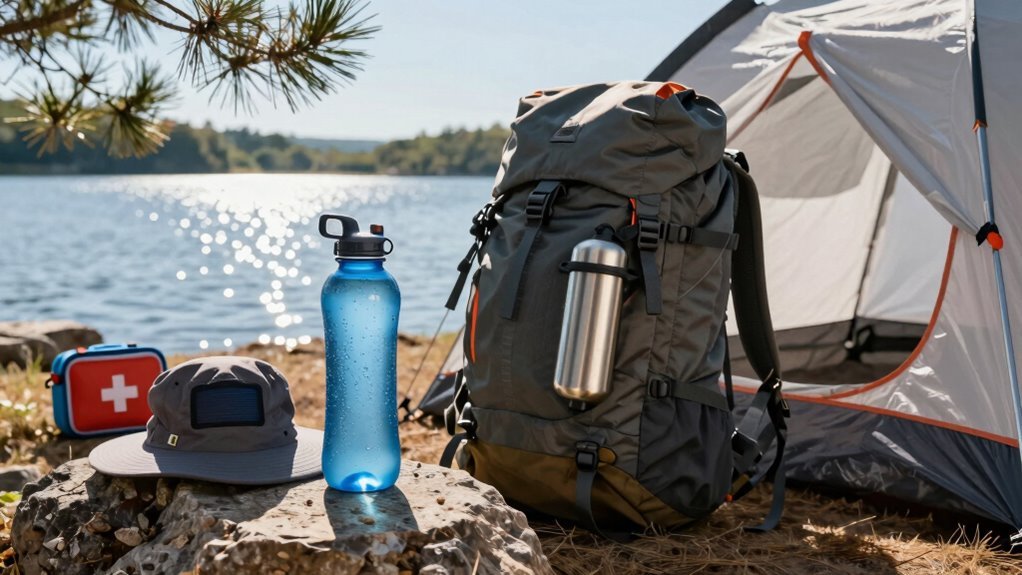
Staying hydrated and safe in summer camping means drinking water before you feel thirsty. Sip frequently throughout the day to maintain proper hydration, especially under the hot sun.
Aim for pale yellow urine as a sign of good hydration. Combine water with electrolyte-rich drinks to prevent cramps and fatigue during physical activity.
Carry a hydration bladder or two durable water bottles for easy access. Refill wisely using purifying tablets to ensure your water is safe and clean.
Snack on water-rich foods like watermelon, cucumbers, and oranges. These help keep your body cooled and hydrated between water breaks.
Avoid sugary sodas and excessive caffeine, as they can lead to dehydration. Stick to water and balanced electrolyte solutions for better performance and comfort.
Use your backpack to your advantage—position your water bladder or bottles for easy sipping. This keeps water handy and your pack balanced on long hikes.
Understanding How Heat Affects Your Body
Ever wonder why your body feels like it’s melting during a summer hike?
That’s because your core temp, usually around 37°C, starts climbing when the heat hits.
Your body sweats to cool down, but if it’s too hot, humid, or still, sweat just can’t keep up.
You soak in more heat than you can dump, and before you know it, you’re battling heat stress.
Your heart’s pumping overtime, your kidneys are working hard, and every system’s feeling the burn.
Think of it like your body’s AC system—when it’s overwhelmed, things start to overheat.
Even long stretches of hot days and nights keep your body running on high alert.
So yeah, you’re not overreacting—your body’s actually under attack.
But here’s the good news: you’ve got the power to fight back, starting with understanding what’s really going on under the skin.
Heatwaves are increasing in frequency and intensity due to climate change heatwaves increasing.
Signs and Symptoms of Dehydration
Here’s how to spot when your body’s waving a white flag for water.
You might feel thirsty or notice your mouth’s dry, like a desert at noon.
A headache creeps in, you’re tired for no reason, or you get dizzy standing up too fast—classic signs.
If your pee’s dark yellow and you’re not going much, that’s your body yelling, “More water, please!”
You could feel weak, cranky, or sluggish, maybe even get muscle cramps.
As it gets worse, your skin won’t bounce back when pinched, your eyes look sunken, and you stop sweating even in the heat.
You might get confused, feel your heart race, or even pass out.
Oh, and fever with vomiting? That’s trouble.
If you’re not tearing up when crying (yes, we’re talking kids or emotional campfire moments), heed the warning.
Don’t wait—hydrate fast! Fluid loss from diarrhea or vomiting can rapidly lead to severe dehydration, especially in hot or active conditions.
How Much Water You Really Need While Camping
How do you know when you’re sipping enough water — or just barely surviving on fumes and trail mix?
You’re not just drinking for thirst; you’re fueling every mile, meal, and mountain view.
Here’s how much you really need:
- Start with 2–3 liters daily—that’s about 68–102 ounces—just to stay hydrated, even before hiking.
- Add 16–24 ounces per hour of activity, especially in heat or above 8,000 feet, where your body works harder.
- Don’t forget non-drinking needs: cooking and cleaning can take another liter, so plan for up to 2 gallons total per day.
Sip often, not just when you’re parched—thirst means you’re already behind.
And hey, if your pee’s pale and you’re not chugging water like it’s a contest, you’re doing it right.
Keep that bottle handy, champ—you’ve got adventures to crush!
Camping above 8,000 feet increases your hydration needs by about 20% due to drier air and higher respiration rates above 8,000 feet.
Best Ways to Carry and Store Water Outdoors
Whether you’re hauling water for a weekend trek or prepping for backcountry miles, choosing the right way to carry and store it makes all the difference.
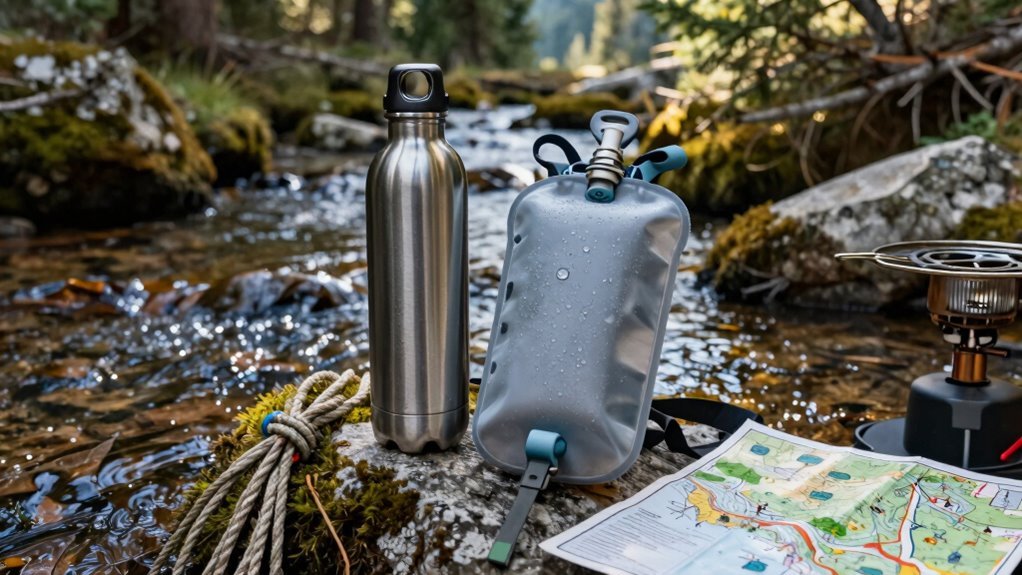
Hydration bladders tuck inside your pack for balanced weight and let you sip hands-free—super handy when you’re mid-stride and don’t want to fumble with bottles.
They’re lightweight, come in 1–3L sizes, and some even use recycled materials.
Rigid bottles like Nalgene won’t quit on you, while collapsible silicone ones squish down when empty, saving space.
Go for a two-bottle setup on your pack’s sides—it’s stable and keeps weight evenly distributed.
Need to refill? Pump, squeeze, or drop in purification tablets, but skip straws for long trips—they bulk up fast.
Secure everything tight so it doesn’t swing like a punching bag.
Clean filters regularly, and never let them freeze.
Stay savvy, stay wet!
Choosing the Right Electrolyte Supplements
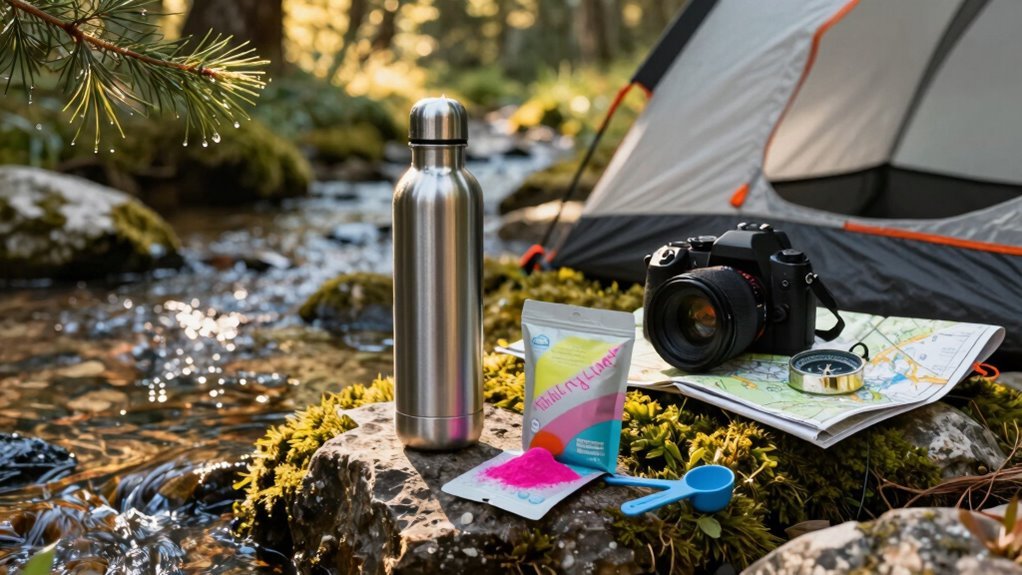
You’ve got your water sorted—hydration bladder slung snug in your pack, bottles clipped and ready—so now let’s talk about what’s actually in that H2O, especially when the sun’s blazing and your shirt’s looking like a salt map of the Sahara.
Plain water won’t cut it when you’re sweating buckets, because chugging too much without electrolytes can lead to hyponatremia—no fun on a trail.
Keep your body balanced with the right supplement, especially on long, hot hikes.
Here’s how to pick:
- Check the label: Aim for 300–500 mg sodium per serving—LMNT packs more, great for heavy sweaters.
- Pick your format: Love fizz? Try Nuun tablets. In a rush? Powder packets like Liquid I.V. mix fast.
- Mind the extras: Some mixes include magnesium or calcium—bonus points for full mineral coverage.
Salt-stained shirts aren’t badges of honor—they’re your body begging for electrolytes!
Hydration Tips for Hiking and Physical Activity
Ever wonder why you feel like a wilted plant halfway up the trail on a scorching day? It’s probably because you didn’t start hydrated. Drink 16–20 ounces of water 2–3 hours before hiking, then another 8–10 ounces 20 minutes prior. Aim for at least a liter before a two-hour trek.
On the trail, sip 3–8 ounces every 15–20 minutes—don’t wait until you’re thirsty! That’s your body waving a white flag.
In heat or altitude, bump your intake to a full liter per hour. Carry enough fluid; most hikers don’t. You can lose up to 60 ounces per hour in extreme heat!
Weigh yourself before and after test hikes to fine-tune your needs. And remember, your pee tells a story—keep it light. Dark urine? You’re playing dehydration roulette.
Sip smart, stay lively, and hike happy!
Foods That Help Maintain Hydration
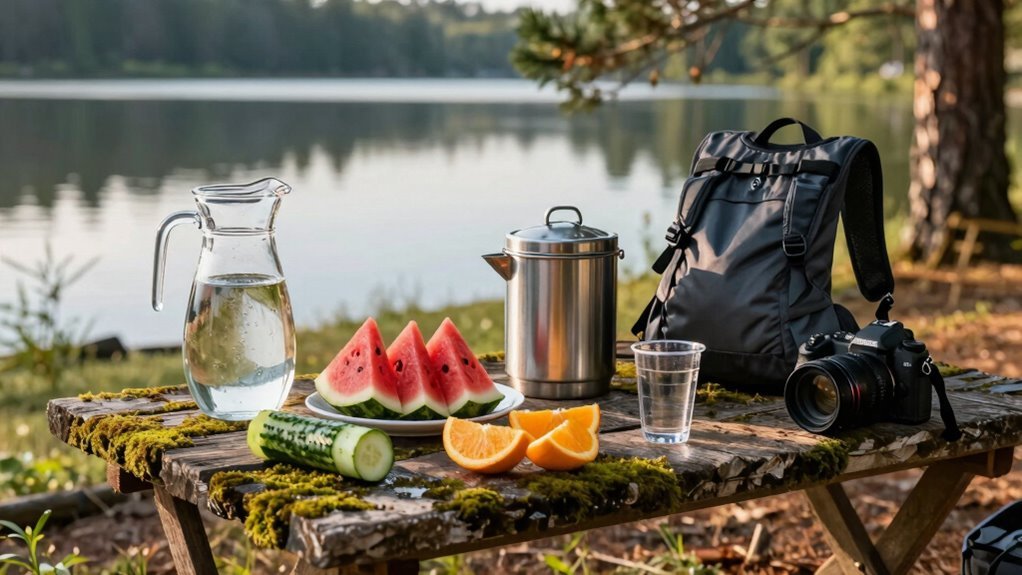
You just crushed the trail with smart sipping, but don’t forget—your pack food can be a secret hydration weapon too.
Load up on munchies that double as moisture boosters and keep you feeling fresh.
Here are 3 top picks to stash in your bag:
- Cucumber slices or grape tomatoes – They’re over 90% water, crunchy, and won’t melt in your pocket.
- Watermelon cubes or plums – Sweet, juicy, and packed with natural electrolytes (just pack ’em early before they warm up).
- Quinoa pesto salad or oatmeal – These rehydrate with moisture from your body and camp stoves, delivering flavor and fluids in one go.
Skip the sad gas station chips.
Go for snacks that fight dry mouth like nature’s Gatorade—because nobody wants to feel like a raisin by mile five.
Preventing Heat-Related Illnesses in the Wild
What’s hotter than a campfire at noon in July?
The rising risk of heat illness when you’re camping without a plan.
You’re not just battling the sun — CDC stats show heat-related deaths average 600 a year, with cases doubling since 2000.
You can beat the heat by staying smart.
Acclimate yourself with gradual exposure — three 90-minute heat sessions over a week cut strain by 20%.
Wear loose, light-colored clothes, drink to thirst (no gulping gallons!), and check the WBGT or heat index before hiking.
You’re safer in shade, especially during midday.
If you’re older, have health issues, or come from a cooler climate, take extra care — your body’s working overtime.
Schedule tough tasks for early morning or dusk, and never ignore warning signs like dizziness or nausea.
Stay cool, stay safe, and let the wild heat stay in the background — not your body.
Frequently Asked Questions
Can I Drink River Water if I Let It Sit First?
No, you can’t drink river water just because you let it sit—those germs don’t take a nap when you do!
Clear water doesn’t mean clean water; nasty bugs like giardia laugh at your settling bucket.
They’ll still cause stomach chaos, no questions asked.
Save the party for the campfire, not your insides.
Instead, boil it, filter it, or use tablets—your gut will thank you with zero regrets.
Play safe, stay smart!
Is It Safe to Swim in Lakes During Hot Weather?
Yes, you can swim in lakes during hot weather, but don’t let the sunny skies fool you—water can still be shockingly cold, even in summer!
Did you know 85% of boating drowning victims weren’t wearing life jackets?
Yikes!
Always wear one, swim with a buddy, and stick to lifeguarded spots.
Check flags and weather, avoid alcohol, and keep an eye on kids.
Stay smart, stay safe, and plunge in with confidence!
How Do I Keep Water Cold Without a Cooler?
You stash your water in a neoprene sleeve and blast it with compressed air—boom, instant chill.
Or nestle it in a Zeer pot setup, where evaporation works its ancient magic.
Wrap it in a damp cloth and let the breeze do the rest.
No cooler? No problem.
You’re basically a survival genius now.
Stay cool, stay hydrated, and maybe don’t challenge the bear to a sip-off.
Should I Avoid Camping at High Altitudes in Summer?
You shouldn’t avoid high-altitude camping in summer—it’s actually a smart move for cooler temps and escaping heat waves.
Just don’t pitch your tent on a summit!
Thunderstorms roll in fast, so hike early and descend if skies rumble.
Yeah, the air’s thinner, but your heart loves the elevation.
Pack layers, watch the weather, and you’ll score epic views with way fewer bugs.
Nature’s air-conditioning? Totally worth it.
Can Pets Drink the Same Water I Do Outdoors?
Yes, your pets can drink the same water you do—if it’s clean and safe, like bottled or filtered water.
Think of it as your picnic basket: if you’re sharing snacks, everything inside should be fresh and wholesome.
You wouldn’t toss them mystery stew from a pond, right?
Stick to your supply, offer it often, and keep their bowl clean—happy pets make the best camping buddies!
Conclusion
You might think drinking only when you’re thirsty is enough, but by then, you’re already behind. Stay ahead by sipping water regularly, especially under that sunny summer sky. Pack smart, snack on juicy fruits, and don’t forget electrolytes—they’re like your body’s secret backup singers. Hydration’s not boring; it’s your trailside superpower. Now go conquer that hike, you sweaty, smiling champion, you!
References
- https://www.who.int/news-room/fact-sheets/detail/climate-change-heat-and-health
- https://wellcome.org/insights/articles/how-does-extreme-heat-affect-health
- https://a816-dohbesp.nyc.gov/IndicatorPublic/data-features/heat-report/
- https://nam.edu/product/extreme-heat-climate-health-hazard/
- https://www.earthdata.nasa.gov/topics/human-dimensions/heat
- https://oehha.ca.gov/climate-change/epic-2022/impacts-human-health/heat-related-deaths-and-illnesses
- https://www.epa.gov/climatechange-science/extreme-heat
- https://wmo.int/media/news/extreme-heat-impacts-millions-of-people
- https://www.cdc.gov/heat-health/about/index.html
- https://www.frontiersafetyandsupply.com/publications/backcountry-dehydration