Why Does My RV Water Smell Like Rotten Eggs?
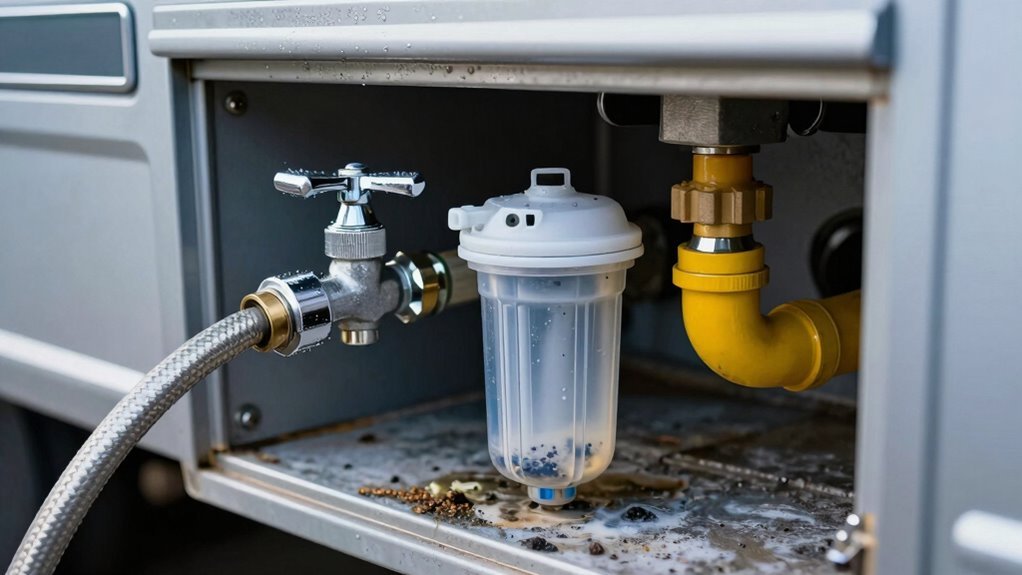
Your RV water smells like rotten eggs due to the presence of bacteria thriving in your water heater. These microorganisms feed on sulfur and produce hydrogen sulfide gas, which creates the unpleasant odor.
Warm, stagnant water combined with a magnesium anode rod provides the perfect environment for this stink-causing reaction. This combination effectively turns your water heater into a smelly breeding ground.
The good news is you can eliminate the odor with a thorough flush using hydrogen peroxide or vinegar. These cleaners help destroy the bacteria responsible for the rotten egg smell.
To prevent future issues, consider replacing or removing the magnesium anode rod. Doing so can significantly reduce the chances of the smell returning.
Keep your RV’s water system clean and regularly maintained. A fresh system means no more smelly water—just safe, odor-free use every time.
Understanding Hydrogen Sulfide in RV Water Systems
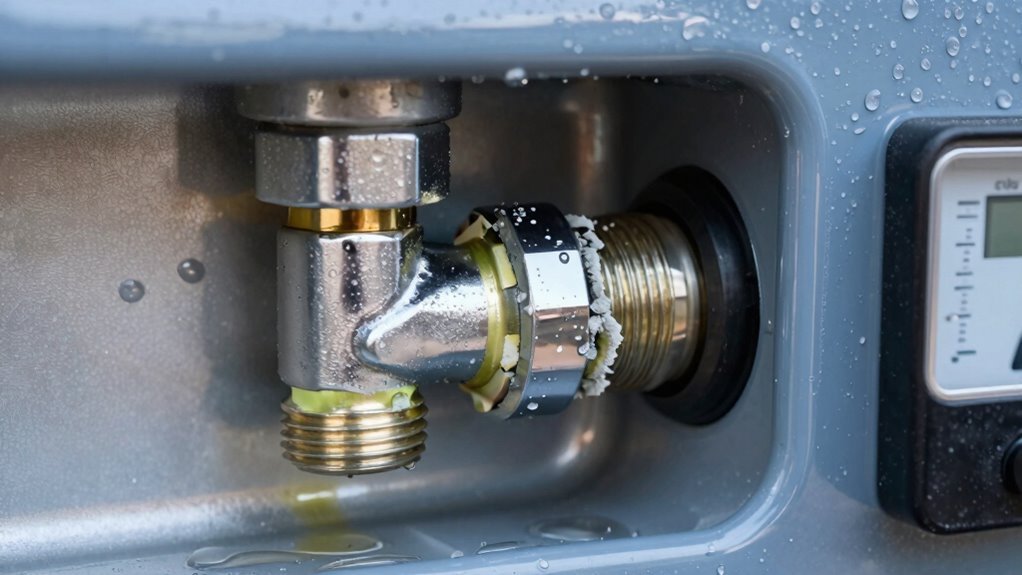
That rotten egg smell wafting from your RV faucet? Yeah, that’s hydrogen sulfide—nature’s not-so-subtle way of saying something’s off. It forms when anaerobic bacteria team up with sulfur in your water and throw a smelly party. These tiny troublemakers thrive in dark, oxygen-free zones like your water tank, especially if the water sits too long.
They chow down on sulfur compounds and—poof—stinky gas. And guess what? Your water heater might be their favorite hangout, though we’ll get into that later.
Magnesium or aluminum anode rods can make things worse by reacting with the bacteria and speeding up the stink show. Even your water’s mineral content plays a role—softened or iron-rich water? You’re practically rolling out the welcome mat.
But don’t panic! Once you know the culprit, you’re already halfway to fresh, odor-free showers.
Replacing aluminum anode rods can significantly reduce the sulfur odor, as corroded rods contribute to hydrogen sulfide production.
The Role of the Water Heater in Odor Development
If your RV’s water heater is the unsung villain behind that rotten egg stink, you’re not imagining things—it’s actually the perfect cozy hideout for odor-causing bacteria. Trapped heat, lingering minerals, and sneaky sediment create a five-star resort for stink bugs (well, microbes, but same energy).
To keep things fresh, here’s what’s really going down in your tank:
- Your anode rod fights rust but can team up with bacteria to create smelly hydrogen sulfide
- Magnesium rods? Super helpful, but a favorite snack for stink-producing bugs
- Gunk builds up over time, giving bacteria a comfy bed to grow in
- Warm, stale water = bacteria’s dream vacation spot—no pool required
- Different water sources bring different minerals, spicing up the stink equation
Flushing with hydrogen peroxide can effectively neutralize the bacteria responsible, and this treatment is most effective when the solution is allowed to sit in the tank for several hours or overnight (hydrogen peroxide treatment).
Stay on top of maintenance, and you’ll kick the funk out for good.
How Bacteria Contribute to the Rotten Egg Smell
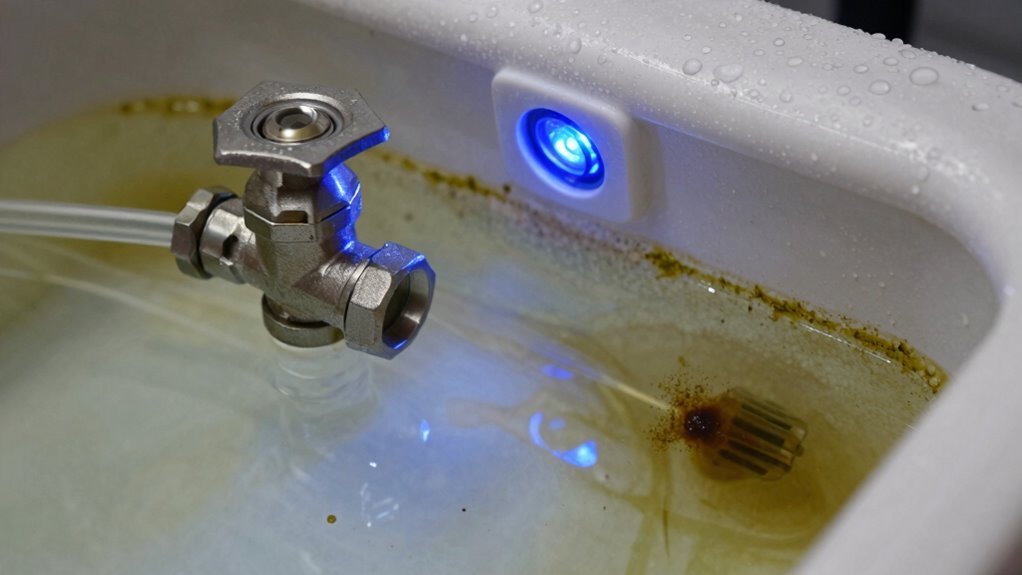
You’ve probably already learned that your water heater plays host to stinky surprises, but the real culprits behind that rotten egg funk aren’t lazy appliances—they’re tiny, invisible troublemakers called bacteria.
These little guys love cozy, low-oxygen spots in your freshwater tank, plumbing lines, or that stagnant corner you forgot existed.
They chow down on sulfates and organic gunk, then—ta-da!—poop out hydrogen sulfide gas, the same stink-bomb behind rotten eggs.
Yuck, right? Campground water can sneak them in, and if you don’t sanitize often, they throw full-on biofilm parties.
They’re harmless to you, thank goodness, but their smell is anything but pleasant.
The gas builds up in cold water, then hits you full force when you fire up the heater.
This often happens due to an interaction between the bacteria and the anode rod in your water heater.
Magnesium Anode Rods and Chemical Reactions
Ever wonder why your RV’s water suddenly smells like a spoiled egg salad left in the sun?
Blame might lie with your magnesium anode rod—yes, that small part quietly protecting your tank.
While it fights corrosion like a champ, it can also spark smelly chemical reactions.
Here’s what you’re up against:
- Magnesium rods pull corrosive junk away from your tank using sneaky electrolysis.
- They’re super reactive—great for soft water but can speed up stinky sulfur smells.
- In low-mineral water, they break down minerals and accidentally create hydrogen sulfide.
- These rods don’t last forever and wear out faster than aluminum or zinc.
- Replacing them yearly keeps your tank safe and your showers smelling way less like a swamp.
Swap in a zinc blend if the stink won’t quit—you’ll still get protection without the funk.
Identifying Sulfur Sources in Your Water Supply
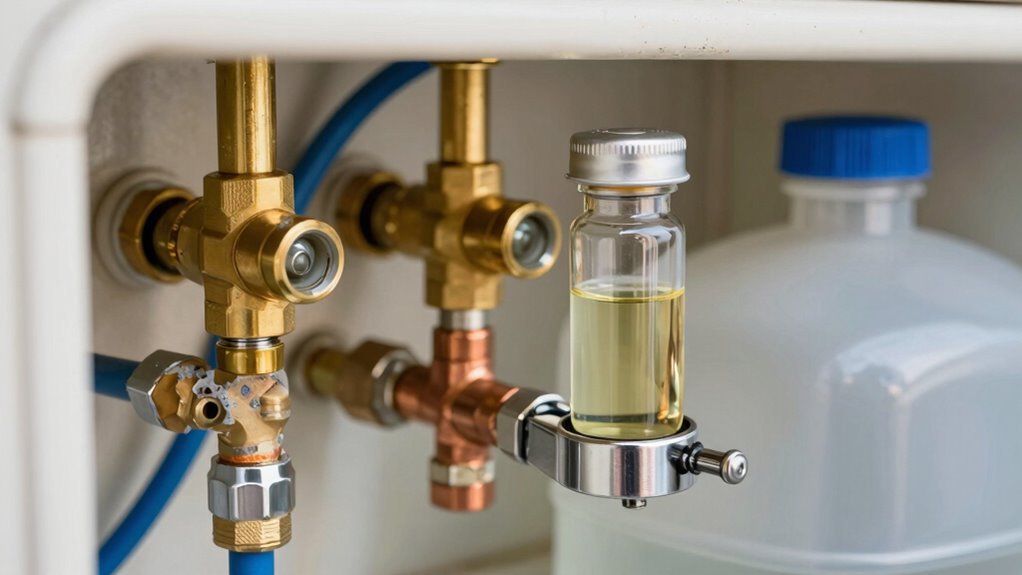
That funky rotten egg stink isn’t just picking on you—it’s got a whole crew of sneaky sulfur sources working behind the scenes, and it’s time to play detective.
If cold water smells, the problem’s likely your source—campground hookups can pump in sulfur-rich water that stinks on arrival.
Hot and cold both reeking? Check the chemistry: reactions between chlorine, sulfur, and system parts might be cooking up that stink.
Your freshwater tank could be a bacterial motel too—microbes love cozy, dark spaces and can linger even after bleaching.
And if the smell bounces back after 10 days, congrats, you’ve got persistent guests.
Try switching to your onboard tank or a filtered supply—sometimes the fix is as simple as bypassing a stinky hookup.
Tell the campground manager, because yes, they should know their water smells like yesterday’s egg salad.
Flushing the Water Heater to Eliminate Odors
Getting down and dirty with your RV’s water heater mightn’t sound like a spa day, but trust us—this deep clean is the VIP treatment your rig has been craving.
Flush out that rotten egg stink for good by tackling gunk head-on.
Here’s how to make it happen:
- Turn off power and let the tank cool, so you don’t get a surprise steam shower.
- Drain the tank using the plug or anode rod, and peek at the gunk—gross but informative.
- Fill it with 3–5 gallons of white vinegar and let it soak overnight (bacteria hate this!).
- Use a flush wand to blast away leftover crud—think of it as a power wash for your heater.
- Rinse thoroughly with fresh water until no vinegar smell lingers.
Once you’re done, you’ll breathe easier—literally.
This simple flush nips odors in the bud and keeps your water tasting and smelling clean.
Do it yearly, and your RV will thank you with fresh, stink-free showers all season long.
Using Chlorine to Sanitize the Plumbing System
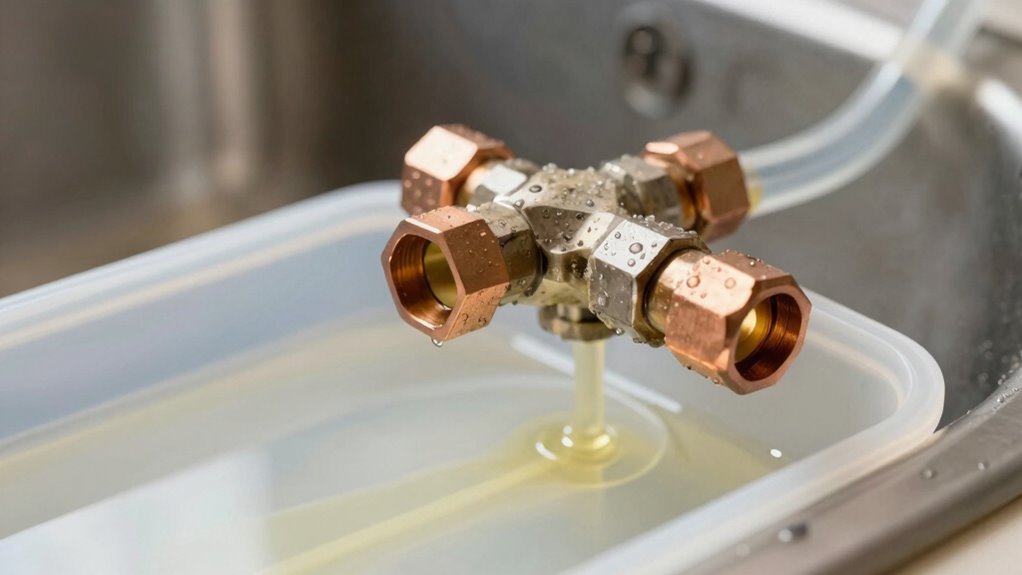
Now that you’ve kicked the gunk out of your water heater with a solid vinegar flush, it’s time to go on offense and zap any lingering bacteria with a chlorine clean—think of it as sending in the cleanup crew with superpowers.
Mix 1/4 cup of bleach per 15 gallons of water (or 1 oz per gallon) in a clean jug, never dumping it straight in.
Pour the solution into your fresh water tank using a funnel, and bypass your water filter so it doesn’t get zapped too.
Turn on the water pump and run every faucet—inside and out—until you smell bleach, both hot and cold.
Let the solution slosh around overnight (at least 4 hours, up to 12) to kill off any smelly intruders.
When you’re ready, drain and flush thoroughly with fresh water twice to kick out any leftover chlorine.
Your system will be fresh, clean, and ready for adventure—no nose-pinching required!
Replacing or Removing the Anode Rod
Swapping out your anode rod can feel like giving your water heater a superhero upgrade—out with the old, in with the fresh protection.
You’re not just stopping rust—you’re banishing that rotten egg smell at the source.
Think of it as a spa day for your RV’s plumbing!
- Magnesium rods work great in soft water but can stink up the place if sulfur’s present
- Aluminum/zinc blends are MVPs for hard or smelly water—no funk, no fuss
- Powered rods, like Corro-Protec, zap corrosion with electricity and never rot away
- Check every 1–2 years—if it’s crumbling or looks like a chewed pencil, swap it
- Know your tank: Suburban steel? Keep the rod. Atwood aluminum? Skip it—no cape needed
Fresh rod, fresh water—say goodbye to egg-city and hello to clean, confidence-boosting showers!
Preventative Maintenance Tips for Fresh-Smelling Water
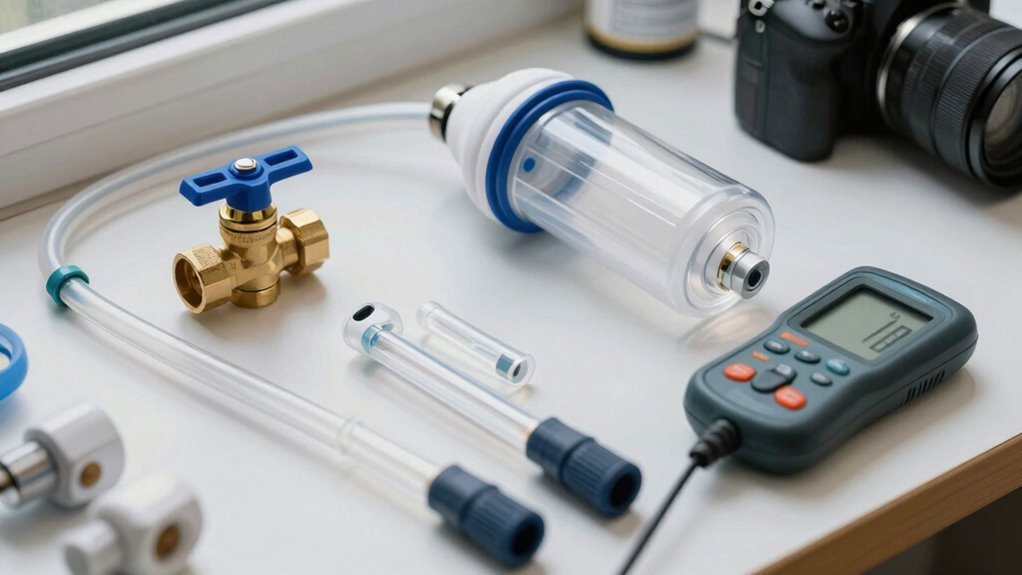
Keeping your RV’s water smelling fresh isn’t just magic—it’s smart upkeep, a little love, and maybe a sprinkle of elbow grease.
You’ve gotta flush your system before and after every trip—stale water’s a stinky party no one invited.
Sanitize that fresh tank yearly (or after long naps in storage) with a bleach solution, then rinse like you mean it.
Use only potable hoses—your water shouldn’t taste like a garden hose BBQ!
Change filters on schedule, wipe vents clean, and keep sensors gunk-free.
Pop in RV-safe toilet paper and tank treatments to keep things moving smoothly.
A water pressure regulator’s your pipes’ BFF.
And hey, toss in vinegar overnight to scrub your water heater—nature’s deodorant.
Follow the manufacturer’s cheat sheet like it’s your RV’s love language.
Do these things, and your water won’t just smell clean—it’ll taste like victory in a cup.
Frequently Asked Questions
Can I Drink RV Water if It Smells Like Rotten Eggs?
Yeah, you can drink your RV water even if it smells like rotten eggs—it won’t hurt you.
The stink’s usually from harmless bacteria or a corroded anode rod, not dangerous stuff.
Think of it as your water doing a bad onion impersonation.
Still, it’s gross, so you’ll want to clean the tank, check the anode rod, and sanitize the system.
Fresh, stink-free water’s worth the effort—your taste buds will thank you!
Will Boiling Water Remove the Rotten Egg Smell?
Nope, boiling won’t zap that stinky rotten egg smell—sorry!
You’re just heating up smelly water, not fixing the sneaky bacteria or gunky parts causing it.
In fact, you might make it worse by releasing more stink into the air.
It’s like yelling at a raccoon in your trash—loud, but not helpful.
Try hydrogen peroxide or vinegar flushes instead; they actually kick the odor out for good!
Can the Smell Come From My Rv’s Freshwater Tank?
Yes, the smell can definitely come from your RV’s freshwater tank.
When water sits too long, bacteria thrive and create stinky hydrogen sulfide gas.
Warm, stagnant conditions are their favorite party spot!
If your tank’s been full and unused, you’ve basically rolled out the welcome mat.
Flush it out, sanitize it, and keep water moving—your nose will thank you!
Is the Rotten Egg Smell Harmful to Pets?
No, the rotten egg smell isn’t likely to hurt your pets—phew!
But if your dog or cat catches a whiff, they might turn up their nose at the water bowl like it’s broccoli.
Low levels of that stinky hydrogen sulfide won’t harm them, though.
Still, if they avoid drinking, swap in fresh water and clean the tank.
A little spa day for your RV’s system keeps everyone happy and hydrated!
Can I Use Bleach to Clean My RV Water Lines?
Yes, you can absolutely use bleach to clean your RV water lines—it’s like sending a superhero squad to wipe out gross gunk and bacteria!
Just mix a quarter cup of bleach per 15 gallons of water, run it through the whole system, let it soak overnight, then flush it out thoroughly.
It’s easy, effective, and leaves your water tasting fresh—no more mystery swill!
Conclusion
So, tired of your RV water smelling like a science experiment gone wrong? You’ve flushed, sanitized, and maybe even argued with your water heater. But hey, isn’t fresh, clean water worth the effort? With a few quick fixes—like swapping that anode rod or shocking the system—your taps can smell like a mountain spring again. Think of it as spa day for your plumbing! Stay proactive, and you’ll savor every sip, shower, and toothbrush rinse—no gas mask required.
References
- https://www.corroprotec.com/blog/rv-water-smells-like-rotten-eggs/
- https://kleentank.com/oh-that-smell/
- https://corralsales.com/banishing-the-rotten-egg-smell-from-your-rv-water-system/
- https://community.goodsam.com/discussions/rvtipstricks/rv-sulfur-smell/3561912
- https://www.truckcampermagazine.com/maintenance/how-to-get-rid-of-your-rv-water-heaters-rotten-egg-smell/
- https://www.youtube.com/watch?v=CwhyHdXFrSk
- https://www.cruiseamerica.com/trip-inspiration/rv-water-smells-like-rotten-eggs
- https://www.youtube.com/watch?v=pdOZqXo9Tp8
- https://community.goodsam.com/discussions/traveltrailerforum-board/rotten-egg-smell-in-water-/592341
- https://www.waterconnection.com/anode-rod-rv-water-heater/