Do You Need Sway Control for Your Trailer?
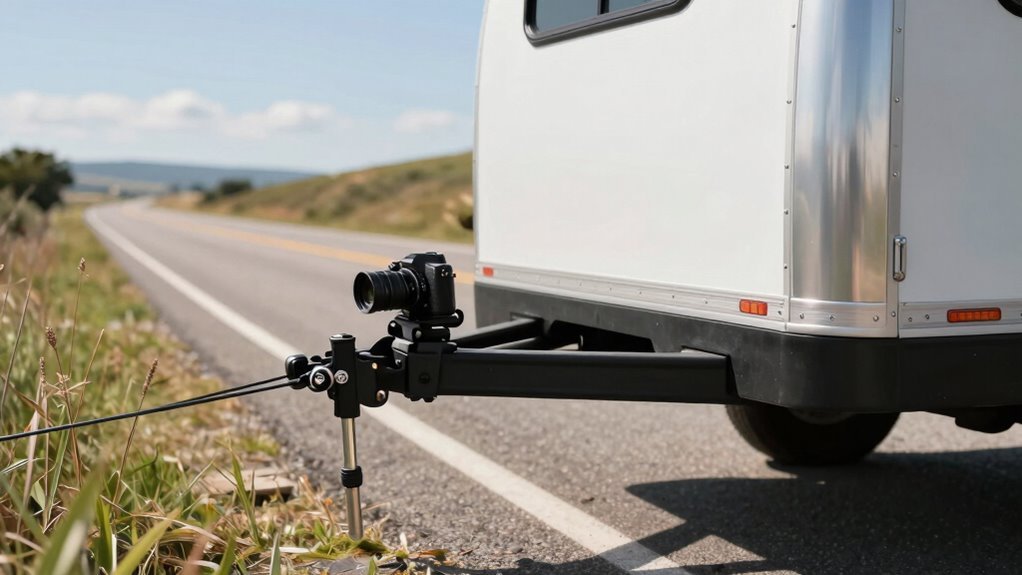
You’re towing your trailer down the highway when a gust of wind hits—suddenly, you’re wrestling with a wobbly back end. Sway control keeps things calm by reducing side-to-side trailer movement, especially if you’re hauling heavy, driving fast, or battling crosswinds.
Think of sway control as a co-pilot for your hitch, smoothing out wobbles before they turn into white-knuckle drama. It’s a critical feature for stability and safety on the road.
Without proper load balance or in milder conditions, you *might* skip it—but why gamble? Smart hitches, smarter rides. There’s more to love about staying steady on the move.
Understanding Trailer Sway and Its Causes
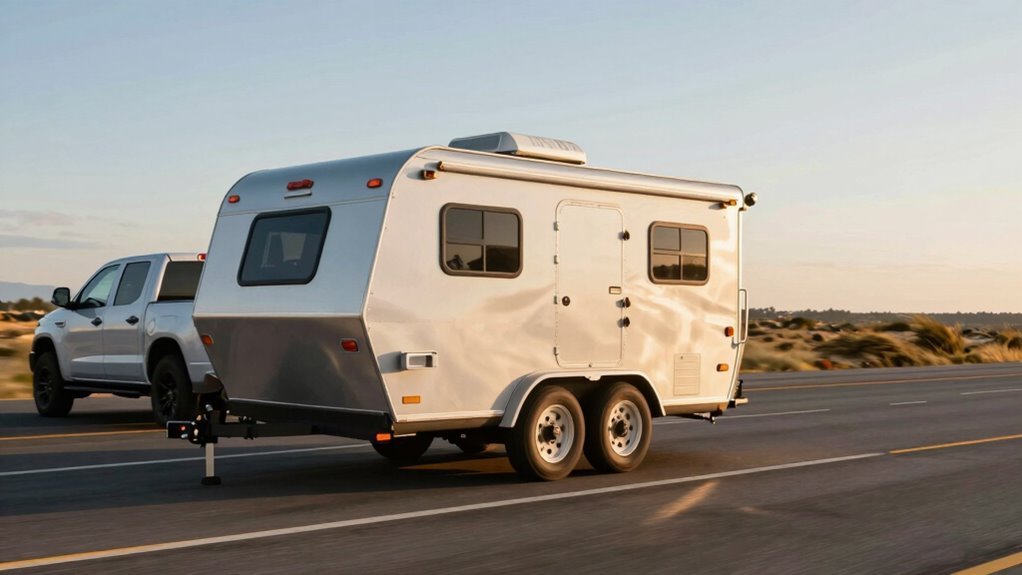
Feeling like your trailer has a mind of its own?
You’re not imagining it—trailer sway is real, and it’s often your cargo playing tricks on you.
If your load’s too far back or top-heavy, it sways like a pendulum, making your tow vehicle struggle for control.
Even empty trailers can wobble dangerously—they’re light, twitchy, and hate crosswinds.
And speaking of winds, gusts can hit like a surprise shove from a playful giant.
Speed makes everything worse—what’s stable at 55 mph might shimmy at 65.
Sharp turns or sudden braking? Big no-no.
They trigger wobbles fast.
And don’t forget tires: underinflated ones flex too much, like wobbly jelly, while mismatched or bald tires lose grip when you need it most.
Even road dips or passing trucks can start the chaos.
But hey, it’s not magic—it’s physics, and you’ve totally got this.
Center of mass too far rearward shifts weight off the drive axles, reducing traction and amplifying sway risk.
How Sway Control Systems Work
Trailer sway might feel like your rig’s playing bumper cars with the wind, but you’ve got tools to keep things calm and under control.
You hook a hitch-mounted ball to your vehicle’s hitch tab, then bolt a trailer ball to the frame—simple.
Slide the textured bar over both balls, snap the clips, and you’re in business.
Flip the on/off handle to engage tension, and the friction pads inside fight side-to-side motion like brakes on a hill.
Need more stability? Just tighten the torsion screw for extra resistance.
These systems react the moment your trailer starts weaving, using adjustable tension and smart design to dampen wobbles fast.
Some even mimic a fifth wheel’s pivot point, giving you smoother steering and less drama on the road.
It’s like giving your trailer a seatbelt for wiggles—secure, simple, and seriously smart.
The system can be easily disengaged when backing up to avoid jackknife situations.
Factors That Determine the Need for Sway Control
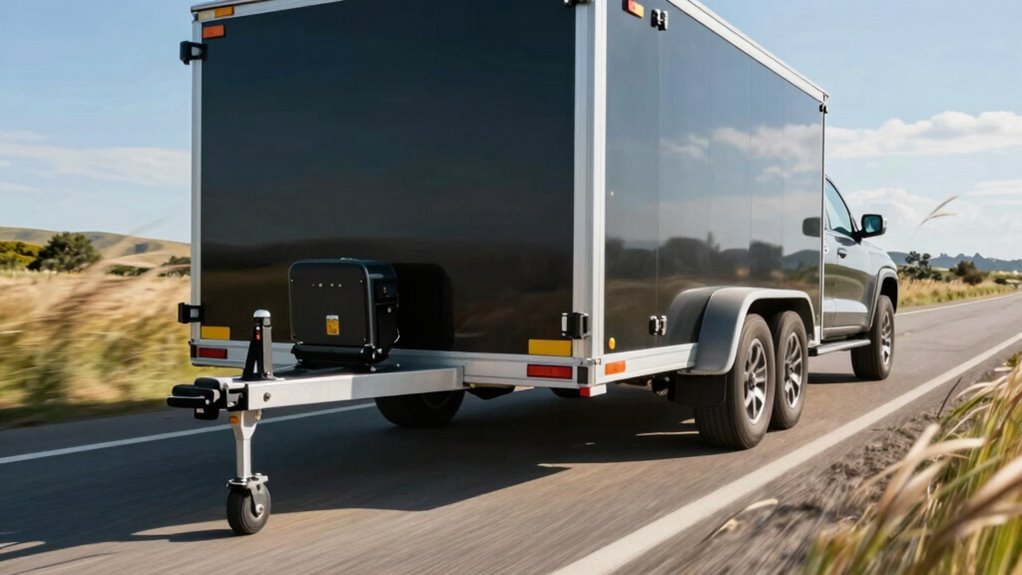
Ever wonder why your trailer suddenly starts dancing sideways when a big rig zooms past? That’s sway kicking in, and your setup might need sway control if it’s long—those extra feet catch more wind and wobble easier.
If your tongue weight isn’t 10–15% of the trailer’s total weight, you’re riding the sway rollercoaster.
Towing a trailer heavier than half your vehicle’s weight? Yeah, that’s a sway invite.
Crosswinds, rough roads, and passing trucks all team up to shake things up.
Overloading, bad balance, or speeding? That’s like throwing gas on the sway fire.
Even low tire pressure can turn a smooth ride into a fishtail fiasco.
But don’t sweat it—spotting these signs early means you can stay safe, steady, and in control.
Think of sway control as your trailer’s dance coach: keeps things smooth, not wild.
Electronic sway control systems detect unwanted movement and automatically apply trailer brakes to stabilize the rig.
Types of Sway Control Available for Trailers
What if you could stop trailer sway before it turns your road trip into a rollercoaster ride?
Good news—you can!
Friction bar systems are budget-friendly and kick in after sway starts, using pads like those in car brakes to steady things.
Two-point sway controls work with your hitch and use friction or springs to keep trailer wobbles in check.
Step it up with 4-point systems—four friction points mean tighter control and smoother highways.
If you love tech, electronic sway control senses movement and quietly hits the trailer brakes to correct sway, sometimes even via an app!
But for true peace of mind, go with dual-cam sway control: it locks everything firm, stops sway before it starts, and still lets you corner safely.
It’s like giving your trailer training wheels—only way cooler!
When Sway Control Might Not Be Necessary
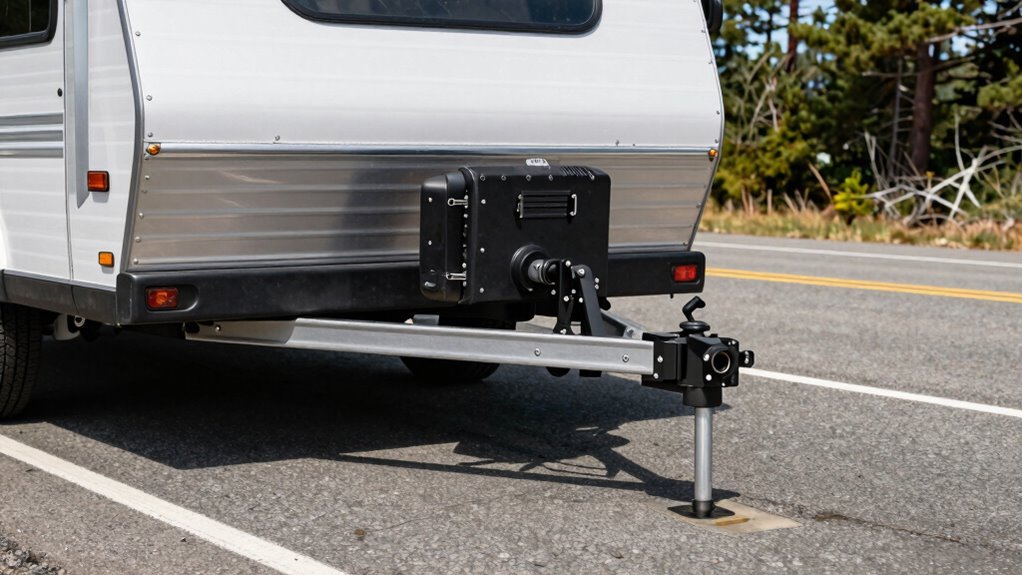
While your trailer mightn’t come with a mind of its own, it definitely acts up when things are out of whack—luckily, you don’t always need fancy gear to keep it in line.
If you’re towing something light, short, and well-packed, sway control might just be overkill.
Keep your load balanced, with heavy stuff near the axles and tongue weight between 10–15%, and your rig will track smoothly.
On dry roads with no gusty winds or 18-wheelers flying by, there’s even less reason to worry.
If your tow vehicle isn’t sagging, your tires are aired right, and you’re driving like a sane human—under 45 mph, smooth steering, no jerky moves—your trailer won’t stand a chance to wobble.
With the right setup and sensible habits, you can skip the extra hardware and still ride like a pro.
Who knew stability could be this easy?
Safety Benefits of Using Sway Control While Towing
When your trailer starts dancing like it’s got the hiccups, you’ll wish you’d tapped into the magic of sway control sooner.
It’s your first line of defense against wobbles that can spiral into scary swerves.
With sway control, you’re not just smoothing out bumps—you’re stopping accidents before they start.
Sudden gusts, passing trucks, or a quick steering tweak won’t send your trailer into a frenzy.
You’ll keep control, brake with confidence, and steer like you’re gliding.
It’s like giving your rig training wheels built for highways.
Jackknifing? Tip-overs? Much less likely.
Even your tires and suspension will thank you—less wear, more cheer.
On hills, in wind, or on shaky roads, you’ll stay steady.
And hey, manufacturers love it too—safer towing means higher weight limits and full warranty support.
Drive smarter, not harder.
Frequently Asked Questions
How Much Does a Sway Control System Cost on Average?
You’re looking at around $50 to $75 for basic friction sway control kits, like the CURT or HAUL-MASTER ones—great for small trailers and light budgets.
If you’re hauling bigger, though, dual cam or electronic systems run $300 to $500.
Fancy an all-in-one? Weight distribution hitches with built-in sway control go up to $700.
Hey, nobody likes a wiggly trailer—spending a bit more could save your bacon (or at least your weekend trip)!
Can I Install Sway Control Myself or Need a Professional?
You can definitely install sway control yourself—no pro needed, unless you’re allergic to power tools or really hate fun.
Think of it like solving a puzzle where every piece tames wild trailer wobbles.
Grab your ratchet, drill some pilot holes, bolt on the parts, and bam: smooth rides await.
It’s straightforward, a little greasy, and oddly satisfying, like adult LEGO for road warriors.
Does Sway Control Work on All Trailer Sizes and Weights?
Yeah, sway control works on all trailer sizes and weights, but not all systems work equally well.
Friction hitches might struggle with heavier trailers, especially in wind or at highway speeds.
You’ll love how advanced hitch systems, like Equal-i-zer or Hensley Arrow, smooth out the ride—whether you’re hauling a small camper or a big toy hauler.
They handle sway like pros, so you stay safe, steady, and smiling.
Are There Any Maintenance Requirements for Sway Control Systems?
Yep, your sway control needs a little TLC—think of it like a knight’s armor, gotta keep it shiny and strong!
You check it regularly, right?
Look for cracks, rust, or wobbling parts, and snug those bolts down.
Clean and lube it after muddy adventures.
If it’s looking tired or damaged, replace it—don’t wait for drama on the highway.
A happy sway system means a happy, wobble-free ride!
Will Sway Control Affect My Vehicle’s Fuel Efficiency?
Nope, sway control won’t hurt your fuel efficiency—it actually helps!
You keep your trailer stable, cut down on wobbles, and slice through the wind smoothly.
Less drag means your engine doesn’t have to work as hard, so you save gas.
Think of it like cruise control for your trailer’s motion.
Smooth sailing equals happy mileage, and who doesn’t love a cheaper fuel stop?
Conclusion
You keep your trailer steady, your nerves calm, and your trips safe. Sway control helps you drive with confidence, peace of mind, and a smile on your face. Whether you’re hauling gear, chasing campfires, or road-tripping with pets in tow, the right setup makes all the difference. Don’t let wobbles ruin your getaways—stay stable, stay smart, and keep the adventure rolling smoothly down the open road.
References
- https://www.contractleasing.net/what-causes-trailer-sway/
- https://timbren.com/blogs/blog/ultimate-guide-to-reducing-trailer-sway
- https://blog.nationwide.com/family-life/travel-outdoors/rv-towing-tips-for-preventing-trailer-sway/
- https://www.trailertek.com/blog/post/trailer-sway-cause-avoidance
- https://www.theautopian.com/heres-the-physics-behind-tongue-weight-and-why-some-trailers-sway-out-of-control/
- https://www.cushcorp.com/blog/why-does-my-trailer-sway-when-it-s-empty
- https://blog.propridehitch.com/rv-sway-on-highway
- https://www.youtube.com/watch?v=vHVa3kbe-Q0
- https://www.lippert.com/blog/how-to-install-sway-control
- https://blog.propridehitch.com/trailer-sway-control-system-benefits