How to Handle Trailer Sway on the Road
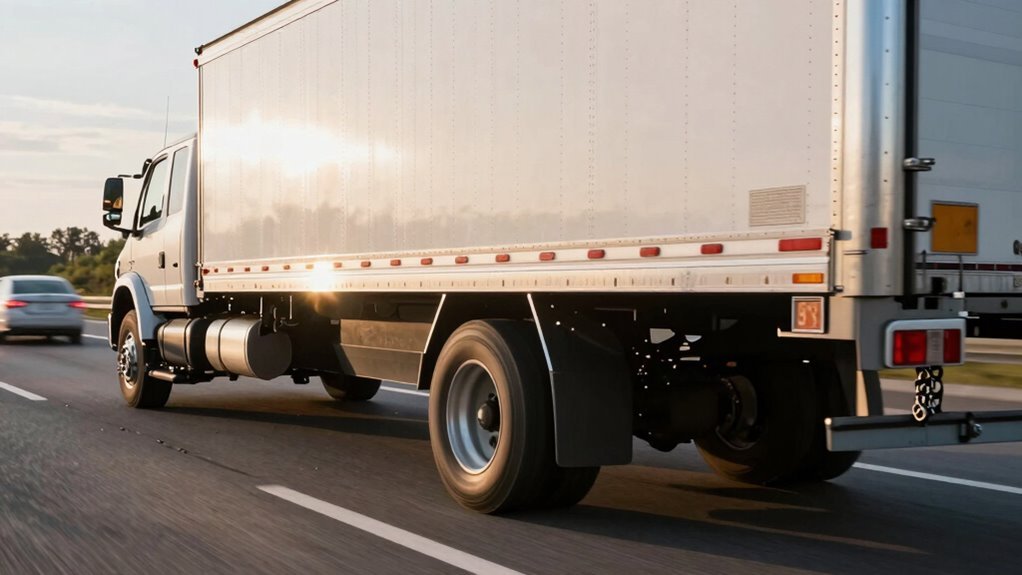
You feel the trailer start to sway, but don’t panic—trailer sway is manageable with the right response. Ease off the gas and keep your steering steady to regain control smoothly.
Let your speed decrease naturally without slamming the brakes or making sharp steering moves. Sudden actions can worsen trailer sway, so staying calm is crucial.
If your trailer has a sway control system, apply the trailer brakes with a light touch. Think of handling trailer sway like dancing with the road, not fighting against it—you’ve got this.
Understanding the Causes of Trailer Sway
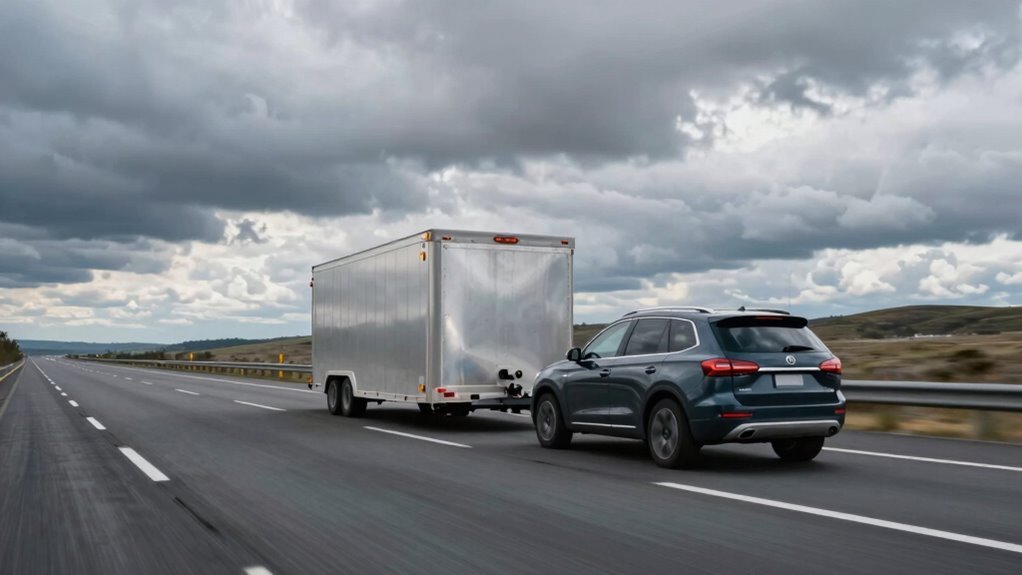
While you’re cruising down the highway dreaming of your next adventure, the last thing you want is your trailer starting a dance of its own—and trust us, trailer sway isn’t the kind of groove you can just laugh off.
You load your gear, hit the road, but if that weight piles up in the back or rides too high, you’re basically building a seesaw on wheels.
Too much rear weight kills tongue pressure, and boom—pendulum party.
Top-heavy? Now wind or a sharp turn sends it swaying like a hula dancer.
And don’t even get us started on underinflated tires or mismatched rubber—those wobbly sidewalls can’t fight side forces worth a darn.
Speed it up, and small wiggles go wild fast.
Crosswinds? They treat your trailer like a sail.
Messy roads or curves just add fuel.
Center of mass too far rearward creates a dangerous pendulum effect that amplifies sway instability.
Get the load right, slow down, and keep tires tight—your trailer will behave, promise.
Recognizing the Warning Signs Early
Feeling a little tug here and a wiggle there? That’s your cue something’s up.
If your steering wheel starts chatting with subtle back-and-forth tugs, pay attention—it’s not just daydreaming.
You might notice you’re constantly adjusting, like you’re whispering, “Stay straight, stay straight.”
And if your trailer’s doing the sassy side-to-side in the mirror while you’re trying to stay calm, that’s a red flag waving hello.
Other cars giving you extra room? They’re not being polite—they’re warning you.
Watch for flashes on your dash like “TRAILER SWAY” or a winking stability light.
Even crosswinds or big rigs pushing you around can wake the sway beast.
Don’t shrug it off—those little shimmies grow up to be big, scary wobbles.
Catch it early, and you’ll stay the boss of the road, not your trailer.
Promise, it’s way less drama that way.
Improper loading can trigger instability, so always ensure tongue weight 10-15% is properly maintained for balanced control.
What to Do When Sway Begins
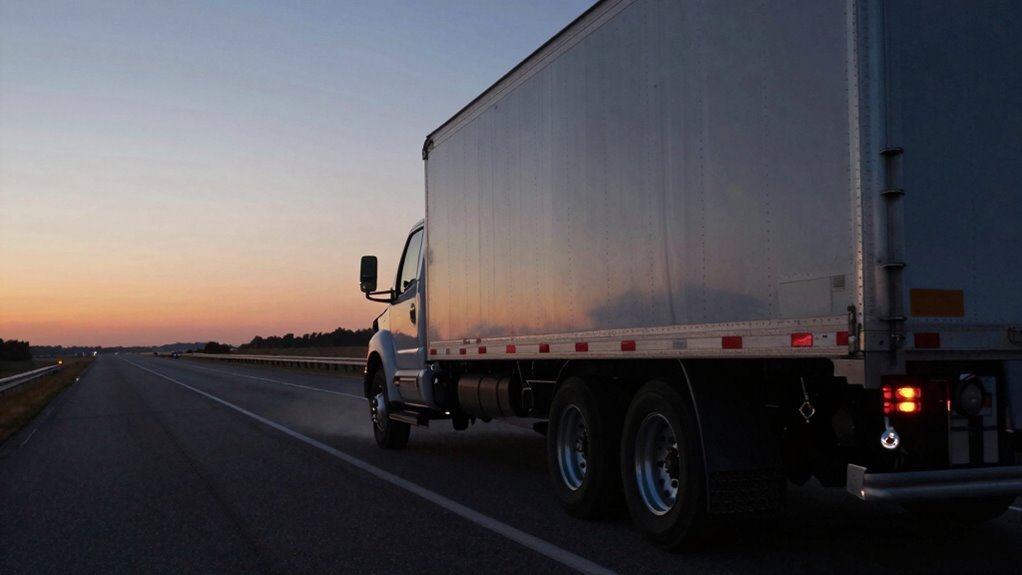
You’ve spotted the warning signs—your trailer’s doing the jitterbug in your mirror, and the steering wheel’s tapping out Morse code.
First, ease off the gas and let your speed drop naturally—don’t slam the brakes!
Sudden moves make things wobbly, fast.
Keep your hands firm on the wheel, but don’t yank it; steer steady and smooth, like you’re guiding a sleeping toddler through a minefield.
Once you’ve slowed a bit, gently tap the trailer brakes with your controller—think “nudge,” not “shove.”
If you’ve got sway control, let those friction bars or fancy ProPride hitch work their magic.
On flat or uphill ground, a *tiny* speed boost might help steady the tongue, but never when going downhill.
Stay calm, stay smooth, and remember: you’re not fighting the sway—you’re outsmarting it, one chill move at a time.
For added safety in all conditions, consider upgrading to a SwayPro weight distribution hitch.
Common Mistakes to Avoid During Sway
Ever swerve just a little too hard trying to dodge a pothole, only to feel your trailer start dancing like it’s got a mind of its own?
Don’t panic—just don’t overcorrect.
Yanking the wheel or slamming the brakes makes things worse, fast.
Sudden moves turn a wobble into a wild sway show nobody wants to star in.
And whatever you do, don’t speed up—your trailer isn’t into thrill rides.
Keep hands steady, stay calm, and ease off the gas instead.
Jerking around only feeds the chaos, especially when big trucks whip past or side winds sneak up.
Reacting like a startled squirrel won’t help.
Smooth moves win every time.
Remember, your trailer’s just tagging along—it needs you to stay cool, not flip out.
Breathe, focus, and avoid the common flails.
You’ve got this.
The Role of Proper Trailer Weight Distribution
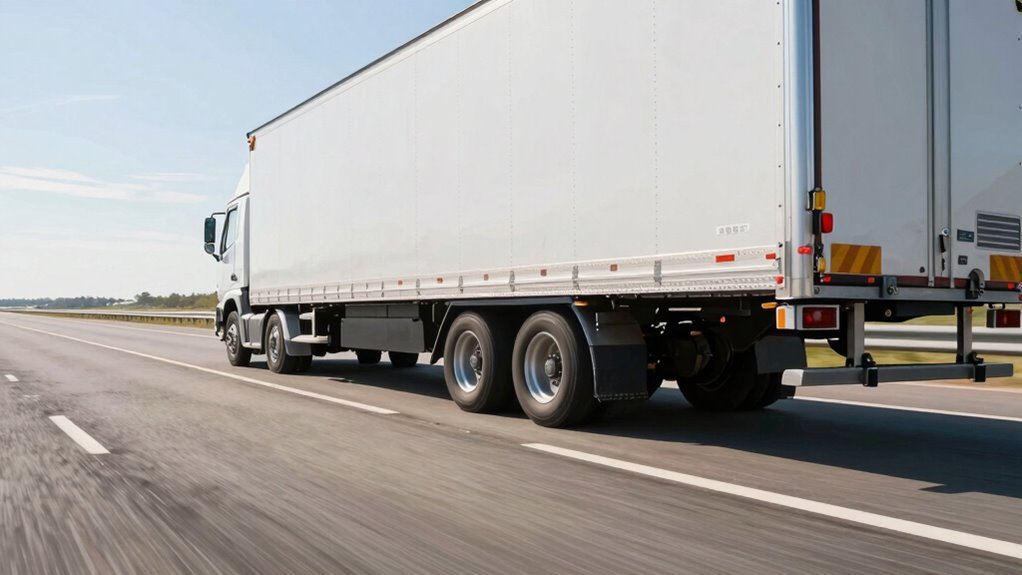
When your trailer’s weight is balanced just right, the road ahead feels smoother, safer, and a lot more fun—like you and your rig are in perfect sync. Get that tongue weight between 10–15%, and you’re golden.
Too light? Your tow vehicle’s front end lifts like it’s waving goodbye. Too heavy? Your rear sags like a tired backpack. Aim for 350–550 pounds and keep things level.
Load 60% up front, distribute evenly side to side, and don’t forget to check ride height after hooking up.
- Position most cargo toward the front half of the trailer
- Use a weight-distribution hitch to spread load across axles
- Adjust spring bars so your vehicle sits level, not tipped
- Make sure tongue weight hits the 10–15% sweet spot
How Sway Control Devices Improve Safety
What if you could stop trailer sway before it turns your road trip into a white-knuckle ride? You can—and it’s easier than wrestling a wobbly shopping cart!
Sway control devices like friction hitches, weight distribution systems, and electronic helpers fight side-to-side wobble so you stay in charge.
They boost control during turns, braking, and highway zooms, especially when wind or truck drafts try to ruin your groove.
Devices like the Hensley Arrow stop sway before it starts—no drama, just smooth sailing.
Others use smart tech to tap your trailer brakes the second wobble kicks in.
They’re lifesavers for heavy trailers, cutting stress, fatigue, and panic swerves.
Just make sure your hitch weight hits 10–15% for best results.
With the right setup, you’ll laugh at gusts and laugh louder all the way to your campsite.
Safety? It’s not just better—it’s *built in*.
Adjusting Driving Habits for Windy Conditions
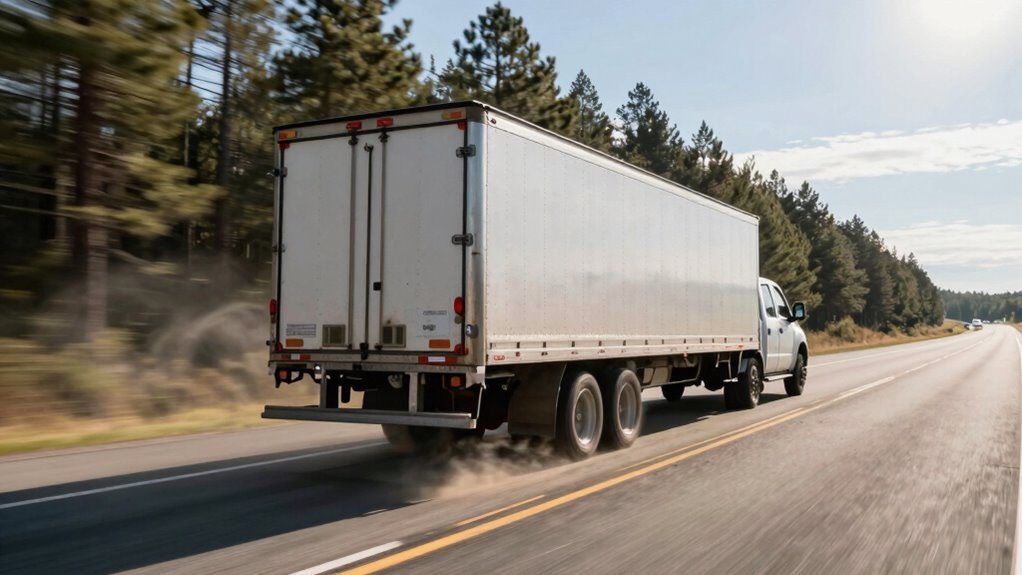
How does a breeze turn your trailer into a sailboat?
When wind hits the side of your trailer, it can push like ocean waves on a hull—especially if you’re moving too fast or driving a big rig.
You’ve got control, though, with a few smart tweaks to how you drive.
- Slow down in gusts or crosswinds—lower speed keeps your trailer stable and reduces sway risk.
- Keep a firm but calm grip on the wheel—smooth steering beats sudden jerks every time.
- Increase following distance—extra space gives you room to adjust when winds shove you around.
- Ease off the gas instead of braking hard—gentle deceleration keeps your trailer from fishtailing.
Think of it as dancing with the wind, not fighting it.
You’re not just driving—you’re balancing, reacting, and staying one step ahead.
With these habits, you’ll glide through windy days like a pro, not a panic button.
Pre-Trip Checks to Prevent Sway
You’ve got the wind at your back—or more accurately, sometimes right up your trailer’s side—and while dancing with gusts is part of the adventure, you don’t want your rig doing the salsa unexpectedly.
Start with tires: check tread, inflate right when cold, and recheck at stops—underinflated tires wobble and worsen sway.
Test brakes on both trailer and tow vehicle, then inspect hitch connections like a hawk—latch it tight, grease the ball, and scan suspension parts.
Load smart: keep 60% of weight forward, 10–12% on the tongue, and balance side-to-side.
Secure everything—shifting cargo turns your trailer into a pendulum. Use scales if you can; guesswork’s a gamble.
Finally, fire up your sway control—friction bars or dual systems help big time, especially in crosswinds.
A quick walk-around seals the deal.
Done right, you’re not just ready—you’re road rock solid.
Frequently Asked Questions
Can Trailer Sway Damage My Vehicle Over Time?
Yes, trailer sway can definitely damage your vehicle over time.
You’re stressing the frame, wearing out tires and suspension faster, and even risking engine or transmission trouble.
That hitch takes a serious beating too.
Think of it like shaking your car sideways every few seconds—ouch!
Keep it under control, and your rig will stay happy and healthy on the road.
Is It Safe to Drive With Sway on Highways?
Nope, it’s not safe to drive with sway on highways—you’re playing with fire.
The faster you go, the wilder it gets, and before you know it, you’re in over your head.
Slow down right away, grip the wheel steady, and don’t jerk the controls.
Let the trailer settle, stay calm, and get things balanced.
Your rig’ll thank you, and so will the folks in the lane next to you—nobody wants a trailer tango at 50 mph!
Do I Need Special Training to Manage Trailer Sway?
Nope, you don’t need special training to handle trailer sway—just common sense and a little practice.
You’ve got this!
Focus on smooth moves, not jerky twists, and keep your speed steady.
Load smart with weight up front, check your tires, and use your trailer brake.
A dash of confidence, a pinch of caution, and you’ll ride like a pro—sway?
What sway?
Can Tire Pressure Affect Trailer Sway Significantly?
Oh, absolutely, tire pressure can make or break your haul—like driving on spaghetti if you neglect it!
You keep underinflated tires, and they’ll wobble like jelly, inviting sway with open arms.
Overinflate? They’ll bounce around like basketballs, losing grip fast.
You match pressure to load, keep it even, and boom—smooth, steady rides.
Don’t let your tires talk back; give ’em the air they deserve!
Should I Replace Old Hitch Components Preventatively?
Yeah, you should replace old hitch components preventatively—better safe than sorry!
Think of it like changing socks before they get holes; nobody wants a nasty surprise.
Rust, cracks, or wobbly parts? Swap ’em out.
Fresh parts keep your trailer steady, happy, and quiet.
Plus, you’ll tow with confidence, not cross your fingers.
Stay proactive, and your hitch will thank you—probably with fewer squeaks and zero drama on the highway.
Conclusion
You’re the compass on a wavy sea, steady even when the road wobbles. Trailer sway might dance behind you, but now you’ve got rhythm—checks, gear, and know-how in your pocket. Think of your hitch as a dance partner, not a bull in a china shop. Stay sharp, laugh at the wiggles, and cruise on, captain. Smooth roads ahead, always.
References
- https://www.contractleasing.net/what-causes-trailer-sway/
- https://hensleymfg.com/blogs/tow-safe-articles/6-causes-of-trailer-sway-and-how-to-prevent-it
- https://www.mcgowanhood.com/2024/09/03/truck-sway-accidents/
- https://www.trailertek.com/blog/post/trailer-sway-cause-avoidance
- https://trailervalet.com/blogs/trailer-valet/how-to-avoid-trailer-sway
- https://www.weigh-safe.com/towing-safety/why-a-trailer-excessively-bounces-or-porpoises-the-importance-of-proper-tongue-weight-balance/
- https://scholars.csus.edu/esploro/outputs/graduate/Tiny-house-trailer-dynamics-analysis-of/99257831348701671
- https://blog.propridehitch.com/trailer-sway-control-how-it-works-and-why-it-matters
- https://www.zorestowing.com/blog/trailer-sway-control-tips-for-a-safer-towing-experience/
- https://blog.propridehitch.com/understanding-trailer-sway-and-how-you-can-stop-it?hs_amp=true