RV Tire Maintenance: What You Need to Do
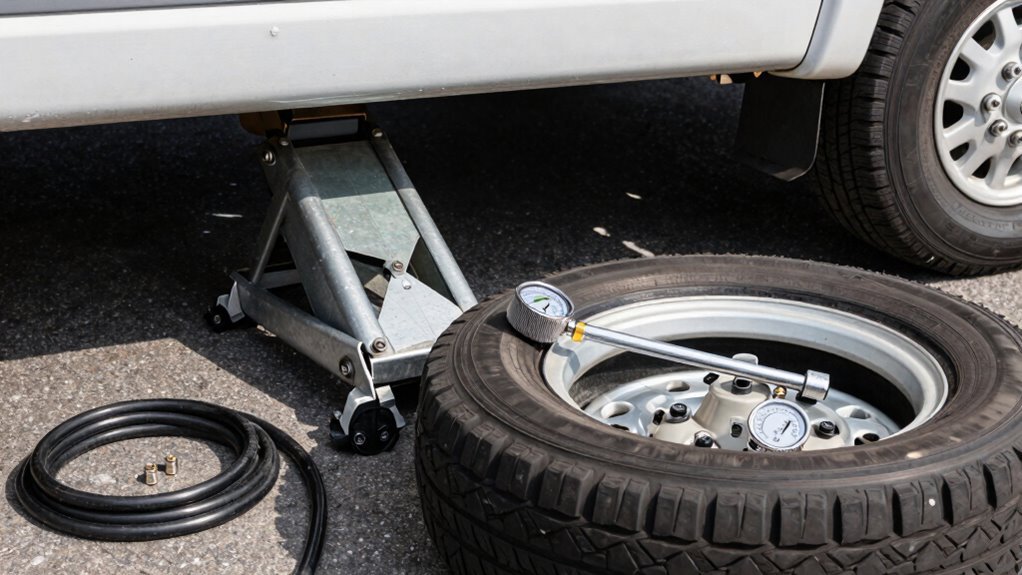
Check your RV tire pressure monthly—it’s easy with a gauge, and always do it when tires are cold. Proper inflation is a key part of RV tire maintenance and helps prevent premature wear and blowouts.
Inspect the tread for signs of wear and clean tires regularly with mild soap to remove dirt and contaminants. Shield tires from harsh sunlight using UV-resistant covers to protect them from cracking and degradation.
Rotate your RV tires every 6,000 to 8,000 miles to ensure even wear and longer tire life. Always match the inflation pressure to your specific load for optimal performance and safety.
Store tires properly when the RV is not in use, keeping them cool, dry, and away from direct sunlight. Replace your RV tires every six years, regardless of tread depth, as aging can compromise safety and durability.
Check Tire Pressure Monthly
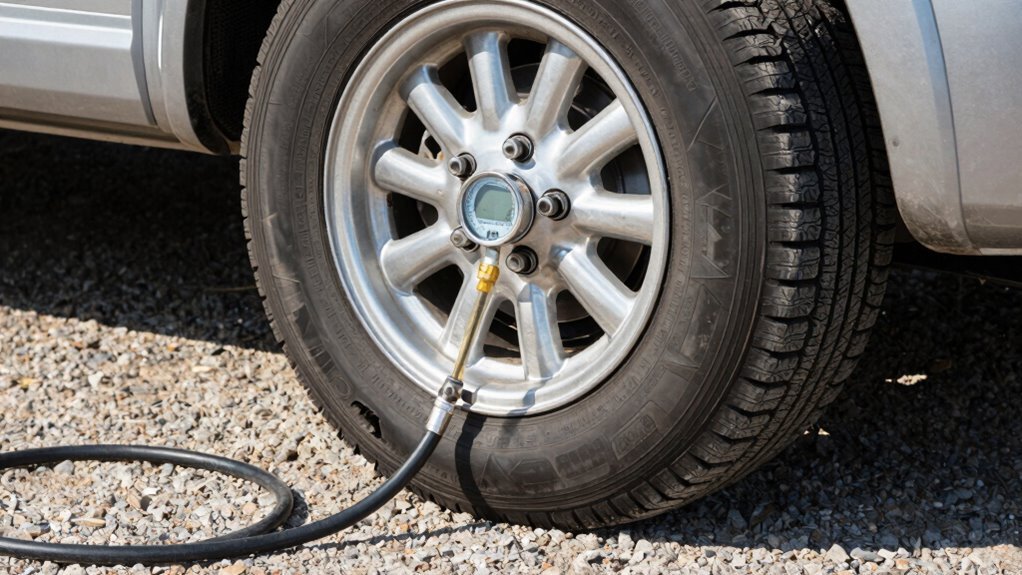
Grab your tire gauge and let’s keep those rubber meets the road in top shape—checking your RV’s tire pressure monthly isn’t just smart, it’s kind of a big deal.
You lose about 1 PSI every month naturally, and that sneaky drop can mess with load capacity and fuel efficiency.
Always check when tires are cold—meaning before driving or after three hours—and don’t forget to record each reading.
Temperature swings? Yeah, they pack a punch: 10°F changes pressure by 1 PSI.
Load up for a trip? Bump the pressure accordingly.
Skip the guesswork—use your owner’s manual or the sticker by the driver’s door.
And hey, TPMS sensors are your new best friend; install them one tire at a time and stay alert.
Proper pressure means safer rides, longer tire life, and hey, free fuel savings—up to two weeks’ worth a year.
Incorrect pressure increases the risk of blowouts, so maintaining proper tire inflation is essential for safety on the road.
Now that’s what we call rolling smart!
Inspect for Tread Wear and Damage
Now that you’ve got your tire pressure dialed in like a pro, it’s time to turn your attention to what your tires are actually showing—
because your RV’s rubber can tell you when it’s tired (pun totally intended). Here’s how to stay on top of tread wear and damage:
- Check tread depth with a gauge or the penny test—insert it upside down; if Lincoln’s head is visible, it’s time to replace the tire.
- Look for uneven wear—center wear means overinflation, edge wear signals underinflation, and feathering or one-sided wear hints at alignment issues.
- Scan for embedded objects like nails or rocks in the tread, and inspect sidewalls for cracks or bulges that scream “I’m stressed!”
- Verify tire age using the DOT number—replace tires by six years, no matter how they look. Safety first, always!
Tires should be replaced after 10 years even if they appear usable, as aging degrades internal structure over time.
Clean Tires Regularly
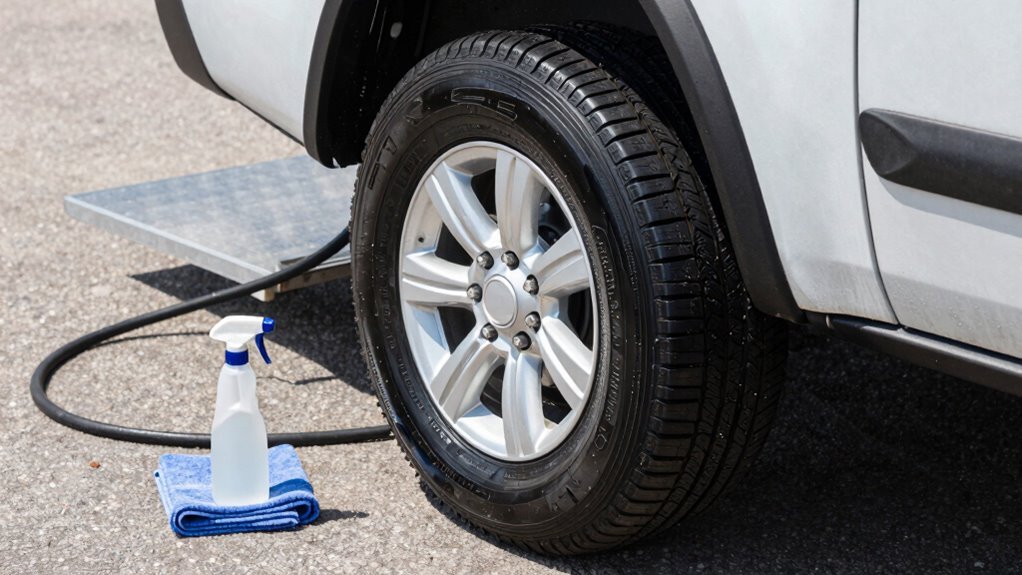
Keeping your RV’s tires clean isn’t just about looking good—though let’s be honest, shiny tires do turn heads at the campground.
Use warm water and mild soap (or a solid cleaner like STP), and scrub with a soft-bristled brush—no wire brushes, that’s like sandpaper on rubber!
Give tires a quick rinse first to knock off loose grime, then scrub rims and wheel wells too.
Rinse thoroughly so no soap residue dries in.
For a pro finish, dry with a microfiber cloth—skip the sun drying if you can; mineral spots are *not* a flex.
Clean monthly, or after every trip, especially in rainy Florida.
And hey, your tire covers love a gentle wash with water and a soft sponge—no harsh stuff!
Don’t forget a quick chrome polish or tire shine once in a while.
It’s not just sparkle—it’s protection! Regular cleaning helps prevent buildup of dirt, road grime, and debris.
Protect Tires From UV Exposure
You’ve given your tires a spa day with a good scrub—now let’s talk about suiting them up for the sun.
UV rays are sneaky villains, aging rubber faster than you can say “flat tire.”
But don’t sweat it—you’ve got options that work like sunscreen for your RV’s boots.
- Slip on covers made of UV-resistant vinyl or Sunbrella fabric—they block 98% of harmful rays and laugh in the face of cracking.
- Pick covers with waterproof PVC coatings—they shrug off rain, snow, and road salt like a pro.
- Make sure they fit snug but not tight; measure your tires and use hook-and-loop straps to keep them from blowing a getaway.
- Choose dual-layer designs—they’ll keep tires flexible in freezing temps and cool under blazing desert sun.
Your tires aren’t just tough, they’re smarter now.
Rotate Tires Every 6,000 to 8,000 Miles
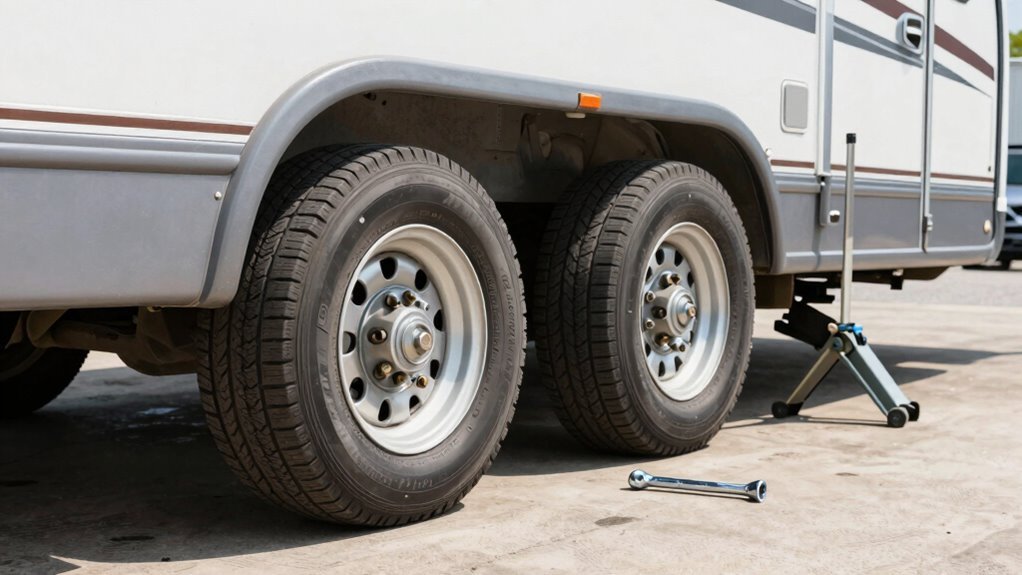
Time to give your RV’s tires a little tango—swap those positions and keep things rolling smoothly.
You should rotate them every 6,000 to 8,000 miles to spread out the wear.
If you’re hauling heavy loads in the back, your tire dealer might suggest doing it every 3,000 or so.
Front tires on motorhomes wear faster from steering and braking, while trailer rears drag hard in turns.
Rotating gives each tire a fair shot at every job, balancing wear and extending life.
Radials wear more evenly than bias-ply, but all tires benefit from a change of scenery.
Think of it like rotating campsite duties—nobody wants to cook every night!
Real-world RVers have hit 40,000+ miles with regular swaps.
Don’t wait until tread’s uneven or bald spots appear.
Check patterns yearly and rotate like clockwork—your tires (and wallet) will thank you.
Store Tires Properly When Not in Use
Tucking your tires away for the off-season? Smart move—you’re saving yourself future headaches!
Store them right, and they’ll roll like new when adventure calls again. Follow these steps to keep your tires happy and ready:
- Keep ’em cool and dry – stash tires in a dark, ventilated spot away from sun, snow, or hot blacktop.
- Stand ’em up – vertical storage prevents flat spots and saves space, especially with wall racks or pallets.
- Lift and separate – elevate off the ground, use wood blocks between tires, and inflate mounted ones to half pressure.
- Wrap with care – use black garbage bags, airtight covers, or tarps to block dirt and moisture without suffocating them.
Your tires aren’t hibernating—they’re napping! Wake them up fresh by rotating monthly and avoiding chemical sneezes from oily floors. Just don’t store them near clowns. Tires hate clowns.
Know When to Replace RV Tires
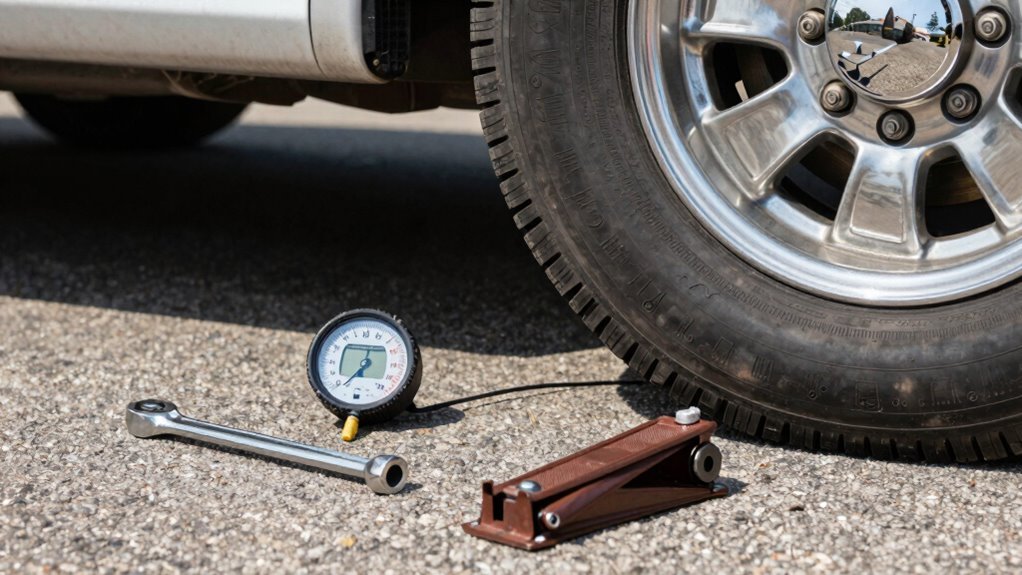
How do you know when it’s time to say goodbye to your trusty RV tires?
Well, if your tread’s worn down past 4/32 of an inch—check it with a quarter, Washington’s head is a telltale sign—it’s time to replace them.
Better safe than skidding!
Even if they look okay, never keep tires past 7 years; 10 is the absolute max, no matter what.
Peek at the DOT code on the sidewall—it’s their birthday label.
Cracks, bubbles, or dry rot? Those aren’t character lines, they’re danger signs!
And if you see exposed cords or chunks missing, don’t wait for a blowout—swap them now.
Keep up with inspections every few months, because Mother Nature hates rubber and loves ruining road trips.
Your RV deserves fresh shoes before the adventure begins—not halfway through a highway sprint!
Use Correct Load and Inflation Ratings
You’ve checked your tread, counted the years, and said farewell to cracked and tired rubber.
now let’s get serious about keeping your RV rolling safely with the right load and inflation ratings.
- Weigh your RV at each wheel position—don’t trust guesswork or flat scales, and always pack like you’re on a snack-filled road trip.
- Use load-inflation tables (like those at rvsafety.com) to match your tire size and load range—think of it as a dating profile for your rubber.
- Match your actual load to tire ratings: if your tire says “nope” on the sidewall, lighten the load or upgrade that tire.
- Add a safety cushion—25% extra pressure for heavier tires, or hit the max sidewall PSI until you’ve weighed in.
Play it safe, not sorry—your tires will thank you in miles and smiles.
Frequently Asked Questions
How Often Should I Check RV Tire Alignment?
You should check your RV tire alignment every six months or 6,000 to 10,000 miles—whichever comes first.
If you’re hitting potholes like a off-road champ or brushed a curb, peek sooner.
Annual checks are the bare minimum, but twice a year keeps your tires happy and evenly worn.
Think of it as a spa day for your RV—your tires’ll thank you, your fuel bill will shrink, and your ride stays smooth and safe.
Can I Mix Different Tire Brands on My RV?
No, you can’t mix different tire brands on your RV—and here’s why: 70% of RV tire failures stem from improper matching.
You risk wobbling, uneven wear, and overheating, especially on dual wheels.
Think of it like wearing two different shoes—one’s a sneaker, one’s a boot.
It just won’t work!
Keep your axles happy: same brand, size, and type.
Your RV will ride smoother, stop faster, and you’ll avoid nasty surprises on the road.
Are RV Tires Different From Regular Passenger Tires?
Yeah, RV tires are totally different from regular car tires—you’re not just hauling groceries, right?
They’ve got stiffer sidewalls to handle heavy loads, run hotter, and stay stable while towing.
Built tougher with stronger materials, they resist swaying and heat buildup.
Plus, they’re labeled ST, not P, and yeah, they’d laugh at your sedan’s tire pressure.
Different job, different beast—your RV’s tires mean business, even if they don’t steer or groove to music.
What Causes RV Tires to Dry Rot Quickly?
Dry rot sneaks up on your RV tires like a stealthy bandit, stealing their flexibility and leaving cracks in its wake.
You’re fighting sunburnt rubber, icy brittleness, and thirsty concrete sucking out essential oils.
Plus, ozone from nearby gadgets and stagnant storage turn your tires into sad, crack-prone couch potatoes.
Without movement or protection, they age fast—like forgotten snacks turning stale.
Keep ‘em covered, pumped, and occasionally rolling to dodge the dry rot drama!
Should I Use Tire Covers on All Four Tires?
Yes, you should absolutely use tire covers on all four tires—especially if your RV sits for weeks or lives outdoors.
They shield your tires from harsh UV rays, prevent dry rot, and keep critters from mistaking rubber for a chew toy.
Think of them as sunscreen and security guards combined.
Plus, covering all four provides even protection, so you’re not gambling with one weak tire.
Smart, simple, and seriously worthwhile.
Conclusion
You’re the captain of your RV’s tire health, so don’t let flat dreams or cracked rubber slow your roll. Treat tires like sunscreen-loving gardenias—shield them, check them, and give them a spa day now and then. Keep pressure perfect, tread tight, and rotations on time. Boom! Your tires will roll strong, happy, and ready for every adventure—even if they’re not invited to your campfire roast.
References
- https://jacosuperiorproducts.com/blogs/news/the-complete-guide-to-managing-your-rvs-tire-pressure
- https://www.trailerkingtires.com/tires/Landing.aspx?application=maintenance
- https://www.minderresearch.com/2023/02/22/how-to-expand-the-lifespan-of-your-rv-tires/tire-safety/
- https://www.rvlifemag.com/everything-you-need-to-know-about-rv-tire-inflation/
- https://www.lippert.com/blog/rv-maintenance-checklist
- https://tooltroopers.com/blogs/tooltroopers/rv-maintenance-checklist
- https://www.lafayettervpark.com/uncategorized/the-ultimate-guide-to-rv-tire-care-from-inflation-checks-to-road-trip-safety/
- https://www.youtube.com/watch?v=CzSytJ4WrHQ
- https://www.rv.com/servicing-care/how-to-perform-an-rv-tire-inspection/
- https://nrvta.com/tires-explained-why-tires-tell-the-truth-about-your-rvs-health/