How to Choose the Right Campground for Your Trip
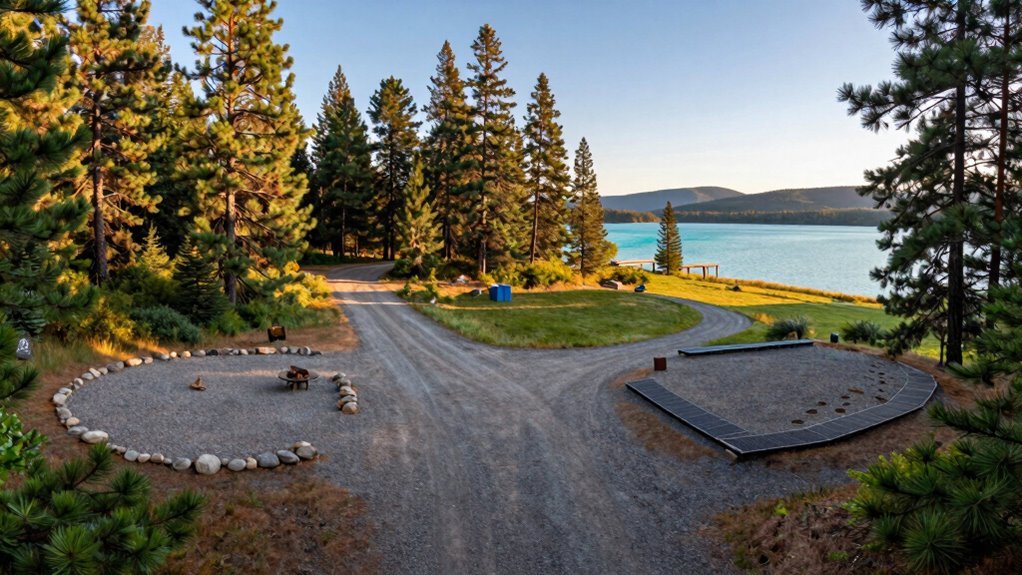
When planning your outdoor adventure, choosing the right campground is key to a successful trip. Pick a campground that matches your style, whether you’re tenting, hammocking, or living the RV dream.
Check the location to ensure it’s easy to reach and offers level parking for your setup. Look for clean restrooms, hot showers that actually work, and reliable WiFi if staying connected matters.
Opt for spacious, private sites that provide room to relax and unwind. Size matters—don’t settle for cramped spots that leave no breathing room.
Read recent reviews to gauge others’ experiences. If families are raving, it’s usually a great sign; if sketchy showers or grumpy staff come up often, consider another option. There’s always another great campground waiting.
Determine Your Camping Style
If you’ve ever dreamed of sleeping under the stars but aren’t sure where to start, figuring out your camping style is the perfect first step.
Do you want to go full explorer with a tent pitched in the wild, or just play pretend from the back of your car?
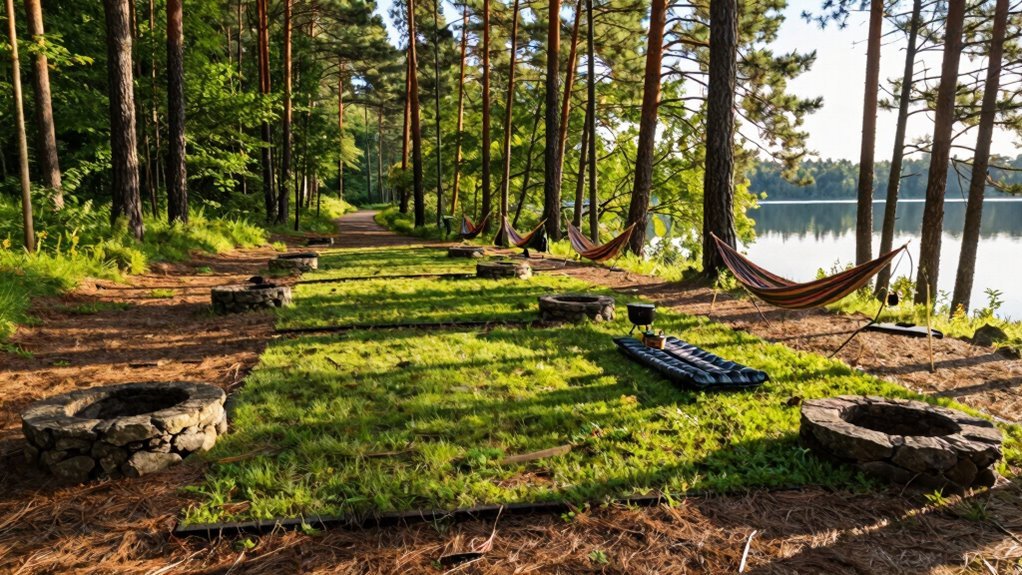
Tent camping’s classic, but you’ve got cooler options—like hammock camping, where you nap between trees like a bear (a very well-rested one).
Love comfort? Glamping lets you sleep in a bed with actual sheets—no dirt required.
Into adventure but hate heavy packs? Try ultralight or tarp camping.
Vehicle lovers, RVs or van life mean your kitchen, bed, and supplies tag along.
Each style fits a different mood, so ask yourself: how much gear (or glam) do you really need?
Your ideal night under the stars starts with that choice—and honestly, even backyard camping counts.
Just don’t forget the s’mores.
Hammock camping requires trees or standing poles for proper setup.
Evaluate Location and Accessibility
Ever wonder how close you can get to the great outdoors without turning your weekend into an expedition? You’ll want a spot that’s easy to reach—short drives mean less stress and more time roasting marshmallows.
Use Google Maps to check drive times and avoid sketchy roads that rattle your RV or trailer.
Look for campgrounds with wide, well-marked entrances and no tight corners or low branches.
Bumpy roads? Nope, thank you.
Check satellite views and reviews to see what you’re really getting into.
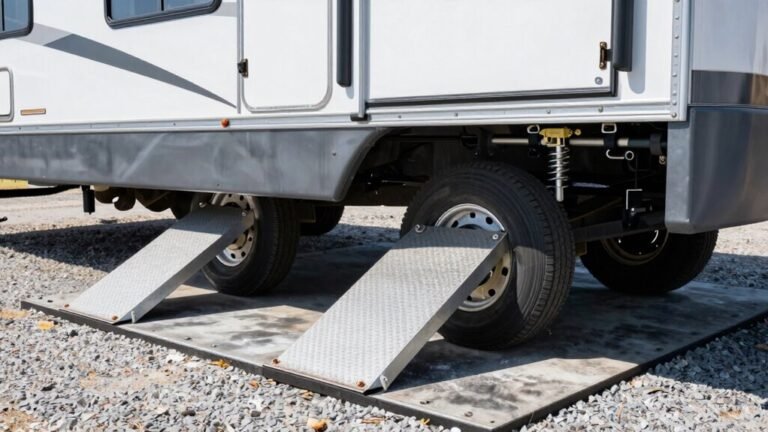
Make sure there’s plenty of parking right at your campsite, preferably on level, stable ground.
If you or someone in your crew needs wheelchair access, confirm there are paved paths, accessible restrooms, and campsites with room to move around.
Always peek at the campground’s website or call ahead—don’t assume.
A little research means everyone gets to enjoy nature, not just the mountain goats.
Nearby attractions like scenic trails and lakes can enhance your experience and give you more to explore during your stay — look for a campground within reach of these captivating features.
Check Available Amenities and Facilities
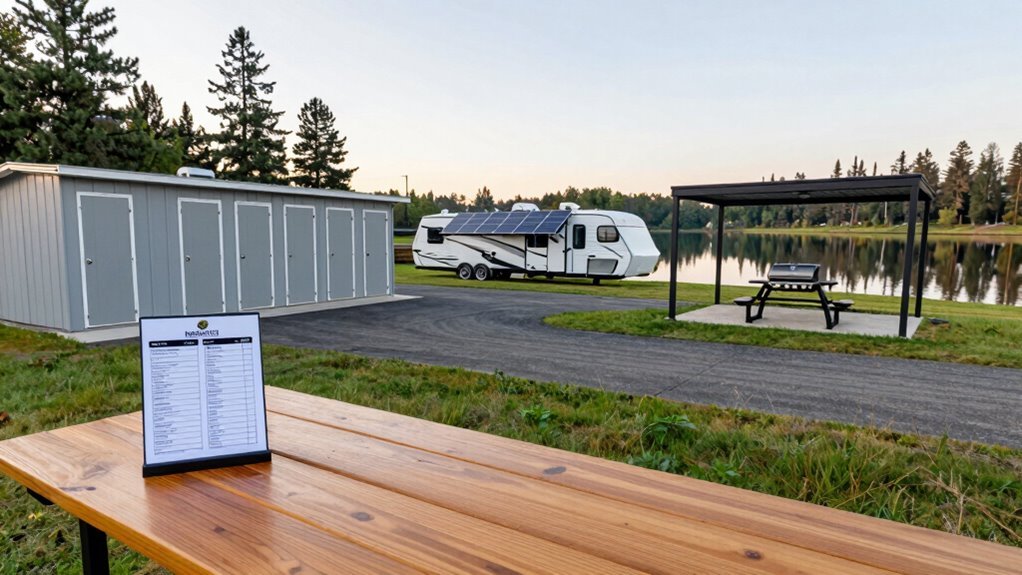
While you’re picturing your perfect getaway, don’t forget the comforts that make glamping feel glamorous and camping actually comfortable.
You’ll want reliable restrooms and hot showers—top perks nearly every camper, especially newbies, can’t live without.
Most parks have them, but always double-check!
If you’re rolling in an RV, full hookups (water, electric, sewer) are game-changers, and 89% of RV parks deliver.
Pull-through sites? A dream for tight turns.
Need laundry or WiFi? Larger parks usually have both, though public spots are spotty on internet.
Tech lovers will appreciate apps and digital check-ins, but hey, even low-key campers love a clean bathroom.
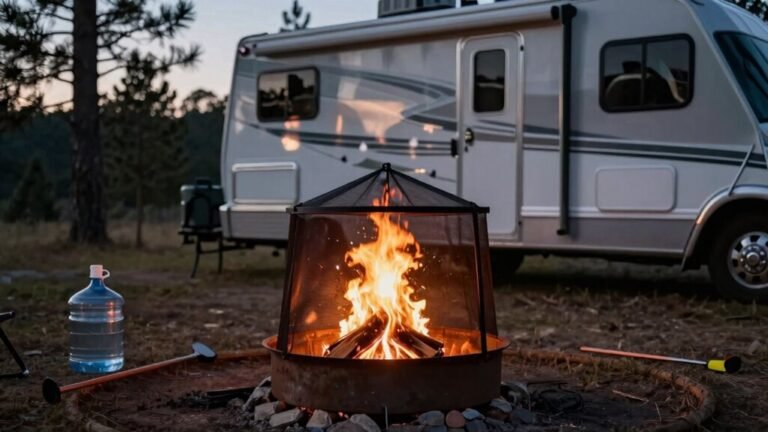
And if you’re all about fun, look for pools, fire pits, or fishing spots—they’re the cherry on top.
The industry has seen steady growth, with a CAGR of 4.9% projected from 2021 to 2028, driving more investment in modern, well-equipped campgrounds.
- Warm showers after a muddy hike
- A smooth RV pull-through with full hookups
- Stargazing by a crackling fire pit
- Fresh laundry at a spotless restroom station
Assess Campsite Size and Privacy
How much room do you really need to live your camping dream—just enough to stretch out your sleeping bag, or space to park the whole family RV circus?
If you’re tent camping, aim for at least 600 square feet—plenty of wiggle room.
RVers? You’ll want 800 square feet or more to fit your rig comfortably.
Sites are spaced at least 20 feet apart for tents and 25 feet for RVs, so you won’t be hearing your neighbor’s midnight snack crunch.
These rules prevent overcrowding and keep things peaceful.
Most campgrounds follow zoning and density rules—no more than 10 sites per acre—so you’re not packed in like sardines.
Need privacy? Some allow enclosures with approval.
Whether you’re flying solo or rolling in with the whole crew, check size limits for tents, vehicles, and noise.
You’ll sleep better knowing you’ve got space, separation, and just enough quiet to enjoy the rustle of the trees—instead of your neighbor’s generator.
Review Reservation Requirements and Policies
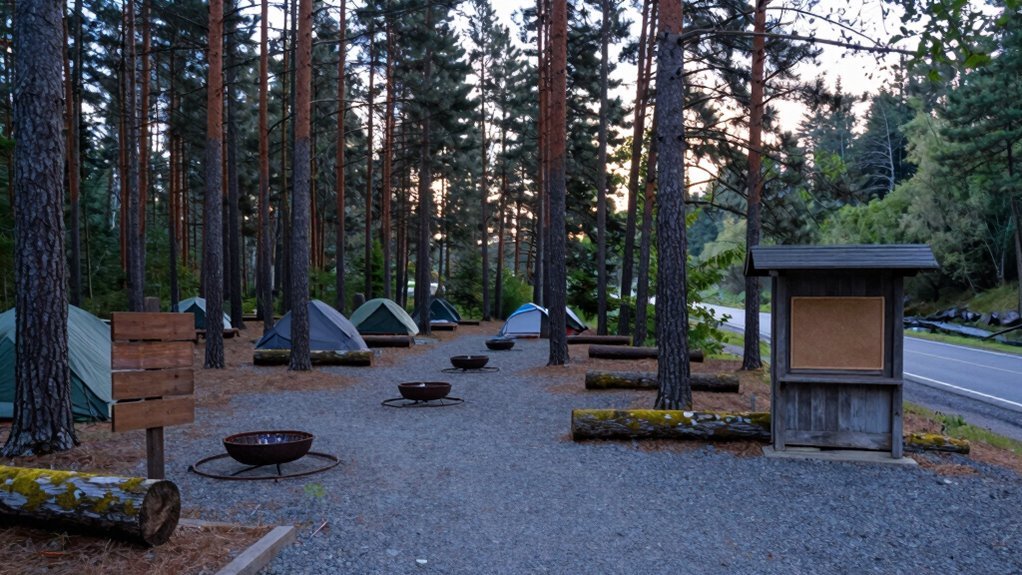
When’s the best time to snag your dream campsite before someone else claims it? Book early—Connecticut parks open 11 months out, while New York sites drop 9 months ahead, often at 8 a.m. on weekdays.
But don’t panic if you’re last-minute: some spots let you reserve just one day prior (if you act fast!). Just remember, rules vary by park, so read the fine print.
- Picture yourself pulling in at 8:59 p.m.—you’ve got one minute to spare before your spot’s re-rented!
- Imagine unpacking your cabin only to realize you booked a 3-night minimum… whoops!
- Flashback to that time you tried to check out at noon—except checkout’s 11 a.m., sharp!
- Think of your deposit vanishing because you canceled too late—$7.25 down the drain!
Stay smart, plan ahead, and save the drama for the campfire stories.
Consider Pet and Vehicle Restrictions
You’ve locked in your reservation and triple-checked the checkout time—nice work!
Now, don’t forget to check pet and vehicle rules before hitting the road with your furry co-pilot.
Over half of campers bring dogs, so you’re not alone, but many campgrounds limit you to two dogs per site and require leashes no longer than six feet.
Pets usually can’t hit trails, boardwalks, or beaches, and they’re banned from public buildings—sorry, Fido won’t be joining ranger programs.
If you’re in an RV, good news: RVers are way more likely to bring pets, and dog parks are a top request.
Just remember, you can’t leave your pup unattended or rev the generator in park lots.
Some lakes even ban pets entirely—imagine your dog’s disappointment.
Double-check restrictions, because nobody wants a surprised squirrel *or* a ticket.
Look Into Surrounding Activities and Attractions
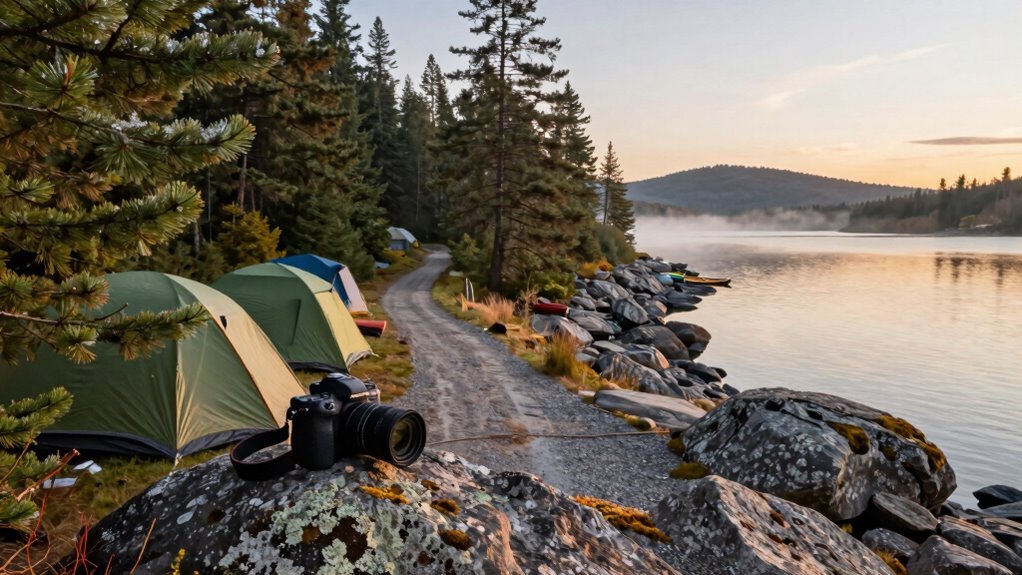
What if your campsite could double as a launchpad for adventure?
You’re not just picking a spot to sleep—you’re choosing your next story.
Imagine waking up steps from epic trails, crystal-clear lakes, or even underground caves.
Whether you’re into peaceful hikes or heart-pounding ziplines, the right location turns your trip into an experience.
And hey, who said camping can’t include pickleball or scenic train rides?
- Hike alpine trails in Rocky Mountain National Park, where elk roam and lakes shine like glass.
- Explore Mammoth Cave’s shadowy passages, then cool off with a riverside picnic.
- Snap photos of Dollywood’s vintage rides and Southern charm, just minutes from the Smokies.
- Chase thrills on Mount Washington’s rugged slopes, where winds howl like nature’s own rock concert.
Read Recent Camper Reviews and Ratings
Scouting out the perfect campsite isn’t just about the trails or the views—sometimes the real adventure starts with reading the fine print in camper reviews.
You’ve got better things to do than walk into a nightmare campground, so don’t skip the reviews.
Real campers spill the beans on restrooms, noise, spacing, and whether the Wi-Fi actually works (spoiler: it usually doesn’t).
Focus on feedback from the last year—no one wants last decade’s trash fire.
Check sites like Campendium or Google, where stars and rants reveal cleanliness, staff vibes, and if the showers are more horror movie than vacation.
Look for patterns: if three people gripe about sketchy water, believe them.
And hey, if families with kids rave about it, you probably can too.
Cross-reference a few platforms, peek at photos, and dodge the duds before you pack the tent.
Frequently Asked Questions
Can I Bring a Drone to the Campground?
You *can* bring a drone to the campground—but only if the rules say yes.
Don’t assume, ‘cause even if the FAA allows it, parks often don’t.
National Parks? Total no-go.
Many state and local parks ban them too, especially for noise or wildlife reasons.
Skip the fines—check with rangers first.
Got permission?
Keep it low, keep it safe, and don’t buzz your buddy roasting marshmallows.
Drone fun = smart fun.
Are Campfires Allowed Year-Round?
No, campfires aren’t allowed year-round everywhere—think of them like seasonal fruit, ripe only when and where rules allow.
You’ll need to check local bans, like in Eldorado Forest or San Juan Bautista after May 2025.
In Yosemite, enjoy wood fires October–April, or stoves anytime.
Don’t forget your free California permit—it’s your golden ticket, but not a free pass.
Stay safe, stay legal, and keep the s’mores dreams alive!
Is Cell Phone Reception Reliable at the Site?
No, cell reception isn’t always reliable at campgrounds—you might get great signal one minute and lose it the next.
Terrain, trees, and distance from towers can block signals, and popular spots often overload local networks.
Don’t trust carrier maps alone; they’re optimistic!
Check reviews on Campendium or AllStays, and maybe pack a signal booster—just in case your phone decides to go full hermit mode.
Can I Receive Mail or Packages While Camping?
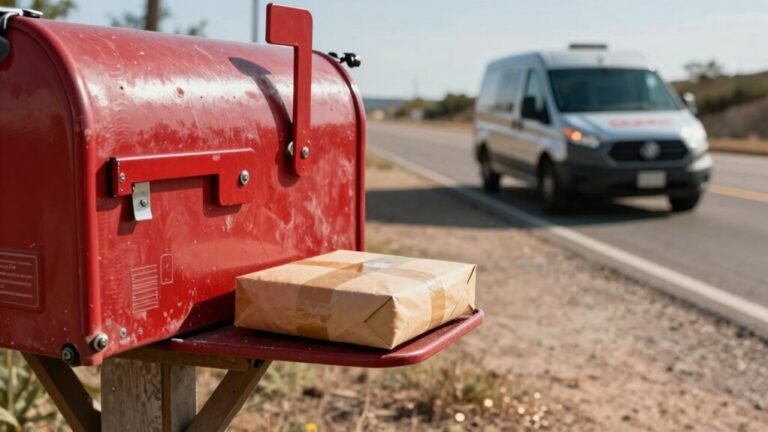
You bet you can get mail while camping—60% of RV parks accept packages!
Just call ahead, ‘cause policies vary: some take all carriers, others only FedEx or UPS.
Use your site number in the address for direct delivery.
Need a longer stay solution?
Try a mail-forwarding service—they’ll even handle your junk mail (and yes, we understand how much you miss those credit card offers).
Are There Quiet Hours Enforced at Night?
Yeah, quiet hours are definitely enforced at night—usually from 10 or 11 PM to 6 or 7 AM, so you’ll need to keep the party vibes on hold.
Most places shut down loud music and rowdy games, and rangers won’t hesitate to tap on your tent if things get too wild.
Think whisper mode: quiet chats, soft tunes, and zero drum solos.
It’s all about respecting your fellow campers’ sleep—nobody wants to hear your late-night karaoke.
Conclusion
You’ve got this! Picking the perfect campground is like choosing the right toppings for s’mores—get it right, and everything just clicks. Match your style, check the perks, and read the reviews—because who wants to hike to a bathroom at midnight, right? With a little prep, you’ll wake up to birdsong, not blunders. Adventure’s waiting, and hey, even bears appreciate good planning!
References
- https://dutchwaregear.com/2023/01/09/different-types-of-camping/
- https://fridieoutdoors.com/camping-skills/types-of-camping
- https://www.cruiseamerica.com/trip-inspiration/what-types-of-camping-fit-your-skills-desires
- https://www.thegonegoat.com/inspiration-and-tips/types-of-camping
- https://www.dailypress.net/life/features/2023/04/the-different-camping-styles/
- https://www.reserveamerica.com/articles/camping/different-types-of-camping/
- https://urbantactical.com/blogs/product-reviews-and-comparisons/the-different-types-of-camping-exploring-the-great-outdoors
- https://www.spot2nite.com/p/blog/guides/camping-experiences
- https://ownakoa.com/2023/11/19/how-to-choose-the-right-location-for-your-campground/
- https://crystalrockcampground.com/how-to-choose-the-right-campground-for-your-preferred-accessibility/