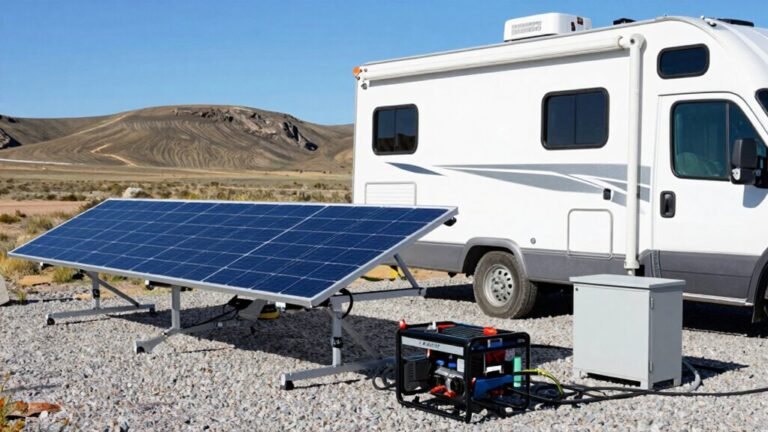
Are RV Extended Warranties Worth It?
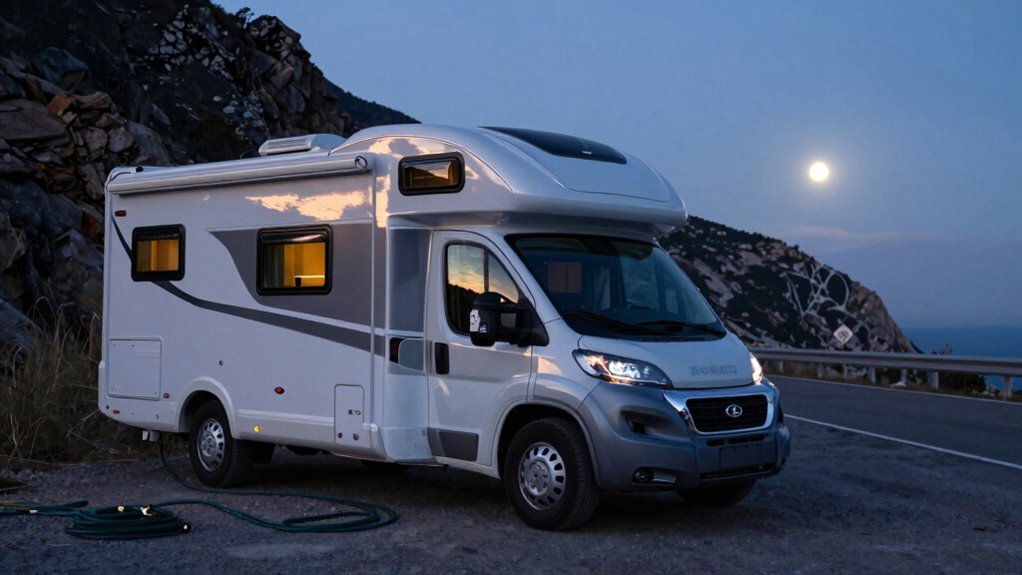
Are RV extended warranties worth it? You’re covered when your RV’s AC dies mid-heatwave or the slide-out jams on movie night—no $3,000 surprise repairs, just a quick call and you’re back to relaxing.
These plans turn scary bills into small deductibles, especially if you travel often or own a pricier rig. Yeah, they cost upfront, but think of it as peace of mind with perks.
And hey, fixing things before they break? That’s always a win. You’ll love how much smoother the road gets.
How RV Extended Warranties Work
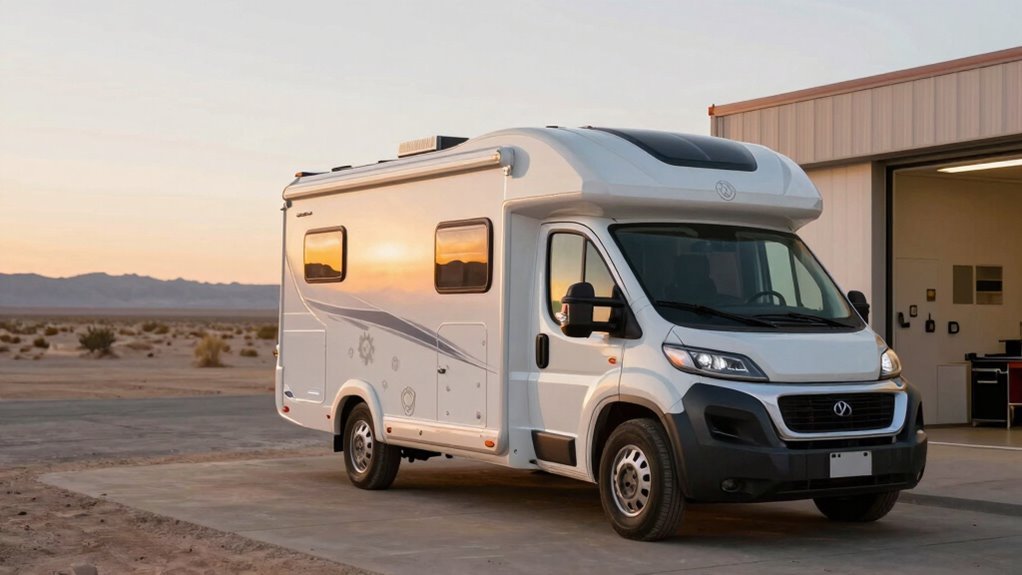
Ever wondered how an RV extended warranty actually works once you’ve signed on the dotted line?
It’s not a factory warranty—it’s a service contract spelled out with clear rules on what’s covered, what’s not, and what you’ll pay.
You pick the term, often in years or miles, and pay upfront or in installments (just don’t stretch payments past coverage end!).
When something breaks, take it to a repair shop, but wait—they’ll need approval from the warranty admin first.
Most claims require pre-authorization, and once approved, the provider pays the shop directly.
You only fork over your deductible.
Some contracts transfer to new owners, boosting resale value—bonus!
Just remember: no pre-approval, no coverage.
And keep those oil changes documented—missed maintenance is the fastest way to get a “no” when you need a “yes.”
It’s like insurance, but way more fun when it works.
Warranties cover mechanical issues, not damage.
Common Coverage Options Explained
What if your RV’s warranty actually covered almost everything—except the kitchen sink (and maybe even that)?
With exclusionary coverage, you’re protected for nearly all mechanical breakdowns unless it’s specifically listed as excluded—think engine, transmission, and internal systems, not carpet or paint.
It’s extensive, backed by top insurers, and perfect if you want peace of mind.
On the flip side, inclusionary coverage only protects what’s listed, making it simpler and cheaper, especially for towables.
Need electrical protection?
Power surge coverage guards against costly damage from faulty hookups.
And when repairs happen, travel benefits have your back—covering meals, lodging, even rental cars.
Plans last 1 to 8 years, with flexible payments and transferable terms.
You’re not just buying coverage—you’re buying weekends full of adventure, not anxiety.
One of our reliable protection plans covers diesel engine to appliances.
Typical Exclusions and Limitations
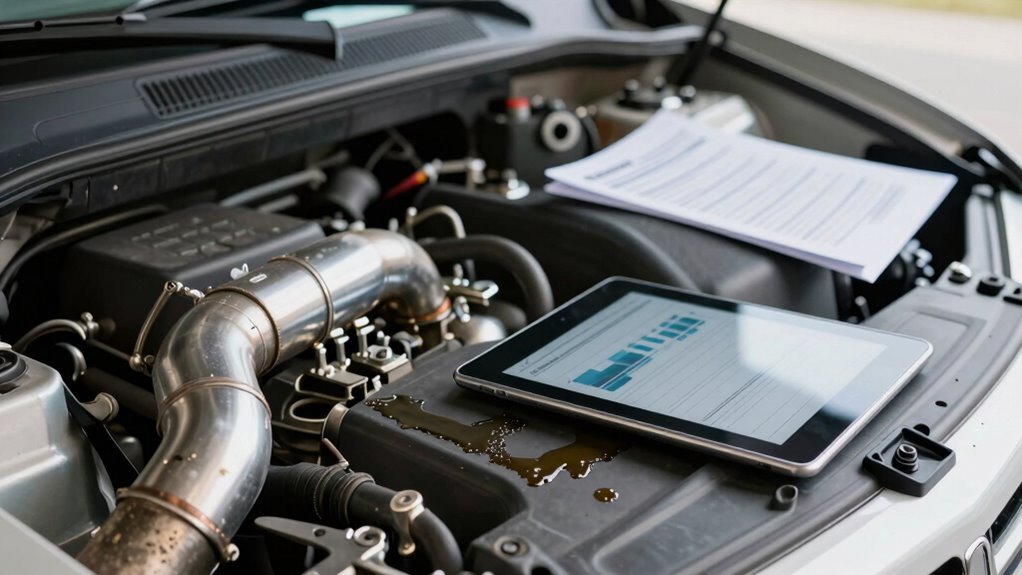
You’ve got the coverage that’s got your back when the road throws a wrench in your plans—literally.
But hold up: that doesn’t mean *every* wrench.
Pre-existing issues, like that odd noise you ignored last summer, won’t be covered.
No surprise—routine stuff like brake pads, tires, and oil changes? You’re on the hook.
Skip maintenance, and the warranty might skip you right back.
Cosmetic dings, peeling paint, or a mysteriously chewed wire (thanks, squirrels)? Nope, not their problem.
Accidents, floods, or turning your RV into a off-road monster? That’s what insurance is for.
Aftermarket mods or unauthorized repairs? Major red flags.
And remember: age, mileage, and fine print limits can sneak up.
Read the details like you’re checking for expired snacks—closely, and with snacks ready.
Coverage typically excludes hidden defect disclosure if not reported at purchase.
Know the rules, stay sharp, and keep rolling smoothly.
Comparing Manufacturer Vs Third-Party Warranties
So, which warranty path leads to smoother miles—manufacturer or third-party? Let’s break it down:
- Coverage Flexibility: Third-party plans often let you mix and match systems like appliances or slideouts, while manufacturer coverage sticks to original components and dealership repairs.
- Network Freedom: You’re not stuck at a dealer lot—many third-party options let independent shops fix your RV, often right at the campsite. No detours required!
- Cost & Transfer: Manufacturer warranties might cost more upfront but can boost resale value and transfer smoothly to new owners.
- Start Time & Rules: Manufacturer extensions kick in after the factory warranty ends, avoiding overlap, while third-party plans sometimes start immediately—just watch for double-dipping limits.
Choose based on how you roll—routine comfort or customizable freedom!
Cost Breakdown of Popular Extended Warranty Plans

Ever wonder how much it’ll really cost to keep your home on wheels protected?
You’re looking at anywhere from a few thousand bucks for a travel trailer to $20,000 for a high-mileage motorhome—yeah, it adds up.
Newer RVs snag longer, cheaper plans, while older ones? They’ll cost more to insure since they’re almost guaranteed to need repairs.
Towables are easier on the wallet, thanks to no engine drama.
Coverage type matters too: exclusionary plans cover nearly everything (nice!), and longer terms mean lower yearly costs.
You’ll pick your deductible—$50 to $500—and yes, that $15K engine fix could end up free after it’s paid.
Good Sam even covers snacks and a rental car while you wait.
Just avoid dealer markups and financing traps—your future self will thank you over a campfire s’more.
Real-Life Scenarios Where Warranties Paid Off
Imagine this: you’re halfway to your dream campground when your RV’s engine suddenly quits, leaving you stranded on the side of the road.
But hey, you’ve got an extended warranty—cue the happy dance!
Here’s when it’s saved real owners real cash:
- Your engine blows, and a $15,000 repair turns into a $0 bill—warranty covers the full fix.
- Your AC dies mid-heatwave, but a $3,000 replacement? Covered, no sweat.
- A slide-out jams, threatening a $2,500 repair—warranty swoops in like a superhero.
- You get towed 200 miles, but roadside assistance nixes the $800 fee.
No more panic, just peace of mind. Real stories, real savings—and way fewer gray hairs. Who knew a piece of paper could feel this heroic?
When an Extended Warranty Might Not Be Necessary
Those feel-good stories of warranties saving the day? Sure, they’re out there—but let’s be real, your shiny new RV probably doesn’t need one yet.
If you’re still under factory coverage, buying an extended warranty now just duplicates protection you already have, costing extra for zero gain.
Plus, if you’ve racked up miles or your rig is getting up there in age, providers might charge way more—or say no thanks.
And let’s face it, if your RV rarely breaks down, paying monthly premiums could cost more than fixing things yourself.
Most policies skip wear-and-tear stuff like slideout seals or roofs anyway—common headaches you’d think they’d cover.
Add in exclusions, deductibles, and repair hassles, and that “peace of mind” mightn’t be worth the fine print.
Sometimes, keeping cash in your pocket beats betting on breakdowns.
Understanding Claim Processes and Service Networks
So, how does it actually work when your RV decides to throw a tantrum hundreds of miles from home? Don’t sweat it—here’s what happens:
- You or your repair shop calls the warranty provider for a pre-authorization number, and most claims get approved in under a minute.
- The warranty company pays the repair shop directly using a corporate card—no big out-of-pocket cost for you, just your deductible.
- Any shop in the U.S. or Canada with a Tax ID works, so you’re never stranded without options.
- Keep solid maintenance records—you’ll need ‘em to back up your claim and keep things moving fast.
It’s a smooth, no-fuss process designed for real life—because breakdowns are stressful enough without paperwork nightmares.
Alternatives to Extended Warranties for RV Owners
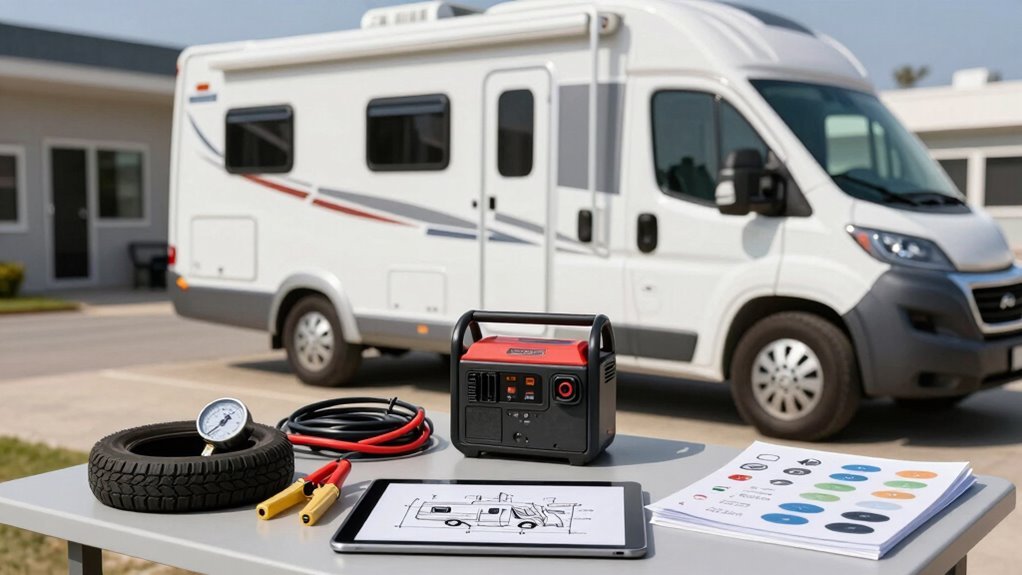
What if you could skip the paperwork and still sleep easy when your RV hits the road?
You can!
Instead of an extended warranty, try setting up a dedicated repair fund—put aside a little each month, and you’ll have cash ready when surprises pop up.
It’s like paying yourself to stay worry-free.
Stick to routine maintenance: change the oil, check the roof seals, and lube those slide rails—small moves that dodge big bills later.
Sign up for a prepaid maintenance plan and save dough on regular services.
Grab a cheap roadside assistance plan for tire swaps or jump-starts—super handy when you’re stuck in the middle of nowhere.
Toss in an inspection now and then to catch sneaky wear before it bites.
You’ve got options, flexibility, and control—no fine print chasing you!
Questions to Ask Before Purchasing a Plan
Ever wonder how you can tell if an RV extended warranty is really worth it?
Ask the right questions upfront and save yourself headaches later. Don’t just take the salesman’s word for it—dig into the details. Here’s what really matters:
- What’s covered—and what’s not? Is it exclusionary (covers everything except listed items) or inclusionary (only covers specific parts)? You don’t want surprises when your slideout breaks.
- How much will you actually pay? Check the deductible per claim, total cost, and compare dealer vs. broker rates—you might save big going direct.
- Is pre-authorization required? Yes, usually, but make sure emergency repairs after hours are allowed without a hassle.
- Can you transfer it? Great if you plan to sell—some plans boost resale value.
Ask these, and you’ll shop smarter, not harder—because no one wants a warranty that quits when your RV does.
Frequently Asked Questions
Can I Transfer My RV Extended Warranty to a New Owner?
Yes, you can usually transfer your RV extended warranty to a new owner—and it’s a great way to boost your rig’s appeal!
Most plans let you pass it on to a private buyer, though dealer trades might cancel it instead.
Just fill out a transfer form, pay a small fee (often $0–$75), and share service records.
Confirm the details early—smooth transfers turn curious buyers into happy, covered owners!
Does the Warranty Cover Towing Costs During a Breakdown?
Yes, your warranty does cover towing costs when a covered part fails—think engine trouble or transmission issues, not running out of gas (we’ve all been there!).
Most plans pay up to $300–$500 per breakdown, but check if it’s tow-to-nearest-shop only.
You might need to pay first and get reimbursed, so save that receipt like it’s a concert ticket!
Are Used RVS Eligible for Extended Warranty Coverage?
Yes, you *can* get an extended warranty for a used RV—don’t panic just yet!
If your rig isn’t older than dirt or rolling on its last wheeze, most providers accept rides under 15–20 years old and under 125,000 miles.
You’ll likely need an inspection, some paperwork, and honest talk about past repairs—but hey, no one’s perfect, right?
Coverage varies, so pick a plan that fits your wanderlust, not just your wallet.
What Happens if the Warranty Company Goes Out of Business?
If the warranty company goes under, you’re out of luck—coverage vanishes like a popped balloon.
You’ll join the creditor line, but don’t hold your breath; unsecured claims rarely pay much.
Dealers aren’t on the hook unless they knew trouble was brewing.
Skip sketchy third-party sellers and pick insurance-backed plans—companies like GEICO keep promises, even when others go belly-up.
Smart move, peace of mind!
Can I Cancel My Extended Warranty and Get a Refund?
Yes, you can cancel your extended warranty and usually get a refund.
Just contact the provider, submit the required forms, and include your VIN and odometer reading.
Most offer a prorated refund minus a small fee.
If you financed it, the refund goes to your lender first.
Cancel in writing, keep copies, and ask for a confirmation date—don’t rely on a quick chat!
Conclusion
Think of your RV’s extended warranty like an umbrella on a sunny road trip—it’s not always needed, but when a storm hits, you’ll be glad you packed it. You’ve got choices, coverage to weigh, and questions to ask, so don’t rush. With the right plan, you’re not just buying peace of mind—you’re fueling adventures with confidence. Now, go roll with less worry and more wow!
References
- https://americasrvwarranty.com/rv-repairs-how-to-use-your-rv-warranty-in-four-easy-steps
- https://www.thorindustries.com/stories/rv-warranty-guide
- https://www.youtube.com/watch?v=ZbAwspQQ-J0
- https://rvshare.com/blog/ultimate-guide-to-rv-extended-warranties/
- https://www.escapees.com/blog/extended-rv-warranty
- https://www.goodsamesp.com/rv-extended-warranties-what-rv-buyers-need-to-know/
- https://wholesalewarranties.com
- https://americasrvwarranty.com
- https://www.goodsamesp.com/rv-extended-warranty/
- https://www.rvcomplete.com/extended-service-contract/