Is Boondocking Legal? What RVers Should Know
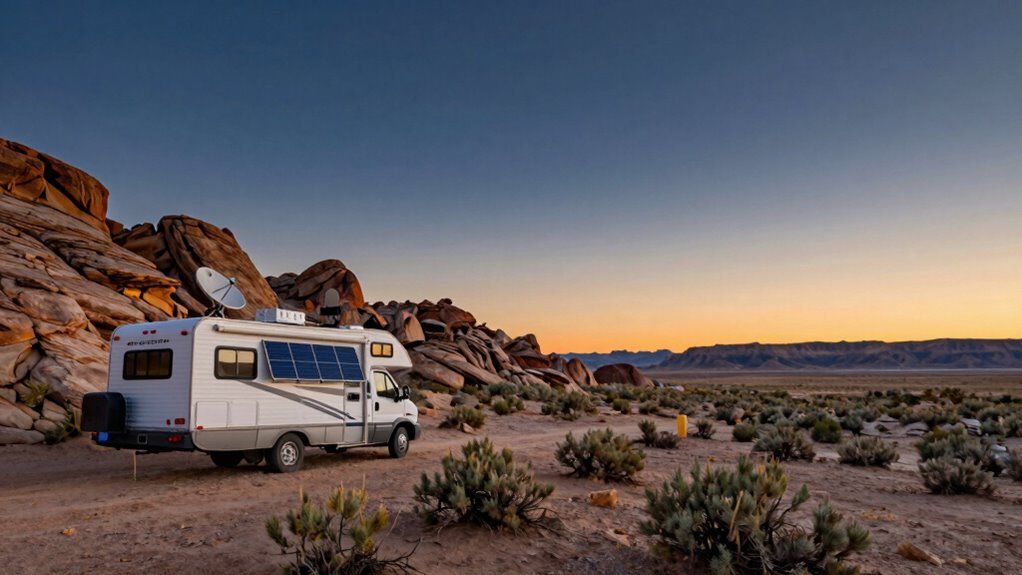
Boondocking is legal on millions of acres of public land, primarily in BLM and National Forest areas, where you can park your RV and enjoy off-grid camping for free. Always follow the rules to ensure your boondocking experience remains lawful and respectful to the environment.
Most areas allow stays of up to 14 days before requiring you to move locations. Be sure to camp at least 100 feet from water sources and pack out all trash to leave no trace.
Fires are permitted only in existing fire rings and when local regulations allow—always check current restrictions. Avoid setting up in national parks or city jurisdictions unless you have explicit permission.
On private land, some property owners welcome RVers through programs like Boondockers Welcome. Boondocking offers a fun, free, and adventurous way to travel, as long as you respect the unwritten rules of the road.
Understanding Boondocking and Public Lands
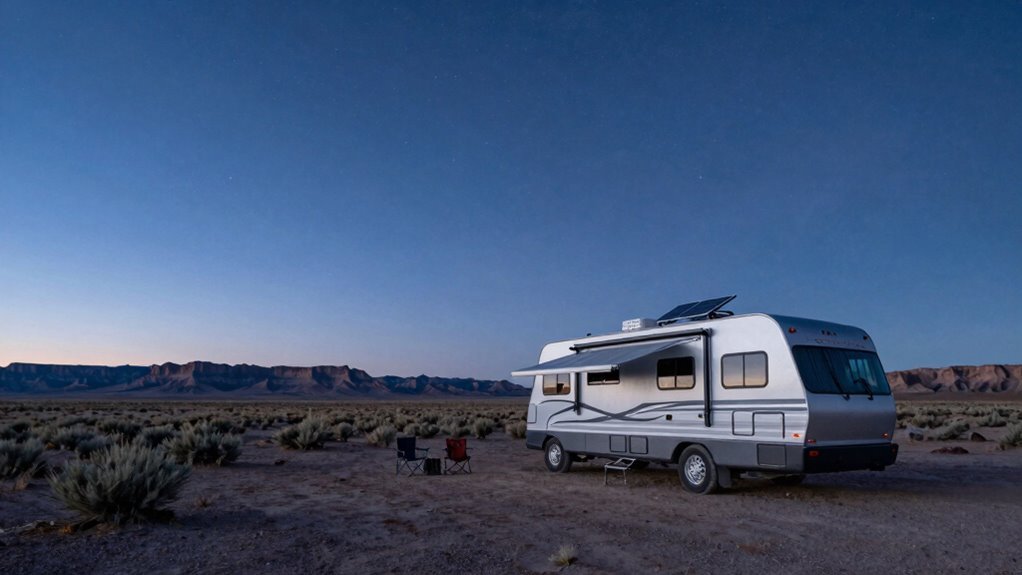
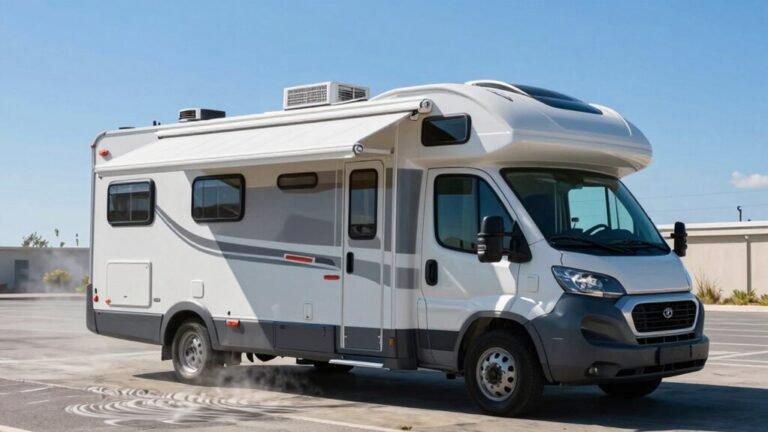
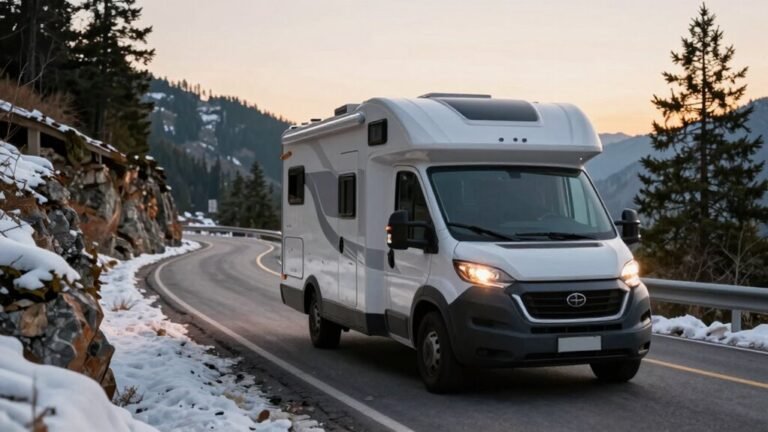
Imagine this: you’re rolling down a quiet dirt road, windows down, coffee in hand, and the only neighbors around are a curious deer and a chirping squirrel. That’s boondocking—camping off-grid, far from crowds and hookups, where you rely on your own power, water, and waste tanks. You’re totally self-contained, like a nomad with a fridge and a bed. It usually happens on public lands managed by the BLM or Forest Service, where you can pull up, park, and stay free—no reservations, no check-ins. Just you, nature, and maybe a squirrel judging your cooking. You follow the rules: pack it in, pack it out, and leave no trace. These spots don’t have bathrooms or trash cans, so you’ve gotta be smart and tidy. It’s not just camping—it’s adventure with a side of responsibility, and honestly, a little more fun than paying for Wi-Fi you won’t use. Most public lands allow stays of up to 14 days within a 28-day period, so plan accordingly to stay within the limits of 14-day stay rule.
Where Boondocking Is Commonly Allowed
Where can you pitch your mobile home under the stars without breaking the bank—or the law?
Out West, you’re spoiled for choice.
Arizona’s BLM lands let you camp for free among red rocks and pines—just snag a permit for state trust land.
In Utah, you can wake up near Parowan Gap’s ancient petroglyphs or park near Zion with a quick hop from Old Highway 89.
New Mexico’s Angel Peak area offers wild, open skies and easy access to surreal badlands.
California? Oh, you’ll love roaming Death Valley’s stark beauty or hiding in Big Sur’s coastal nooks.
Oregon’s Deschutes Forest gives you riverside peace, and Tillamook’s spots feel like hidden gems.
Most places welcome you for up to 14 days, sometimes longer.
You’ve got millions of acres, minimal rules, and zero campfire fees—just bring your sense of adventure (and maybe extra marshmallows).
Public lands in the U.S. total over 640 million acres for potential dispersed camping, offering RVers vast legal opportunities to enjoy boondocking on public lands.
Rules on National Forest and BLM Land
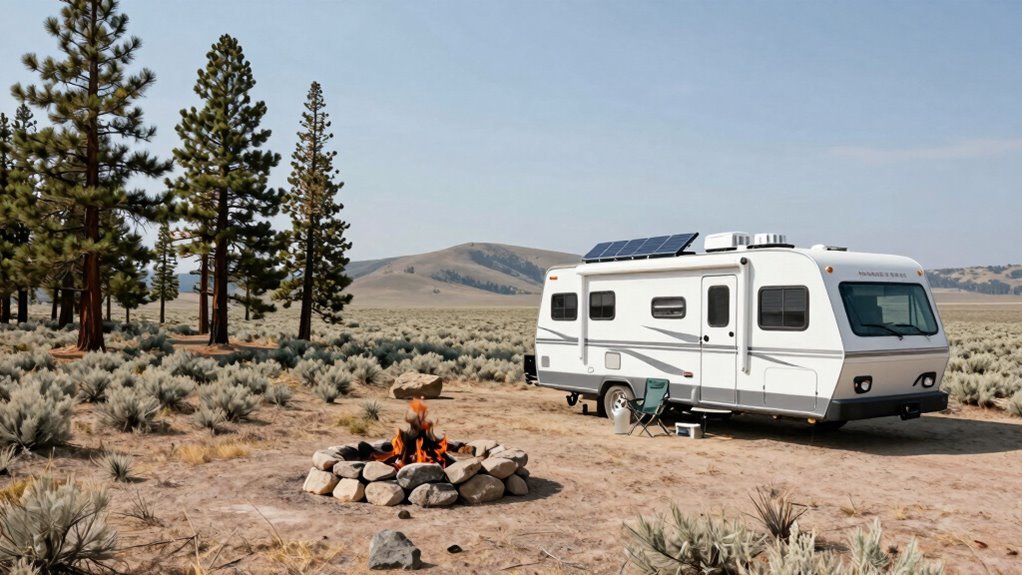
You can camp for free across millions of acres of BLM and national forest land, as long as you follow a few key rules—think of it as boondocking with guardrails, so you don’t accidentally turn your weekend getaway into a run-in with the rangers.
Stick to established sites, keep your rig within 150 feet of roads, and stay at least 100–200 feet from water sources—wildlife appreciates the space.
Pack out all trash, bury human waste properly, and only build fires in existing rings, if allowed.
Never cut live trees for firewood—dead and downed wood is fair game.
Respect signage and avoid crowded areas like trailheads or day-use spots.
Rules vary by location, so check with local ranger stations before you roll in.
Oh, and leave gates how you found them—rangers hate grumpy ranchers.
Follow these tips, and you’ll enjoy nature’s playground without the side of fines supplementary rules.
Time Limits and Stay Restrictions
How long can you actually stay in the middle of nowhere without setting off any alarms? On most BLM and National Forest land, you’ve got 14 days within a 28-day stretch—then you’ll need to move at least 25 miles away. Think of it as nature’s way of saying, “Go explore somewhere new!”
Some spots, like Bridger-Teton, shorten it to just 3 days, while INYO lets you stretch to 42. Always check signs—posted rules trump general ones. Leaving your RV unattended? Most places allow it, but don’t push it: 24 hours is the max on ACOE and USBR land. And no, you can’t stash chairs or tents to save a spot—rangers aren’t fans of that move. Stick to the limits, keep it clean, and you’ll keep boondocking fun, free, and open for everyone.
Prohibited Areas and Local Ordinances
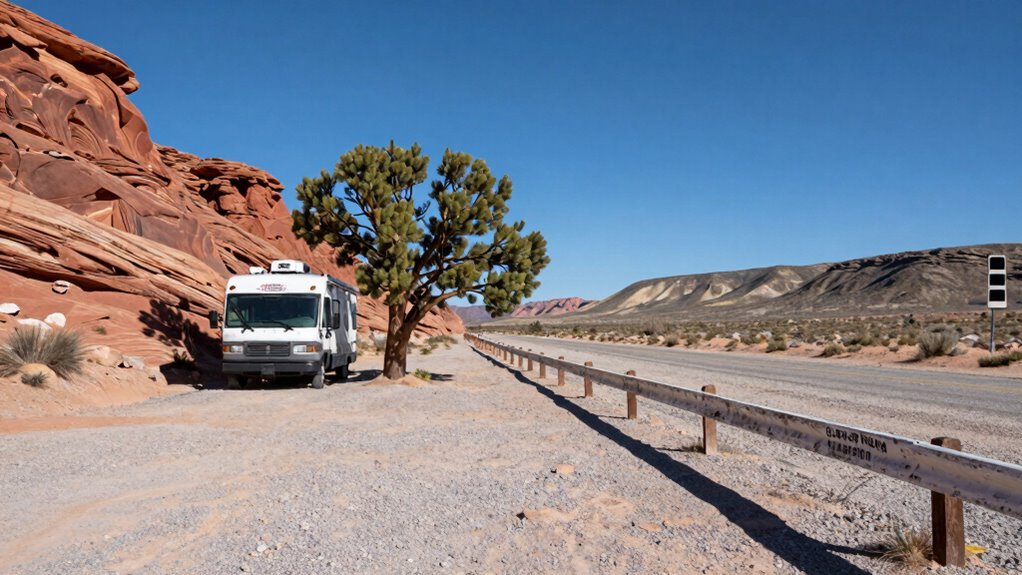
While you’re dreaming of wide-open spaces and star-filled skies, don’t forget that not every patch of dirt welcomes an RV takeover—some spots are totally off-limits, and accidentally parking in the wrong place could turn your peaceful getaway into a not-so-fun game of hide-and-seek with a ranger.
To keep your adventure legal and fun, always check local rules first.
Here’s how to stay out of trouble:
- Avoid national parks—boondocking is banned there, but nearby BLM or national forests often allow it.
- Respect city limits—urban areas and store parking lots usually forbid overnight stays unless you’ve got written permission.
- Watch for fire bans and seasonal restrictions, especially in dry states like Arizona, where rules can change fast.
Do your homework, play by the rules, and you’ll sleep easy under the stars—without a surprise visit from the camping police.
Boondocking on Private Property: What You Need to Know
Ever wonder if you can just park your RV on that quiet piece of land off the backroad and call it a night?
Sorry, but without permission, that’s called trespassing—and it’s a crime everywhere.
No signs? Doesn’t matter.
No permission means no camping, no exceptions.
But here’s the good news: you *can* boondock on private property if the owner says yes.
Try asking nicely—many do!
Programs like Boondockers Welcome and Harvest Hosts connect you with friendly hosts who actually *want* RVers on their land.
Just be cool, stay respectful, and follow their rules.
And if you’re dreaming long-term, buying your own plot could work—though check local laws, because some cities still won’t let you live in your RV, even on your own property.
Permission isn’t just polite—it’s the law!
Best Practices for Responsible Dispersed Camping
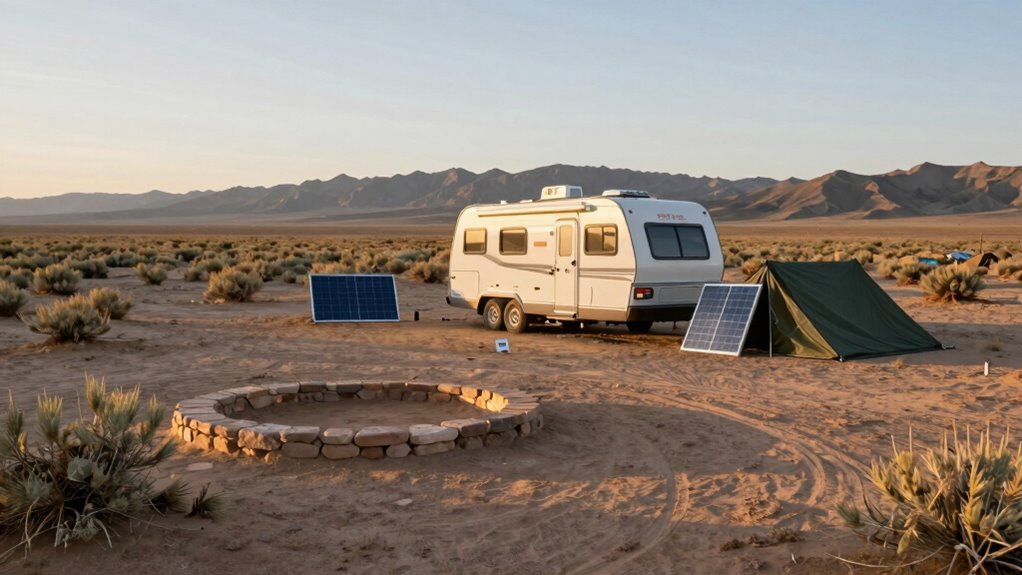
A little prep goes a long way when you’re heading out to camp where the pavement ends and the wild begins. You’re in charge of leaving nature looking untouched—maybe even better than you found it. Follow these simple steps to stay safe, legal, and kind to the planet:
- Pick the right spot: Use existing sites at least 100 feet from water, stick to durable surfaces, and never blaze new trails through meadows—your RV isn’t a lawnmower!
- Pack it in, pack it out: Burn fires only where allowed, bury waste deep and far from streams, and stash food securely—bears hate uninvited dinner guests.
- Be a quiet, courteous neighbor: Keep noise down, limit generator use at night, and move on after 14 days.
Nobody likes that one guy who overstays his welcome.
Frequently Asked Questions
Can I Boondock With Solar Panels Only?
Yeah, you can totally boondock with just solar panels!
They’ll juice up your batteries during the day, so you’ve got power at night.
Just make sure you’ve got enough wattage—like two 320W panels—and six hours of sun.
Pair them with a solid battery bank, and you’re golden.
No noisy generator, no fuel runs, just quiet, clean energy.
Mother Nature high-fives you every morning!
Do I Need a Permit for Overnight Truck Camping?
Yeah, you’ll often need a permit for overnight truck camping—it’s not always wild west out there!
Did you know over 60% of public lands require some form of permission?
On city streets like in San Diego, grab that TORVP permit online or risk a friendly (but pricey) visit from the parking gods.
In national forests, you’re golden for 14 days without one—just don’t start a bonfire without a California Campfire Permit, unless you want to roast marshmallows illegally!
Is Boondocking Allowed in State Parks?
Nope, you can’t boondock in state parks—sorry, free spirit!
They don’t allow camping outside designated spots, so you’ll need a reserved site and a vehicle pass.
You’re limited to 14 days max every 28 days, and yes, they’ll kick you out if you overstay.
But hey, at least you’ll have picnic tables and bathrooms—nature with a side of comfort!
Can I Use a Generator While Boondocking?
You can use a generator while boondocking, but don’t push your luck—keep it quiet and legal.
Run it during daylight hours, aim for under 70 dB, and never let it hog the peace.
In California, newer rules phase in by 2028, so gas units are on borrowed time.
Opt for inverter models, position it away from windows, and lock it down.
Solar’s quieter, but when you need power now, a generator’s your go-to sidekick—just play nice with nature and neighbors.
Are There Age Restrictions for Boondocking?
Nope, you won’t find age limits when boondocking—your trusty RV, even if it’s seen a few decades, is totally welcome.
Public lands don’t care if your rig was born in the ’90s, as long as you follow stay limits and pack out trash.
Just pick your spot wisely, respect the rules, and let that vintage charm shine.
Mother Nature doesn’t judge rides by mileage—she digs character!
Conclusion
You’ve got this! Boondocking’s legal in many places, especially on BLM and National Forest land, just watch those stay limits. Avoid restricted zones and always respect private property—no sneaking onto someone’s ranch like a ninja. Pack out trash, leave no trace, and keep it low-key. Remember, it’s not just about playing by the rules, it’s about keeping the wild, wild west of camping open for everyone. Happy trails, and don’t let the cacti poke your plans!
References
- https://intrepidcampgear.com/blogs/news/what-is-boondocking
- https://www.boondockerswelcome.com/blog/boondocking-definitions/
- https://www.escapees.com/blog/rv-boondocking-for-beginners
- https://blog.campingworld.com/lifestyle-activities/3-types-boondocking-every-rver-should-know-about/
- https://roadtrippers.com/magazine/what-is-boondocking/
- https://www.thorindustries.com/stories/boondocking-the-escape-everyone-should-know-about
- https://activetraveladventures.com/boondocking-how-to-camp-for-free/
- https://www.youtube.com/watch?v=bogvxWKh2gs
- https://www.battlbox.com/blogs/camping/what-states-allow-boondocking-your-ultimate-guide-to-free-camping
- https://www.boondockerswelcome.com/blog/how-to-find-safe-and-legal-boondocking-spots/