Grey Water Vs Black Water: What’s the Difference?
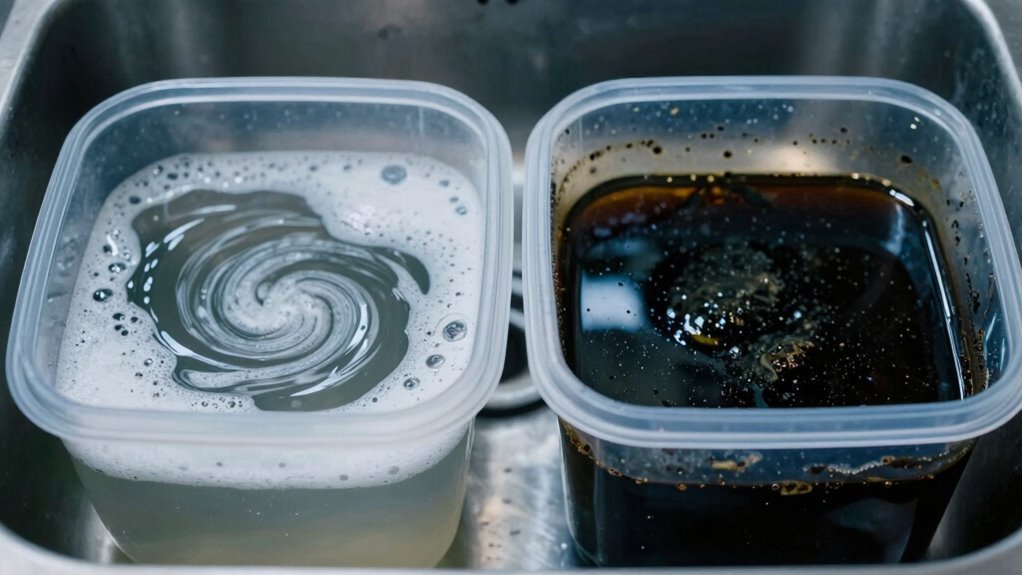
You’re washing dishes, and that soapy water? That’s grey water—mild, reusable stuff from sinks, showers, and laundry. Grey water is the “not-so-bad” water that can be safely used in gardens with a simple setup.
Black water’s the big yikes: toilet waste packed with nasties like bacteria and viruses. It’s a hazard that needs serious treatment before it can be handled or reused.
One’s a garden helper, the other a hazard. Think of grey water as a way to transform your home’s water use, while black water demands caution and proper disposal.
What Is Grey Water?
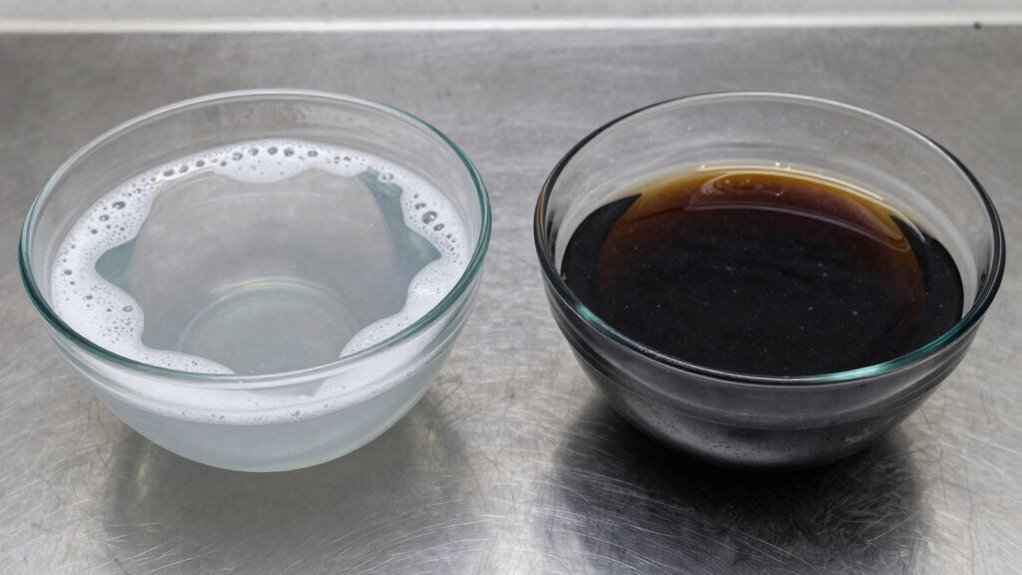
Think of grey water as your home’s second-chance superstar—the unsung hero of everyday drips and drains that still has plenty of life left.
It comes from your sinks, showers, baths, and washing machines—basically, all the wet hustle of daily life minus toilet waste.
You’re not sipping it, of course (yuck!), but it’s far from useless.
Packed with mild soaps, lint, hair, and bits of skin, it’s loaded with nutrients that plants actually love.
Just don’t stash it too long—it starts stinking in under 24 hours thanks to warm, goopy bacteria parties.
Reuse it fast in your garden, and you’ll cut down on fresh water use like a champ.
It’s not perfect—salts and chemicals can pile up in soil—but hey, nothing’s flawless.
With a little care, you’re turning “waste” into a win, one laundry load at a time.
And because greywater makes up about 65% of household wastewater, it represents a major opportunity for reducing overall water demand when reused wisely.
What Is Black Water?
You’ve met the household MVP—grey water, the resourceful recycler of sink soapsuds and shower runoff—but now it’s time to talk about its edgier, far less inviting counterpart: black water.
It’s what you flush—yep, toilet stuff— loaded with feces, urine, toilet paper, and all the unseen hitchhikers like bacteria, viruses, and worm eggs that nobody wants on their side.
It’s gross, sure, but it’s also serious: high in gunk that chokes waterways and packed with nutrients that cause algae blooms if released untreated.
Pharmaceuticals and cleaning chemicals can tag along too.
Left unhandled, it spreads sickness and pollutes groundwater.
But here’s the twist: treat it right, and it can give back—think biogas, fertilizer, or even clean water.
Special systems like septic tanks, composting toilets, or big treatment plants tackle the job, breaking down waste and knocking out germs.
Blackwater contains fecal pathogens that require thorough treatment to prevent disease transmission.
Handling black water isn’t glamorous, but it’s essential—and kind of a dirty superhero story in disguise.
Sources of Grey Water in the Home
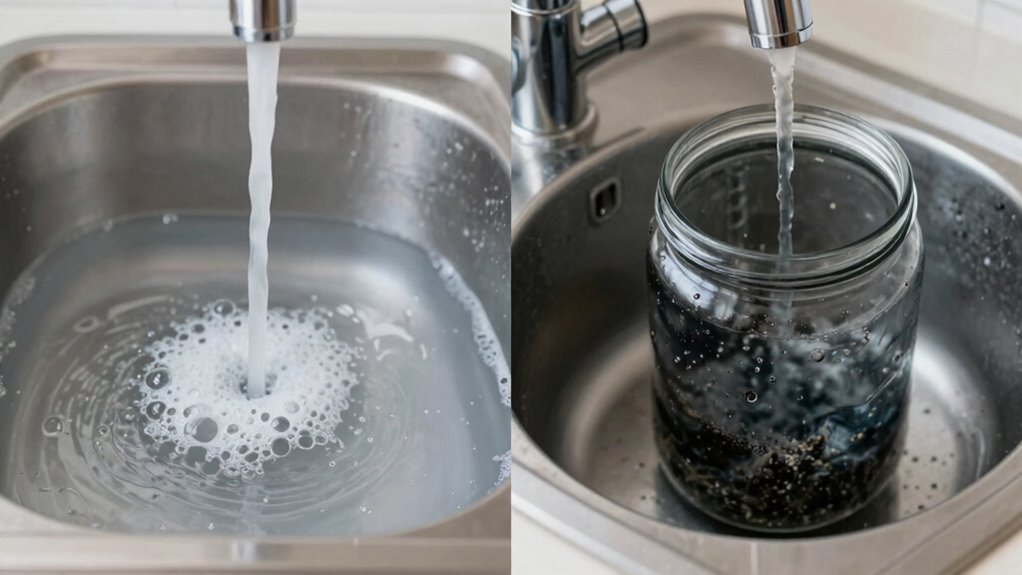
From shower suds to sink spills, your home’s daily drips pack a surprising punch when it comes to water reuse.
You’re washing clothes, and boom—your washing machine sends clean-ish water straight to the yard through a laundry-to-landscape system. No pumps, no tanks, just gravity doing its thing. Turn a diverter valve, and that rinse water feeds your shrubs instead of the sewer.
When you wash your hands, that sink water can skip the drain too—divert it to flowers or even reuse it to flush your toilet with kits like SinkPositive.
Showers? They’re greywater gold, flowing through branched drains into mulch basins.
Even baths dump gallons perfect for irrigation when filtered.
Kitchen sink water’s trickier—full of grease and scraps—but with extra care, it can help your garden thrive.
Honestly, your house is basically throwing away liquid treasure every day!
Using greywater-compatible detergents ensures the water from your laundry doesn’t harm plants while keeping your garden safe and thriving.
Sources of Black Water in the Home
Flush that toilet, and you’re instantly creating the most notorious type of household wastewater—black water. It’s not just poop talk—this stuff is serious, loaded with germs and trouble.
But toilets aren’t the only culprits lurking in your home. When things go wrong behind the scenes, black water can sneak in where you least expect it—yep, even in your kitchen sink or laundry room.
- That smelly kitchen sink? Grease, food scraps, and clogs can turn it into a black water hotspot during a backup.
- Your trusty washing machine might flood with sewage if drains cross-connect or sewer lines fail—laundry day just got gross.
- Cracked pipes or a flooded basement? Raw sewage could be seeping from hidden leaks, making a not-so-friendly appearance.
Stay alert, keep systems maintained, and remember: when black water calls, don’t answer with bare hands!
Health and Safety Considerations
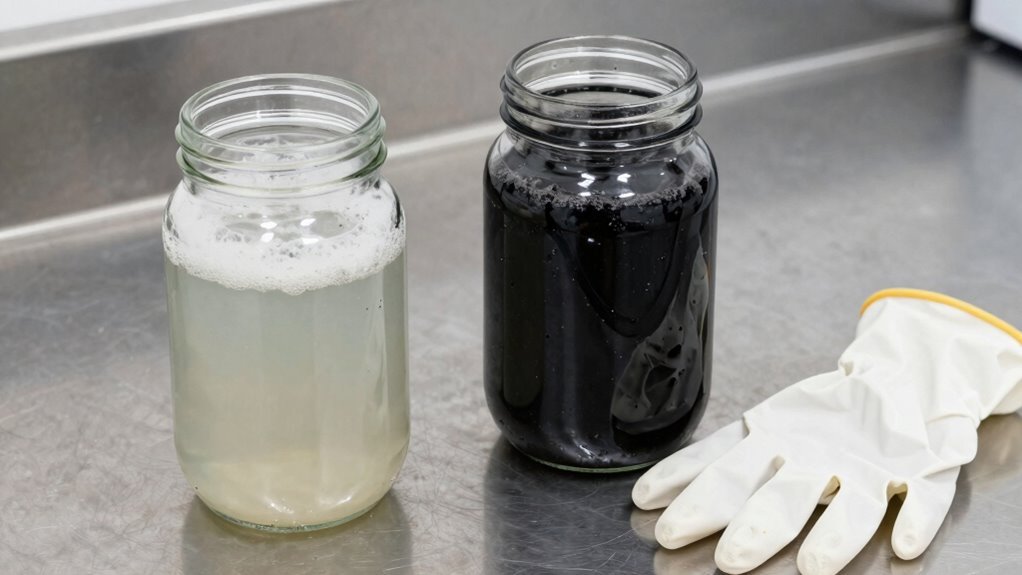
While you might think all wastewater is just “dirty water,” the truth is, some kinds pack a much nastier punch than others—especially when it comes to your health.
Grey water’s no saint, carrying bacteria like Staphylococcus from skin, which can cause rashes or upset tummies if you accidentally drink it—so don’t play house with hygiene.
Leave it sitting longer than 48 hours, and it goes full villain, breeding bacteria fast.
Always wear gloves and avoid open wounds.
But black water? Yikes.
It’s teeming with fecal bacteria—think E. coli, salmonella, even hepatitis.
One whiff of its mist, and your lungs might throw a fit.
Kids, seniors, and anyone immune-compromised should steer way clear.
Both waters can grow mold that worsens allergies, but black water’s the one that truly means business.
Stay smart, stay safe, and let’s keep the gross factor where it belongs—in the drain.
Treatment Methods for Grey Water
Okay, so you’ve locked in the safety basics—gloves on, kids clear, and no sipping the wastewater, got it.
Now let’s turn that sink and shower runoff into something useful. Greywater’s way easier to treat than black water, and you’ve got plenty of options depending on your setup and how fancy you want to get.
- Filters do the heavy lifting, trapping gunk and clearing up cloudiness before anything else kicks in
- Bacteria get to work in systems like SBRs or wetlands, breaking down yucky stuff so it won’t stink up your garden
- UV or chlorine give it a final spa treatment, zapping germs so it’s safe for watering plants (but not your prize-winning tomatoes—save those for rainwater)
From sand filters to living wetland gardens, treating greywater can be high-tech or totally low-key.
With a little setup, you’ll cut water waste and give your landscape a drink—no drama.
Treatment Methods for Black Water
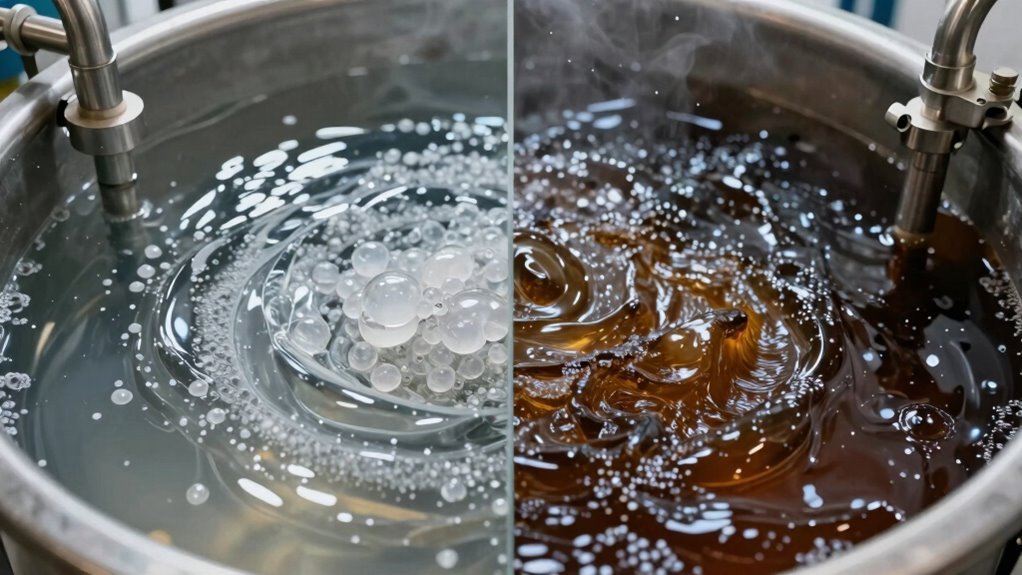
Let’s explore into the nitty-gritty of black water treatment—because yeah, it’s sewage, but it’s also packed with potential.
First, you screen out junk like grit and grease so it doesn’t mess up the system, then let gravity do its thing in a septic tank, where solids settle and get slurped out every few years.
You can even balance flow with holding tanks to keep things running smooth.
Then comes the microbial magic: use aerobic microbes in activated sludge, or let anaerobic bugs chow down and make useful biogas.
Fancy systems like SBRs or trickling filters handle gunk in tight spaces.
After that, zap pathogens with UV, chlorine, or heat—because nobody wants germs crashing the party.
Top it off by turning waste into treasure: pull out phosphorus for fertilizer or compost solids into garden gold.
Honestly, treating black water isn’t just smart—it’s kind of badass.
Environmental Impact of Each Water Type
You’ve just seen how black water gets the royal treatment to turn nasty sewage into something useful.
But now let’s talk about what happens when both greywater and blackwater skip the cleanup and head straight into the environment.
- Greywater from ships and homes can sneak in microplastics, hormones, and toxic chemicals, turning calm coastal waters into danger zones for swimmers and sea life.
- Blackwater overloads water with nutrients and germs, creating slimy algal blooms and suffocating fish by sucking oxygen from the water—talk about a party crasher!
- Both can mess with soil, poison groundwater, and disrupt entire food chains, making reuse not just smart, but essential for cleaner oceans and healthier ecosystems.
You’re not just dumping water—you’re changing the world beneath the surface.
Practical Uses and Reuse Possibilities
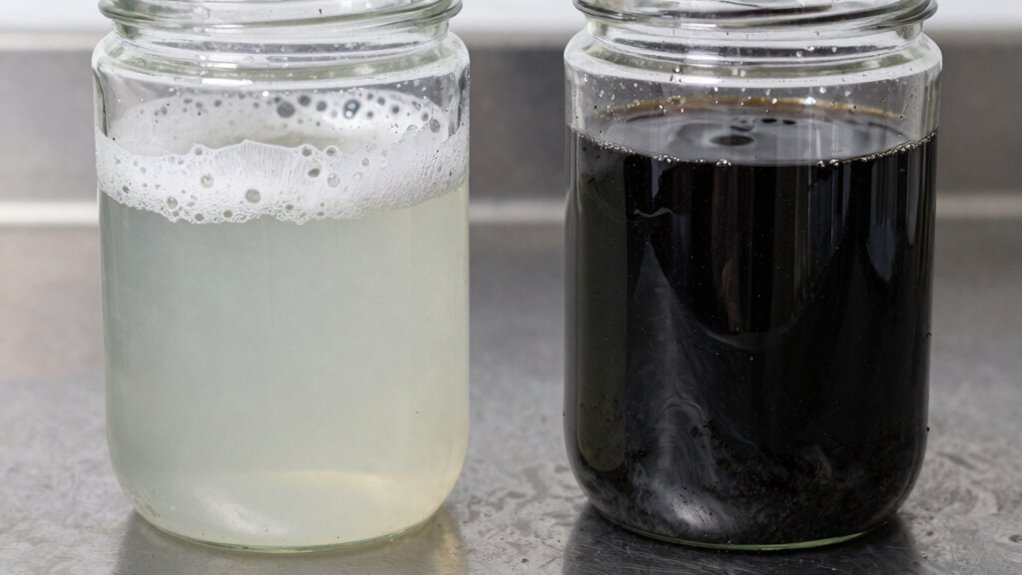
What if the water you rinse your dishes with could later quench your garden’s thirst? It can—thanks to greywater reuse! You can irrigate landscapes using simple subsurface systems or flush toilets, saving up to 50 liters daily.
Use it for laundry or outdoor cleaning with just basic filtration, and boom—25–45% less water use at home.
Fancy a mini wetland? Nutrient-rich greywater from your kitchen is perfect for homemade constructed wetlands.
Meanwhile, blackwater sounds gross, but after heavy-duty treatment, you *can* use it for irrigation, cooling towers, or toilets—though it’s pricier and needs strict rules.
Greywater’s easier, cheaper, and gives quicker savings—think lower bills and fewer septic repairs.
Frequently Asked Questions
Can I Mix Grey Water and Black Water for Treatment?
No, you shouldn’t mix grey water and black water—it’s a messy idea that backfires fast.
You’d turn clean-ish sink and shower water into something as nasty as sewage, requiring heavy-duty treatment.
It’s like dumping salad into a trash can and calling it compost!
Stick to separating them; your garden, wallet, and local ecosystem will thank you later—with cleaner water, fewer pathogens, and way less hassle.
Is It Legal to Use Grey Water Indoors Everywhere?
No, you can’t use grey water indoors everywhere—laws vary and many places say “not so fast!”
Some states, like California and Colorado, are cool with it for toilet flushing or laundry, but others slam the door.
You’ll need permits, special systems, and local approval.
Think of it like a plumbing passport: check the rules before you get started.
Always play by the code, or you might end up in hot water—literally!
How Often Should Grey Water Systems Be Maintained?
You should check your greywater system weekly, like clockwork, because consistency keeps surprises at bay—nobody wants a backyard swamp.
Clean filters every few days to a week, especially if you’ve got a busy household.
Do monthly pump checks, inspect drip lines, and empty sludge every 6 months or so.
You’ll catch hiccups early, dodge disasters, and keep your garden green, happy, and hilariously grateful—yes, plants have feelings too, probably.
Does Black Water Ever Become Grey Water After Treatment?
No, black water doesn’t turn into grey water after treatment—you wish it were that simple!
Once it’s been through the cleaning process, it’s still not your everyday sink water.
Think of it as “retired black water” doing a second job: it’s safe for irrigation but never swaps its past.
It’s like a celebrity chef cooking in your garden, not your kitchen!
Are There Insurance Implications for Using Recycled Grey Water?
Yeah, using recycled grey water can tickle your insurance policy the wrong way if not handled right.
You’ve got to follow local rules and label systems clearly, or your insurer might bolt at the sight of leaks or misuse.
Skip the proper setup, and it’s like serving spaghetti in a suit—messy, avoidable, and potentially costly.
Keep it compliant, keep it safe, and your coverage stays happy.
Conclusion
You now know the scoop—grey water from sinks and showers is yucky but usable, while black water from toilets? Not so much. Did you know the average home recycles just 16 gallons of grey water daily? That’s enough to save a small forest of thirsty plants! Handle both wisely, treat them right, and boom—you’re winning for the planet. Stay curious, stay clean, and hey, maybe give your shower drain a high-five.
References
- https://en.wikipedia.org/wiki/Greywater
- https://www.watereducation.org/aquapedia/gray-water
- https://waterwisegroup.com/blogs/greywater-education/what-is-greywater
- https://extension.okstate.edu/fact-sheets/gray-water-reuse.html
- https://www.planningportal.nsw.gov.au/basix/water/design-principles/alternative-water/greywater
- https://health.hawaii.gov/wastewater/files/2016/03/14_Gray_Water_GL.pdf
- https://greywateraction.org/greywater-reuse/
- https://en.wikipedia.org/wiki/Blackwater_(waste)
- https://taylex.com.au/black-water/
- https://www.eawag.ch/fileadmin/Domain1/Beratung/Beratung_Wissenstransfer/Publ_Praxis/Factsheets/fs_blackwater.pdf