5 Best RV Dash Cams for Stress-Free Road Trips
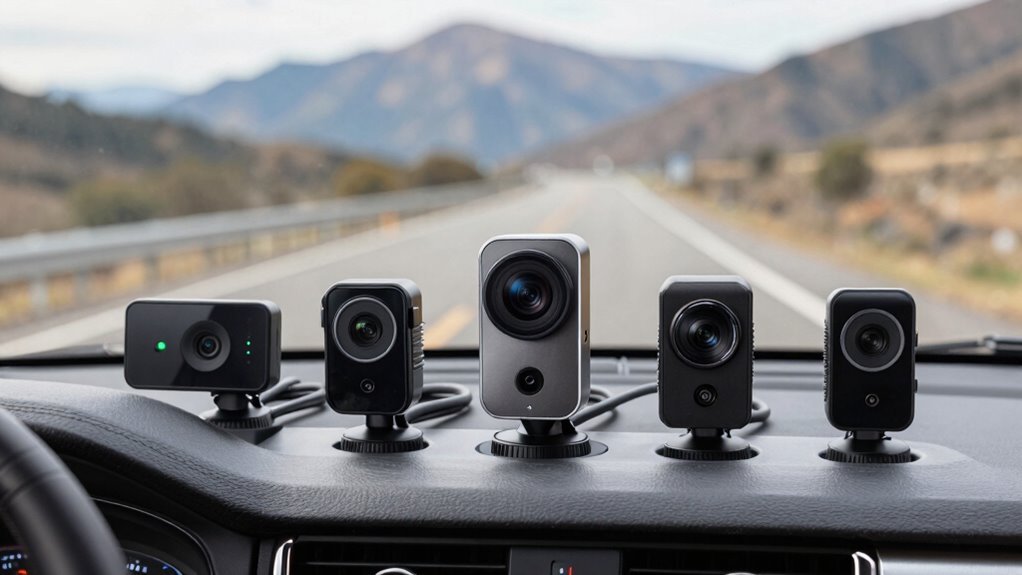
You’re towing thousands of pounds across state lines, trusting your RV’s blind spots to chance—why risk it? Dash cams aren’t just for cars anymore; they’re essential armor for long hauls, especially when you’re counting on reliable RV dash cams to protect your investment.
These devices capture crisp 4K footage, monitor hard-to-see blind zones, and even safeguard your parked rig with parking mode features. But not all models can handle the unique challenges of RV life.
The best RV dash cams must endure constant vibration, extreme weather, and irregular power supply—all without crashing mid-recording. Performance goes beyond resolution; durability and smart features make the real difference.
| Vantrue N4 Pro 4K 3-Channel Dash Cam | 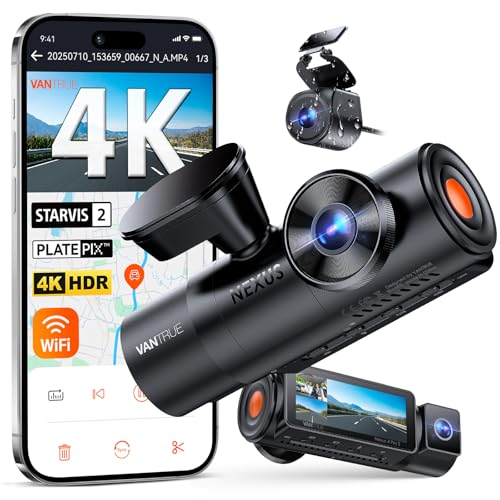 | Best Overall | Video Resolution: 4K Front, 2.5K Rear, 1080P Inside | Sensor Type: STARVIS 2 (Triple) | Night Vision: PlatePix + Night Vision 4.0 with adaptive HDR | VIEW LATEST PRICE | Read Our Analysis |
| 70mai A810 4K Dual Dash Cam | 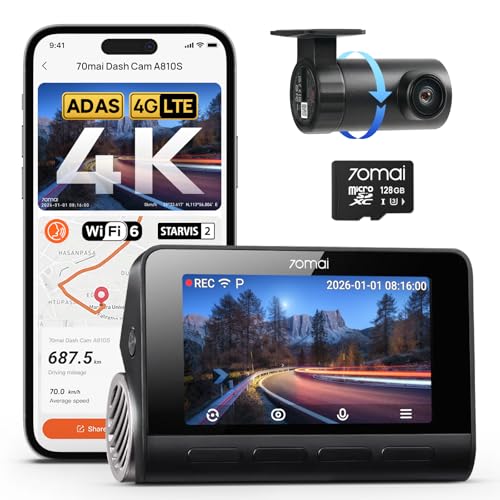 | Best Value | Video Resolution: 4K Front, HDR Rear | Sensor Type: STARVIS 2 (IMX678) | Night Vision: HDR Night Vision with MaiColor Vivid+ Solution | VIEW LATEST PRICE | Read Our Analysis |
| ROVE R2-4K Dual Dash Cam 3″ IPS | 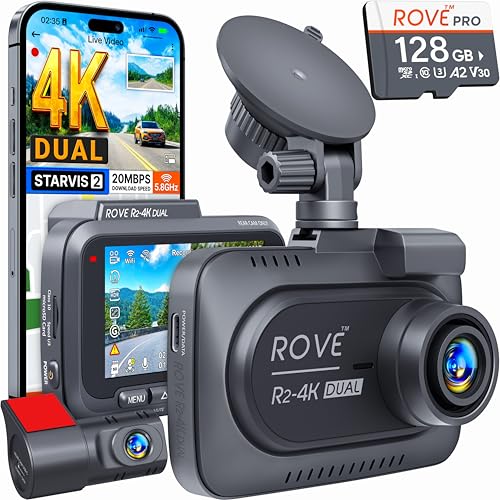 | Budget-Friendly Pick | Video Resolution: 4K Front, 1080P Rear | Sensor Type: Sony IMX675 STARVIS 2 | Night Vision: 2024 night vision tech with HDR | VIEW LATEST PRICE | Read Our Analysis |
| 3 Channel Dash Cam 4K+4K+1080P |  | Premium Choice | Video Resolution: 4K Front, 4K Rear, 1080P Cabin | Sensor Type: STARVIS 2 (Auto Low Light) | Night Vision: Auto IR cabin + Auto Low Light with WDR | VIEW LATEST PRICE | Read Our Analysis |
| REDTIGER 4K Dash Cam Front Rear (F7NP) |  | Editor’s Choice | Video Resolution: 4K Front, 1080P Rear | Sensor Type: STARVIS 2 | Night Vision: WDR, HDR for high-contrast lighting | VIEW LATEST PRICE | Read Our Analysis |
More Details on Our Top Picks
Vantrue N4 Pro 4K 3-Channel Dash Cam
Who wouldn’t want crystal-clear 4K footage from the front, 1080P inside surveillance, and 2.5K rear coverage—all in one rugged, weatherproof system? You get triple STARVIS 2 sensors, including the rear’s IMX662 and front’s IMX678 with PlatePix and Night Vision 4.0—delivering adaptive HDR for license plates even in harsh lighting (2x accuracy, no less).
You’ll record smoothly in 4K+2.5K mode while saving 30% more heat than standard, plus enjoy IP67 waterproofing and -4°F to 140°F operation. The supercapacitor keeps all three cams active during parking mode—buffering 10 seconds pre-event.
With 5GHz Wi-Fi, you can quickly transfer 4K clips to your phone. It’s a complete, high-performance dash cam solution built for all conditions.
- Video Resolution:4K Front, 2.5K Rear, 1080P Inside
- Sensor Type:STARVIS 2 (Triple)
- Night Vision:PlatePix + Night Vision 4.0 with adaptive HDR
- Connectivity:5GHz Wi-Fi, Vantrue app
- Parking Mode:24/7 Parking Mode with buffered motion and impact detection
- Power Source:Supercapacitor
- Additional Feature:Triple STARVIS 2 sensors
- Additional Feature:PlatePix license plate tech
- Additional Feature:5GHz Wi-Fi transfer
70mai A810 4K Dual Dash Cam
If you’re outfitting an RV with a dash cam that handles both broad highway vistas and tight city streets—especially at night—the 70mai A810 4K Dual Dash Cam is a smart pick. Its STARVIS 2 sensors and True 4K front and rear video (3840 × 2160 at 30fps) capture vivid, exposure-balanced footage, even in dim conditions where rivals wash out or pixelate.
You’ll appreciate the MaiColor Vivid+ Solution (MVS) processing—it keeps license plates readable and skies from blowing out. With built-in GPS, ADAS alerts, and optional 4G (via UP05), you get solid driving reports and remote access without overcomplicating setup.
Honestly, who needs another gadget that takes 20 minutes to install? Bluetooth and the free app make clip review a breeze.
Parking mode uses AI motion detection and loop recording, so you’re covered 24/7; just add a U3-rated SD card (32GB–256GB). The electrostatic mount leaves no residue—perfect if you switch vehicles or return a lease.
- Video Resolution:4K Front, HDR Rear
- Sensor Type:STARVIS 2 (IMX678)
- Night Vision:HDR Night Vision with MaiColor Vivid+ Solution
- Connectivity:Bluetooth, Wi-Fi, 4G optional via UP05
- Parking Mode:24/7 AI motion detection and time-lapse parking mode
- Power Source:Supercapacitor (implied via reliability & parking)
- Additional Feature:MaiColor Vivid+ Solution
- Additional Feature:Built-in tri-mode GPS
- Additional Feature:Optional 4G remote access
ROVE R2-4K Dual Dash Cam 3″ IPS
You’re getting top-tier clarity and reliable 24/7 surveillance with the ROVE R2-4K Dual Dash Cam 3″ IPS—ideal for RV owners who want assured coverage without constant tinkering.
You’ll capture front footage in crisp 4K at 30fps (3840x2160P) and rear in 1080P, thanks to a Sony IMX675 STARVIS 2 sensor, with ultra-wide 150° and 140° lenses—perfect for wide RV profiles.
Its 3″ IPS screen helps you monitor feeds easily, while 5G WiFi (dual-band) lets you download videos to your phone at up to 20 MB/s.
Built-in GPS logs speed, route, and location, syncing with ROVE GPS Player—handy for reviewing trips and incidents.
Parking modes (timelapse, motion, collision) run 24/7, but you’ll need a hardwire kit (sold separately) to fully enable them.
- Video Resolution:4K Front, 1080P Rear
- Sensor Type:Sony IMX675 STARVIS 2
- Night Vision:2024 night vision tech with HDR
- Connectivity:Dual-band 5GHz/2.4GHz WiFi, ROVE App
- Parking Mode:Three 24/7 options: timelapse, motion, collision (hardwire kit required)
- Power Source:Built-in supercapacitor
- Additional Feature:3″ IPS display screen
- Additional Feature:Built-in GPS speed compass
- Additional Feature:Free 128GB microSD included
3 Channel Dash Cam 4K+4K+1080P
When protecting every inch of your RV—inside and out—the 3 Channel Dash Cam 4K+4K+1080P stands out by capturing front, rear, and cabin footage in stunning clarity. It’s ideal for full-time travelers and weekend adventurers who want complete visibility without juggling multiple systems.
You’re getting ultra-wide 170° front, 150° rear, and 150° cabin coverage—nearly 360°—with true 4K front and rear. The 1080P infrared cabin recording kicks in automatically, day or night, ensuring clear interior footage in any lighting.
The built-in G-sensor locks collision footage to prevent overwriting during accidents. Loop recording keeps storage functional by recycling old footage, supporting up to 512GB with 128GB included.
WiFi6 lets you review videos instantly through the Terunsoul app. No more squinting at tiny screens—access your footage seamlessly from your smartphone.
- Video Resolution:4K Front, 4K Rear, 1080P Cabin
- Sensor Type:STARVIS 2 (Auto Low Light)
- Night Vision:Auto IR cabin + Auto Low Light with WDR
- Connectivity:Dual-Band WiFi6 (5.8GHz + 2.4GHz), Terunsoul App
- Parking Mode:24-Hour Parking Monitoring with time-lapse and collision trigger (hardwire kit required)
- Power Source:Capacitor-based (implied, no battery mentioned)
- Additional Feature:Auto IR cabin lights
- Additional Feature:WiFi6 dual-band 5.8GHz
- Additional Feature:170° front coverage angle
REDTIGER 4K Dash Cam Front Rear (F7NP)
The REDTIGER 4K Dash Cam Front Rear (F7NP) is a strong contender for RVers who need clear, dependable video and durable construction. It’s especially well-suited for those who tow and require both front and rear coverage.
You get 4K front resolution powered by a STARVIS 2 sensor and an F1.5 aperture, ensuring sharp footage even in low light. The 1080P rear camera offers a 140° field of view, giving you full visibility of your trailer.
WDR and HDR technologies balance high-contrast scenes, preventing washed-out skies and dark underpasses. This ensures clear, well-exposed video in challenging lighting conditions.
The 5.8GHz WiFi delivers fast 20MB/s transfer speeds, making it easy to review and share recordings. GPS logging adds valuable location and speed data to your videos.
For true 24/7 parking mode, a hardwire kit is necessary. The built-in supercapacitor handles extreme temperatures better than traditional batteries.
With an 18-month warranty, REDTIGER stands behind the F7NP. Just follow the manual to keep your coverage protected.
- Video Resolution:4K Front, 1080P Rear
- Sensor Type:STARVIS 2
- Night Vision:WDR, HDR for high-contrast lighting
- Connectivity:5.8GHz WiFi, Redtiger Cam app
- Parking Mode:24/7 Parking Mode with time-lapse and G-sensor (hardwire kit required)
- Power Source:Supercapacitor design
- Additional Feature:6-layer optical glass lens
- Additional Feature:F1.5 large aperture
- Additional Feature:Redtiger Cam app support
Factors to Consider When Choosing RV Dash Cams
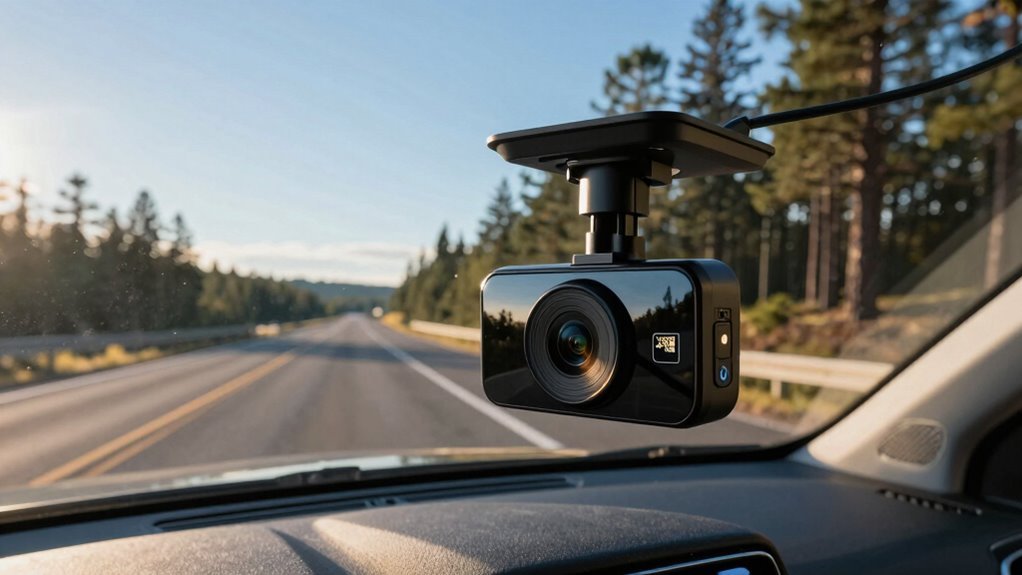
You’ll want to pick an RV dash cam that handles the long haul and rough conditions—think 4K resolution for sharp footage, solid night vision with at least 1080p low-light clarity, and parking mode that stays active for 24+ hours via hardwiring. How tough is it really when the desert hits 120°F or a winter storm rolls in? Look for models rated for -4°F to 176°F operating temps and weather-sealed builds, so you’re not troubleshooting camera glitches mid-road-trip. And let’s be honest—nobody wants a spaghetti bowl of wires; opt for a clean install with hidden routing and low-power standby to avoid draining your RV’s battery.
Video Resolution Quality
Craving crystal-clear footage that actually captures the license plate of the pickup truck that cut you off at the rest stop? Then 4K resolution (3840×2160) is your best bet—it pulls in way more detail than 1080p, making distant signs and fast-moving vehicles legible.
Most dual-channel RV setups pair a 4K front camera with at least 1080p on the rear, balancing sharpness and storage needs without drowning your microSD card. If you go for a 3-channel system, expect 1080p for interior cabin recording—enough clarity to monitor movement without sacrificing front/rear quality.
Look for HDR or STARVIS sensors, too; they preserve detail in harsh sun and deep shadows, so glare from big rig mirrors or tunnel overpasses won’t wreck your evidence. And while 30fps is standard, higher frame rates smooth out fast motion—because nobody wants blurry chaos when things go sideways.
Night Vision Capability
Imagine this: you’re rolling down a pitch-black highway at 2:00 a.m., a semi’s blinding high beams fill your rearview, and suddenly a deer darts across the shoulder—can your dash cam actually see any of it clearly? If it’s got a large aperture (like f/1.5) and a high-sensitivity sensor, then yes—those specs grab way more light, so your footage stays sharp, not grainy.
Look for HDR or WDR, too, since they balance extreme contrasts (think: bright headlights against dark trees) so you don’t lose critical details. Some cams even use infrared lighting to capture clear interior shots or roadside movement without any visible light—handy, right?
Multi-sensor setups go further by merging data from different light ranges, boosting clarity when it’s toughest. Just remember: not all night vision works equally well in near-total darkness, so check real-world tests before trusting it on your next midnight haul.
Parking Monitoring Features
Ever wonder how your RV stays protected when it’s sitting alone in a dark campground lot? Parking monitoring has your back—running 24/7, it captures motion events and even buffers footage seconds *before* something happens, so you never miss the start of an incident.
You’ll want a model with collision detection, which automatically saves and locks clips if impact occurs—thanks to a built-in G-sensor that prevents overwriting during loop recording. Some dash cams offer time-lapse parking mode, recording at a low frame rate (like 1 FPS) to stretch storage life—ideal for weeklong stays.
Just remember: full functionality often needs a hardwire kit for constant power, since relying on the ignition or internal battery won’t cut it long-term. It’s not magic, but it’s close.
Weather & Temperature Resistance
When your RV sits parked under a blistering sun or gets drenched in a sudden downpour, you need a dash cam that won’t quit. Look for models rated to handle extremes, like operating temperatures from –4°F to 140°F, so whether you’re baking in Arizona or winter camping in Montana, the device keeps recording without glitching or shutting down.
You’ll want an IP67-rated rear camera too, since it shrugs off rain and road splashes like a pro. Because who wants a fuzzy, fogged-up backup view mid-storm?
And let’s be real, regular batteries hate heat, but supercapacitors? They laugh in the face of thermal stress, offering better stability over time.
Sure, no gadget loves sitting in a 140°F dashboard sauna, but with solid thermal management and weatherproof housing, your cam won’t bail when you need it most—especially after you’ve paid top dollar to avoid “did my dash cam die again?” moments.
Installation & Wiring Needs
Tapping into your RV’s electrical system for a dash cam setup means more than just plugging in. Get it right, and you’ll have round-the-clock protection without draining your house battery.
You’ll typically need a stable 12V source, and if you want parking mode, a hardwire kit or fuse tap is essential. Supercapacitors help, but let’s be honest—will they survive a desert heatwave?
Plan your cable runs carefully: long extension cables for front and rear cameras must be weatherproofed. This is especially important near wheel wells or roof edges, where moisture sneaks in.
Running separate power lines for each camera prevents voltage drop over 20+ feet. Without this, you risk unexpected reboots mid-recording.
GPS and Wi-Fi modules are handy, but some demand dedicated antenna placement or constant power. Skimp here, and you’ll wonder why your location stamps are missing.
Think through your fuse box access now. Trust me, wrestling with it at midnight after a long drive is not fun.
Storage Capacity & Management
Most RV dash cams use microSD cards, typically ranging from 32GB to 1TB. Many models come with a 128GB starter card but support upgrades to 256GB or even 1TB for longer footage retention.
Loop recording automatically overwrites the oldest files when storage is full, ensuring continuous coverage without manual management. This feature keeps your dash cam running smoothly, so you’re never left unprotected.
Parking mode impacts storage usage differently depending on the setting. Time-lapse recording consumes less space, allowing days of monitoring, while motion or collision-triggered clips provide more detail but fill memory faster.
If you frequently use parking mode, a hardwire kit is nearly essential. Without it, the dash cam may power off with the engine, potentially missing important events.
For weeks of coverage instead of days, consider upgrading to a larger memory card. Also, check if your model supports external storage expansion for added flexibility.
Solid storage management isn’t flashy, but it’s the quiet hero behind stress-free travels.
Frequently Asked Questions
Do RV Dash Cams Work in Extreme Temperatures?
Yes, most RV dash cams work in extreme temperatures. You’ll want one rated for a wide range, like -20°F to 140°F. They’re built to handle cold winters and hot summers, so you can rely on them wherever you drive.
Can I View Footage on My Phone?
You can view footage on your phone, even in blazing deserts or icy mountains—stream it live via Wi-Fi or pull it later through an app. It’s high-tech ease beside rugged terrain, so you stay cool with control right in your palm, no matter where the road freezes or fries.
How Often Should I Format the SD Card?
You should format the SD card monthly to keep your recordings smooth and avoid errors. It clears junk files and resets the file system, ensuring your dash cam runs properly. Don’t skip it—you’ll save trouble later.
Are There Monthly Fees for Cloud Storage?
No, you don’t pay monthly fees unless you want cloud storage—think of it like renting a digital attic. You pop in an SD card, and it’s yours free and clear, no strings attached.
Do These Cams Have Warranty Support?
Yes, they’ve got warranty support—you’re covered if something goes wrong. Most brands offer a solid one-year warranty, and some even toss in extended coverage. Just register your cam, keep the receipt, and you’re all set for peace of mind on the road.
Conclusion
You’ve got options, but choosing the right RV dash cam boils down to what you value—crisp 4K footage, reliable parking mode, or near-360° coverage. Is a supercapacitor worth it? Probably, especially in extreme temps. These cams aren’t magic wands, but they’re close—like a co-pilot with a perfect memory (and no backseat driving). Weigh specs like 1440P rear resolution, F1.5 apertures, and Sony sensors against your route, rig, and risk tolerance—because peace of mind? Priceless.