5 Top-Rated RV Antifreeze Products to Weather Any Winter
You’re staring down another winter season and wondering if your RV’s plumbing will survive the freeze—what if you could skip the guesswork?
With top-rated RV antifreeze options available, protection is within reach.
These products include formulas rated down to -50°F and non-toxic propylene glycol blends safe for plumbing systems.
Some even come with electric heating kits that plug into a 12V outlet for added winter security.
But which RV antifreeze solutions deliver consistent performance without breaking the bank or risking damage?
With so many choices, selecting the right one matters for long-term reliability.
| Antifreeze for Winterizing -50°F (2 Pack) | 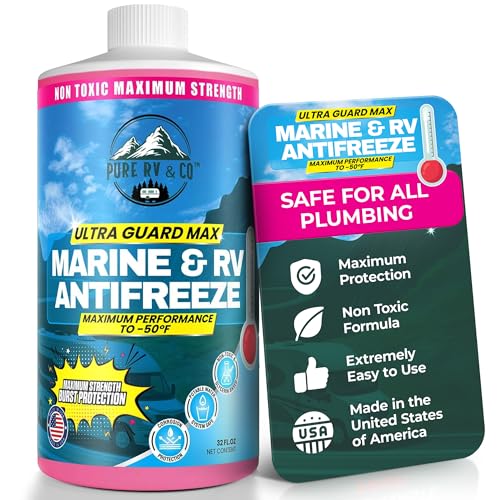 | Best Overall | Freeze Protection: -50°F | Safety: Non-toxic, potable water safe | Application: RV, marine, pool, cottage plumbing | VIEW LATEST PRICE | Read Our Analysis |
| Splash -50 R/v and Marine Antifreeze Ready to Use – 55 Gallon Drum |  | Bulk Value Pick | Freeze Protection: -50°F | Safety: Safe for people, pets, wildlife | Application: RV, boats, spas, pools, vacation homes | VIEW LATEST PRICE | Read Our Analysis |
| RV Electric Antifreeze Heating Kit -20°C | 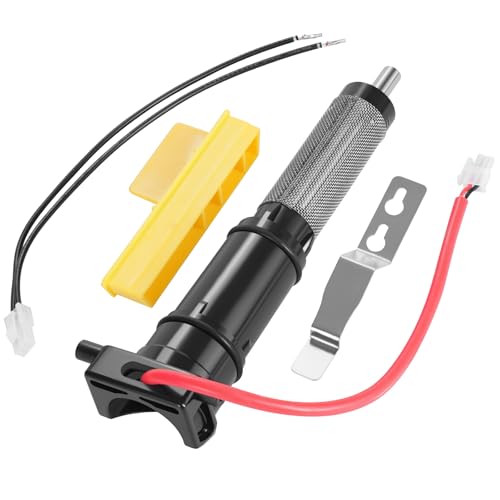 | Smart Tech Choice | Freeze Protection: -20°C (-4°F) | Safety: N/A (electric heating kit, not fluid) | Application: Truma AquaGo RV systems | VIEW LATEST PRICE | Read Our Analysis |
| Antifreeze for Winterizing -50°F (2 Pack) | | Top Runner-Up | Freeze Protection: -50°F | Safety: Non-toxic, potable water safe | Application: RV, marine, pool, cottage plumbing | VIEW LATEST PRICE | Read Our Analysis |
| RecPro RV Antifreeze -50°F Protection Non-Toxic (2 Pack) |  | Trusted Performance Pick | Freeze Protection: -50°F | Safety: Non-toxic, FDA compliant, septic safe | Application: RV, marine engine blocks, plumbing | VIEW LATEST PRICE | Read Our Analysis |
More Details on Our Top Picks
Antifreeze for Winterizing -50°F (2 Pack)
If you’re prepping your RV, boat, or weekend cabin for harsh winter storage—especially where temps plunge below zero—this -50°F-rated antifreeze duo (two 32 oz bottles, USA-made) is your go-to plumbing preserver.
You’ll trust Non-Toxic Ultra Guard Max because it’s propylene glycol-based, safe for potable water lines, and won’t stink up your pump system like some skunky alternatives—seriously, who enjoys that? It lubricates seals, valves, and faucets while flowing smoothly through narrow plumbing, protecting against freeze bursts during months of inactivity.
Weekend warriors and snowbirds alike rely on this marine-grade fluid for RVs, hot tubs, even cottage pipes. It’s not magic, but close—just don’t drink it, okay?
- Freeze Protection:-50°F
- Safety:Non-toxic, potable water safe
- Application:RV, marine, pool, cottage plumbing
- Composition:Propylene Glycol
- Packaging Size:2 Pack, 32oz each
- Compatibility:Fresh-water lines, seals, valves
- Additional Feature:Made in USA
- Additional Feature:Lubricates seals, valves
- Additional Feature:No bad smell
Splash -50 R/v and Marine Antifreeze Ready to Use – 55 Gallon Drum
You’re probably no stranger to winterizing your RV or boat—especially if you’ve ever faced the headache of a burst pipe come spring thaw. That’s where Splash -50 RV and Marine Antifreeze steps in as a trusted ally for seasonal caretakers, DIYers, and property managers juggling multiple systems.
You’ll appreciate its ready-to-use formula—no mixing, no guesswork—poured straight from the 55-gallon drum. This makes it ideal for those prepping several units or managing off-grid properties.
Unlike toxic ethylene glycol blends, this non-toxic, biodegradable solution won’t endanger pets or wildlife if a spill happens. Let’s be honest—spills will happen.
It’s rated to -50°F, safeguarding plumbing in extreme cold, and it’s safe for use in potable water systems. Though, let’s be clear: you’re not drinking it.
Is dealing with antifreeze fun? Not exactly. But with Splash -50, at least you’re not wrestling harmful chemicals or complex prep steps while trying to preserve your gear.
- Freeze Protection:-50°F
- Safety:Safe for people, pets, wildlife
- Application:RV, boats, spas, pools, vacation homes
- Composition:Propylene Glycol (inferred from safety profile)
- Packaging Size:55 gallon drum
- Compatibility:Recreational vehicles, boats, spas, pools
- Additional Feature:Ready to use formulation
- Additional Feature:Readily biodegradable
- Additional Feature:Safe for wildlife
RV Electric Antifreeze Heating Kit -20°C
The RV Electric Antifreeze Heating Kit –20°C stands out as the go-to solution for RV owners running Truma AquaGo systems—especially those who face harsh winter conditions and want reliable frost protection without the hassle of seasonal draining.
You get a factory-grade fit—no modifications needed—since it’s built to OEM specs with durable materials that integrate seamlessly. Installation is plug-and-play simplicity: attach it in minutes, no tools required, and you’re set.
It runs on 12V DC, so you don’t need LPG—handy when traveling or parked with gas off. It reliably prevents freezing down to –4°F (–20°C), keeping your hot water flowing all winter.
And really, who wants to drain their system every time the thermostat dips? With 5 years of support and solid performance, it’s a smart, low-maintenance upgrade—assuming your rig already runs AquaGo.
- Freeze Protection:-20°C (-4°F)
- Safety:N/A (electric heating kit, not fluid)
- Application:Truma AquaGo RV systems
- Composition:Electric heating system (no fluid)
- Packaging Size:N/A (kit, not consumable fluid)
- Compatibility:Truma AquaGo RV systems
- Additional Feature:Plug-and-play installation
- Additional Feature:Operates on 12V DC
- Additional Feature:5-year after-sales service
Antifreeze for Winterizing -50°F (2 Pack)
For RV owners prepping for brutal winter conditions, this Antifreeze for Winterizing -50°F (2 Pack) delivers serious freeze protection down to –50°F. Whether you’re safeguarding a freshwater line in a camper or flushing the plumbing on a boat, it’s built to handle extreme cold without cracking or clogging.
It’s made in the USA, uses non-toxic propylene glycol, and is safe for potable water systems. You won’t have to worry about nasty fumes or harmful residues.
This antifreeze lubricates seals, faucets, and valves while flowing smoothly through narrow pipes and fixtures. That means less hassle and no wrestling with a frozen pump come spring.
Perfect for RVs, marine units, pools, or cottages, this 2-pack of 32oz bottles balances cost, performance, and peace of mind. After all, who really wants to thaw a burst hose at dawn?
- Freeze Protection:-50°F
- Safety:Non-toxic, potable water safe
- Application:RV, marine, pool, cottage plumbing
- Composition:Propylene Glycol
- Packaging Size:2 Pack, 32oz each
- Compatibility:Fresh-water lines, seals, valves
- Additional Feature:Potable water safe
- Additional Feature:Trusted by enthusiasts
- Additional Feature:Smooth flow through fixtures
RecPro RV Antifreeze -50°F Protection Non-Toxic (2 Pack)
Looking for RV antifreeze that won’t quit when temperatures plunge below -30°F? RecPro’s -50°F Protection formula (RP-19937-2) has you covered—literally.
This non-toxic, FDA-compliant fluid won’t harm steel, plastic, copper, or brass plumbing, offering peace of mind. It also lubricates seals and gaskets to prevent wear and is septic-safe, so you won’t damage your system.
Each 2-pack weighs 14 lbs, making it easy to handle. Despite assumptions, it’s still readily available.
With a 4.6-star rating from 668 users and a top 50 ranking in antifreezes, it’s clearly trusted. Is it worth the price jump over generics? Probably, if you value burst protection that actually delivers when the mercury crashes.
- Freeze Protection:-50°F
- Safety:Non-toxic, FDA compliant, septic safe
- Application:RV, marine engine blocks, plumbing
- Composition:Non-toxic materials (propylene glycol-based)
- Packaging Size:2 Pack
- Compatibility:Steel, plastic, copper, brass plumbing, septic systems
- Additional Feature:Septic safe formula
- Additional Feature:FDA-compliant materials
- Additional Feature:4.6-star customer rating
Factors to Consider When Choosing RV Antifreeze Products
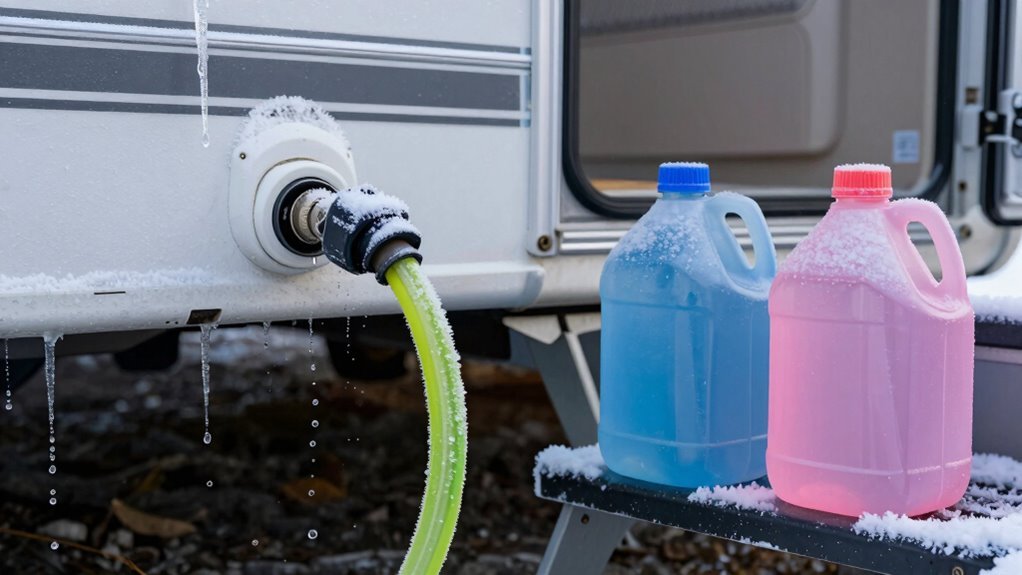
You’ll want to pick an RV antifreeze that matches your climate—especially since protection levels vary, and nobody wants a burst pipe at 3 a.m. in -20°F weather. Check for non-toxic formulas (like propylene glycol) so it’s safe around pets and kids, and make sure it won’t corrode seals or damage rubber components in your plumbing. Is it really easier to pour a thick pink liquid through a squeeze bottle, or are you just hoping it won’t spill on your shoes?
Freeze Protection Level
How cold could it really get where you’re storing your RV? Have you checked the historical lows for your region, or are you banking on averages that might not save your plumbing when the mercury plummets?
You’ll want antifreeze rated to at least -50°F, which reliably protects pipes, tanks, and fixtures down to that threshold—no guesswork. That number isn’t about performance under flow or lubrication; it’s strictly the lowest temp the fluid can handle before ice risks kick in.
Some kits claim -4°F (-20°C) frost protection, but only with added electric heating—don’t count on that alone. Always match the freeze protection level to your area’s worst-case scenario, not the usual winter chill.
Skimping here could mean burst lines come spring.
Toxicity and Safety
Why risk a blue tinge in your toilet bowl if it means peace of mind for your plumbing and pets? Most top-rated RV antifreezes use propylene glycol—non-toxic, safe for potable water systems, and far safer than old-school ethylene glycol, which you’d never want near your sink or shower.
You’ll find many labeled as septic-safe and non-toxic to aquatic life, meaning accidental outdoor spills or disposal won’t wreck ecosystems—though you still shouldn’t pour gallons down the storm drain. Ready-to-use options cut mixing risks, so you’re not fumbling with concentrates that could lead to overexposure.
Even if the label says “non-toxic,” don’t let your guard down: keep it away from curious pets and kids, and always follow the manufacturer’s directions—because safe handling isn’t just about chemistry, it’s about common sense.
System Compatibility
While it might be tempting to grab whatever antifreeze is on sale, making sure it’s actually compatible with your RV’s plumbing could save you hundreds in repairs down the road—so don’t assume all pink liquids are created equal. You need a propylene glycol-based, potable-water safe formula that won’t wreck your fresh-water lines, seals, or faucets.
Because, newsflash, your RV’s got brass, copper, plastic, and steel all playing nice together, and harsh chemicals? They’ll ruin the vibe. Always pick a product specifically labeled for RV, marine, or pool use; otherwise, you’re rolling the dice on cracks, leaks, or gunked-up valves.
Go for one with -50°F protection—it’s not overkill, it’s peace of mind during deep freezes. And hey, lubricating additives? Non-negotiable—they keep gaskets and seals flexible, preventing drips when spring rolls around.
Septic-safe and non-toxic? Absolutely, especially if you’re dumping near nature or your in-laws’ septic tank.
Ease of Use
Ever wonder why some RVers finish winterizing in under an hour while others wrestle with buckets, mix ratios, and leaky funnels? You’ll save serious time when you choose ready-to-use antifreeze—no dilution needed, no guesswork with mixing.
Look for pre-packaged 32 oz singles or convenient 2-packs that simplify handling and guarantee you’re using the right amount. Even if you’re drawing from a 55-gallon drum, the formula’s already set, slashing prep time.
Many top options are non-toxic and safe for potable water systems (yep, no need to suit up like a hazmat pro), so you can pour with confidence. Plug-and-play setups flow right into your system—no special tools, no fuss.
Sure, it might not feel like rocket science (and it’s not), but the right product turns a chore into a chore that’s actually doable before lunch.
Environmental Impact
You’ve already saved time with ready-to-use formulas that pour straight from the jug—no mixing, no mess. But now it’s worth asking: what happens after that antifreeze goes down the drain?
Good news—you’re likely using propylene glycol, a non-toxic, potable-water-safe compound. It won’t poison your septic system or local stream.
Unlike toxic ethylene glycol, this stuff breaks down readily in the environment. It’s non-harmful to aquatic life and compatible with wastewater treatment, so you’re not dumping a chemical bomb downstream.
Most top-tier brands highlight biodegradability, with many achieving 95% decomposition within 28 days under the OECD 301B standard. This means it won’t wreck your holding tanks or gray water setup.
Sure, “non-toxic” doesn’t mean “go pour it in the flowerbed.” But it does mean fewer gloves, less guilt, and a lighter environmental footprint when winterizing hits.
You’re not just protecting pipes—you’re making a quietly responsible call.
Frequently Asked Questions
Can I Reuse Leftover RV Antifreeze Next Year?
No, you shouldn’t reuse leftover RV antifreeze next year. It degrades over time and may not protect your system. Always use fresh antifreeze to guarantee your RV’s plumbing stays safe and functional during winter storage.
Is RV Antifreeze Safe for Septic Systems?
Yes, you’re safe—most RV antifreeze is non-toxic and septic-friendly. Nearly 90% of brands use propylene glycol, which breaks down safely. You can dump it without harming your tank, but always check the label to be sure you’re using the right kind.
How Long Does RV Antifreeze Last in Storage?
It lasts years in sealed storage, so keep it cool and dry. You won’t need to replace it soon—just check the color and consistency before using. If it looks off, you’re better off tossing it and buying new.
Can I Mix Different Brands of RV Antifreeze?
No, you don’t dare mix different brands of RV antifreeze—doing so might damage your plumbing. Stick to one superb, safe, trusted type to keep your rig running right and avert messy malfunctions. It’s smarter, safer, and saves you serious surprises down the road.
Does RV Antifreeze Expire if Unopened?
No, unopened RV antifreeze doesn’t expire if stored properly. You’ll keep it in a cool, dry place, and it’ll stay effective for years. Just check the manufacturer’s date and look for leaks or damage before using it—you can trust it when you need it most.
Conclusion
Think of your RV’s plumbing as a winter athlete—it’ll perform best with the right gear, not just any warm-up. You’ve got options: -50°F protection, non-toxic propylene glycol, 55-gallon drums for bulk prep, or plug-and-play electric kits (12V, -20°C rated). RecPro lubricates seals—handy—while USA-made bottles offer portability. But ask yourself: are you prepping once or long-term? Each product balances cost, convenience, and chemistry, so pick your player based on climate, system size, and how much you hate frozen hoses.