Full-Time RV Living Tips for Beginners
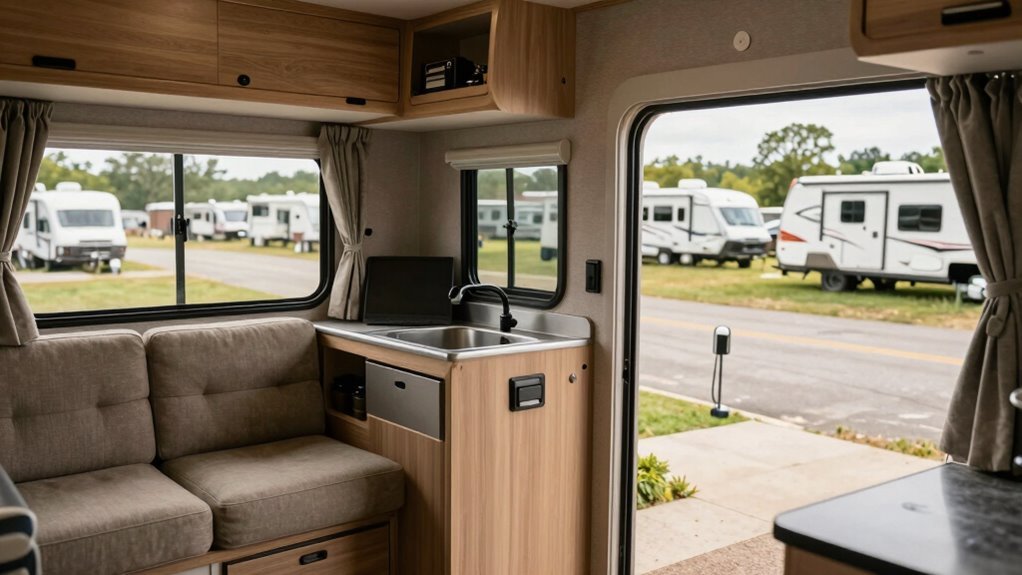
Full-Time RV Living Tips for Beginners start with choosing the right rig for your lifestyle. You’re trading square footage for freedom, so pick an RV that fits—like a fifth wheel for space or a nimble Class B for solo adventures.
Downsize using the “love, use, need” rule and let go of items like that unused bread maker. Simplifying your belongings makes full-time RV living more manageable and enjoyable.
Master your RV’s three tanks: fresh, gray, and black. Boondock responsibly and know when to dump and flush to keep systems running smoothly.
Book campsites early, especially in popular spots like Florida or national parks. Having a reservation ensures a safe, legal place to park and rest.
Check your rig’s seals, tires, and generator regularly like a road-savvy pro. A little routine maintenance prevents surprises, like a leak in the middle of the night.
Choose the Right RV for Your Lifestyle
Ever wonder how you’ll actually live in an RV—like, really live?
Well, it starts with picking the right one for your life.
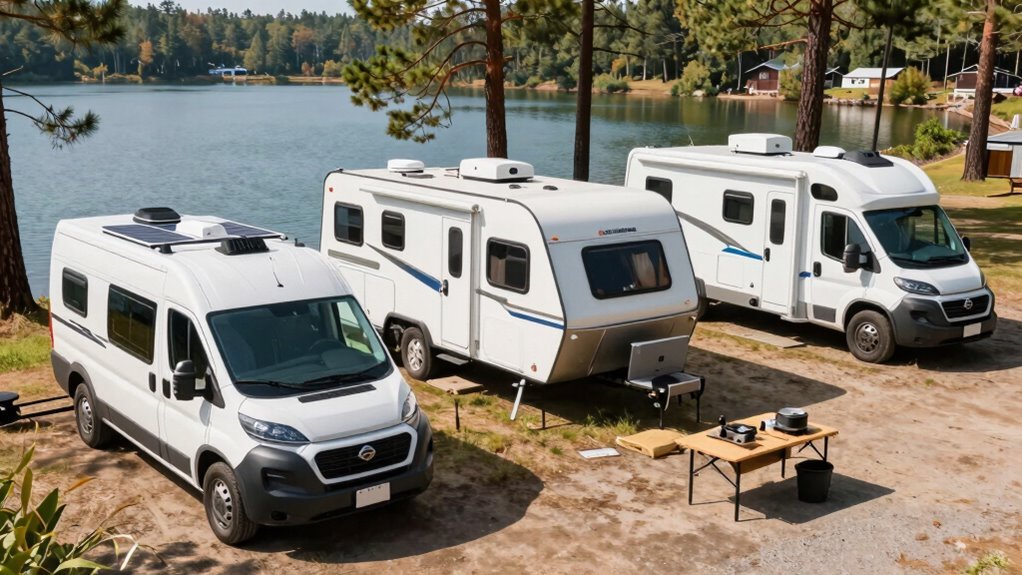
If you’re a family needing space and a bunkhouse, a travel trailer like the Grand Design Imagine or Forest River Wildwood gives you room to stretch, plus kitchens that won’t cramp your cooking style.
Digital nomads, rejoice—the Wildwood even has a dedicated office!
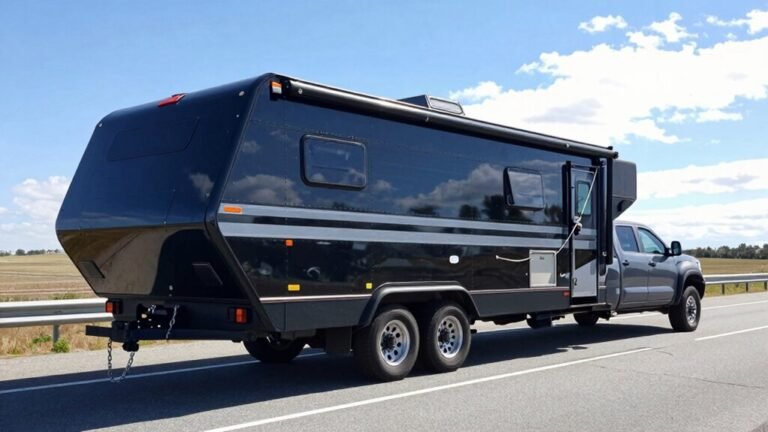
For full-timers, fifth wheels are unofficially the fan favorite; they’re roomy, priced right, and Grand Design’s models—like the Alliance Paradigm—bring in serious light and luxury.
Motorhomes? Class A’s are like homes on wheels, while Class C’s, like the Winnebago Minnie Winnie, offer clever layouts and that fun cab-over loft.
And if you’re flying solo or in a small crew, Class B’s nimble size and fuel savvy make them perfect for hopping from spot to spot—no stress, all freedom.
Many top models also offer four-season configurations for year-round comfort in any climate.
Downsize Your Belongings Strategically
Once you’ve picked the perfect RV, it’s time to tackle the real adventure: deciding what stays and what goes.
Start months early—trust me, your future self will thank you.
Rushing leads to regret, like keeping that bread maker you haven’t used since 2016.
Sort slowly, asking each item: Do I love it? Use it? Need it? If it’s just “meh,” let it go.
Sell what you can, gift goodies to friends, donate the rest, and don’t be afraid to toss what’s trash.
Less stuff means less stress and more room for road trips and adventures.
Skip organizing *first*—declutter!
You’ll avoid cramming junk into cute bins.
And set deadlines; “someday” never comes.
Do a little each day—small wins add up.
Once you’re rolling, adopt the “one in, one out” rule.
That way, your tiny kingdom stays clutter-free, functional, and totally yours—no Tetris skills required!
Master Water and Power Management
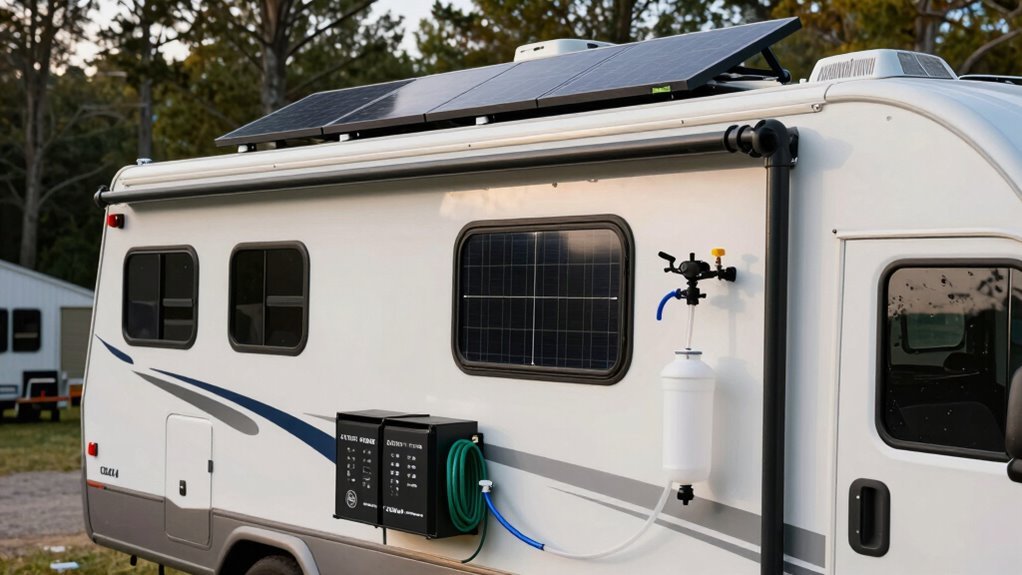
Grab your water hose and fire up the mindset—water and power management in your RV isn’t rocket science, but it does take a little know-how to keep things flowing smoothly.
You’ve got three main tanks: fresh for drinking, gray for sink and shower water, and black for, well, you know.
With full hookups, you can shower like you’re at home—lucky you!
But on partial hookups, conserve water like a desert camper.
Always use a pressure regulator—plumbing hates surprise spikes.
Keep your pump off when using city water or traveling.
Upgrade to an Aquajet pump if you’re dry camping often—it’s worth the $160.
Sanitize your fresh tank twice a year with bleach (don’t forget to flush it out!).
Filters, softeners, and enzymes keep nasties at bay.
And hey, no one wants a black tank explosion—monitor levels, dump smart, and breathe easy.
You’ve got this!
Boondocking limits your fresh water supply to what’s stored in your tanks, so every drop counts.
Learn Essential RV Maintenance Basics
You’ve got your water flowing and power humming, but don’t stop there—keeping your RV in top shape means showing it a little regular love.
A few simple checks can save you big headaches (and expensive repairs) down the road.
Think of it like brushing your teeth—skip it, and things get ugly fast.
Stay on top of these essentials so your home-on-wheels keeps rolling smoothly:
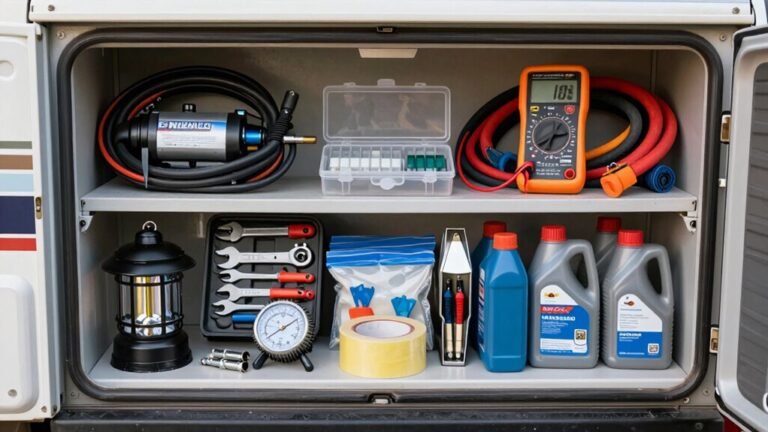
- Tires & Wheels: Check pressure weekly, inspect for cracks monthly, and get those bearings serviced yearly—blowouts aren’t a roadside snack.
- Roof & Seals: Look for soft spots, reseal vents every few months, and clean off gunk—because leaks love surprise parties.
- Brakes & Systems: Test brakes, lube the hitch, run the generator, and check propane—safety first, always.
- Your RV will thank you with many more miles of adventure.
Plan Your Parking and Campground Reservations
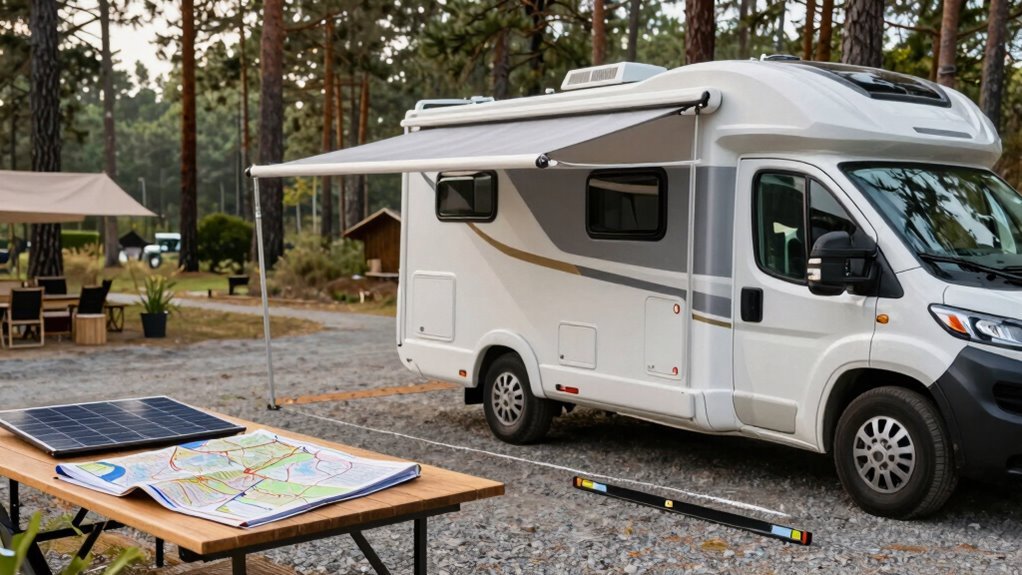
Where will your wheels take you—and more importantly, where will you park them for the night? Book early—like, *way* early—especially for peak spots.
National parks open reservations six months out, so set a reminder and pounce.
Florida state parks? Snag those up to a year ahead.
Private campgrounds often let you book a full year, so lock in longer stays first, then tweak later.
Use tools like Campspot or RoverPass to scan 20,000 spots—RoverPass even tracks cancellations for just $7.50 a pop.
Measure your rig and double-check site sizes so you don’t end up playing Tetris with your black tank.
Arrive early for first-come sites, or charm the staff after landing a one-night stay.
Stay flexible—swap dates, tweak locations, and always have a backup plan.
Because nothing kills the vibe like circling a crowded park at sunset, right?
Navigate Waste and Sanitation Like a Pro
So you’ve got your spot nailed down and your rig parked just right—now let’s talk about the not-so-glamorous part nobody wants to ignore: dealing with the “black gold.”
Handling waste and sanitation in your RV doesn’t have to be a gross chore or a guessing game.
- Use a portable 28-gallon tank with wheels and a macerator pump to ditch the heavy lifting and dump stress-free.
- Tap into automated systems that sense when tanks are 3/4 full and flush themselves—gray water cleans the hose, too!
- Keep odors at bay by managing Valterra valves smartly, and treat tanks with enzymes so everything flows smoothly.
With the right setup, emptying tanks feels less like a dirty job and more like hitting a high-tech reset button—because nobody said full-time RVing couldn’t be kinda fancy.
Stay Connected on the Road
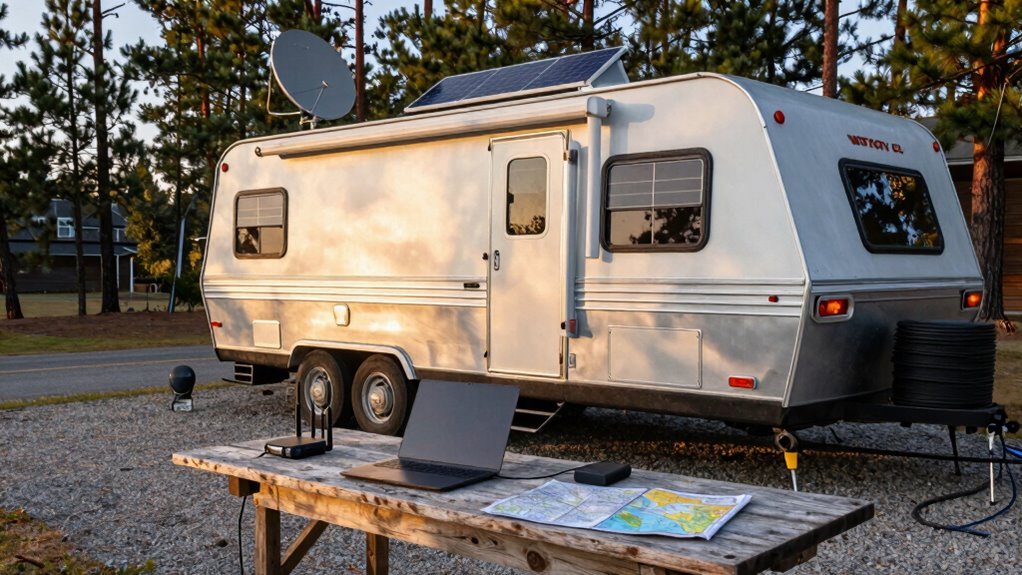
How’s your internet game plan looking when the open road calls? You’ll want a solid setup so you can stream, work, and Zoom without stress.
A 4G/5G LTE router—like a MoFi4500—turns cell signals into private Wi-Fi, and self-installs in 15 minutes flat.
T-Mobile’s AWAY plan gives you unlimited data and a free 5G gateway, no extra fees.
Need backup? Pair it with Starlink Roam for $165/month and stay online even in the middle of nowhere.
Hotspots like the Inseego MiFi X PRO 5G help too, especially when you’re on the move.
Add a signal booster or external antenna, and weak bars won’t ruin your binge-watch session.
With multi-network devices, you’ll auto-connect to the strongest signal—no fiddling around.
Choose based on your budget, habits, and where you roam.
Stay connected, and the whole country becomes your office, living room, and happy place.
Build a Routine for Life on the Move
While the freedom of the open road might tempt you to wing it every day, having a routine actually makes the adventure smoother and way more fun. You’ll save time, stress less, and have more energy for spontaneous hikes or coffee with new friends.
Think of your routine as your trusty co-pilot—it’s there when you need it, but doesn’t spoil the surprise of the journey.
- Stick to mini cleaning bursts each day (yes, even wiping counters counts so you’re not scrubbing grime mid-rainstorm
- Plan your week like a pro: 30% work, 35% exploring, 30% chilling, and 5% moving—your brain and GPS will thank you
- Use checklists for weekly swaps (hello, fresh sheets!) and pre-departure prep so you never forget the pet’s favorite toy again
Routine? More like rout-yay
Frequently Asked Questions
Can I Live in an RV in One Place Permanently?
You can’t live in an RV permanently just anywhere—it’s a legal maze, not a one-size-fits-all deal.
States like Texas and Florida say “sure!” if you’re on your own land, but others like Indiana or Hawaii?
They’ll shut it down fast.
Check local zoning, health codes, and permits—some let you stay during home construction.
Rules shift quicker than campfire smoke, so do your homework or risk a not-so-fun eviction surprise.
How Do I Handle Mail and a Permanent Address?
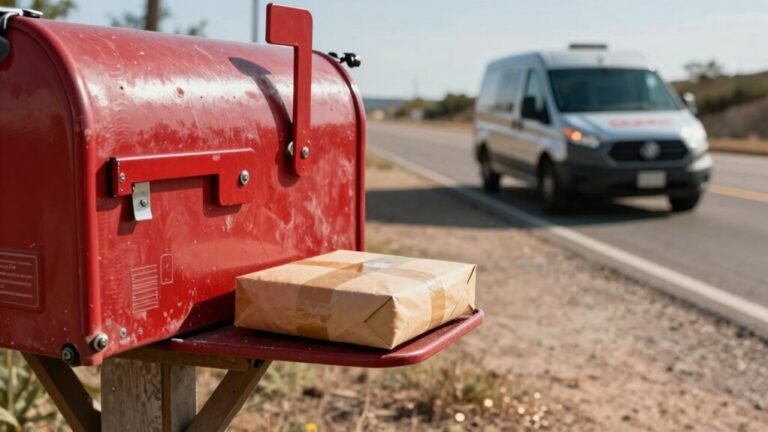
You grab a mailbox with a real street address, not a P.O. box, so you don’t end up with mail stuck in limbo like lost treasure.
You use a friend’s place or a pro service—think sunny Texas with no income tax and cowboys waving at mail trucks.
You scan, forward, and stay connected from mountain tops or desert dunes, all while sipping coffee, knowing your bills aren’t piling up like dirty dishes.
What Insurance Do I Need for Full-Time RV Living?
You’ll need full-time RV insurance to cover your rolling home like a house, not just a vehicle.
It protects your stuff, covers liability, and even helps with hotel stays if repairs kick you out.
Skip it, and you’re gambling with your life savings.
You’ve got this!
Just don’t forget uninsured motorist coverage—because yes, someone *will* back into your rig at a rest stop.
Are Pets Allowed in Most Campgrounds and RV Parks?
Yeah, most campgrounds let you bring pets—about 64% of RVers do!
You’ll find dog parks, washing stations, and even agility courses popping up everywhere.
Just check each park’s rules; some charge fees or limit breeds.
Keep your pup leashed and clean, and you’re golden.
Cats, chickens, even parrots tag along too!
With pet-friendly spots in high demand, you’re not just welcome—you’re part of the pack.
How Do I Find Reliable Healthcare on the Road?
You’ve got this—finding reliable healthcare on the road doesn’t have to be a wild goose chase.
Grab Medicare with Parts A, B, and D, and boost it with Medigap so you’re covered anywhere.
Use Florida Blue’s PPO network or telemedicine like Teladoc for quick visits.
Stash $1,000+ for emergencies, budget $50–$200 monthly, and always pick nationwide plans—your health’s no joke, but staying covered? Easy as pie.
Conclusion
So, you’ve traded house payments for hitchhiking toilets, and your backyard now changes daily—congrats, you’re officially a nomadic wizard! Sure, your shower’s tinier than a dog’s bathtub, and “full-time” sometimes means fixing a leak at midnight, but hey, free mountain views! Embrace the chaos, laugh when the fridge stops working, and remember: you’re not lost, you’re just living the dream—one pothole at a time.
References
- https://blog.campingworld.com/find-your-rv/best-rv-for-full-time-living/
- https://www.youtube.com/watch?v=yW0utO6FbfY
- https://heathandalyssa.com/what-rv-should-i-buy/
- https://www.youtube.com/watch?v=ZHm53masS2U
- https://www.extraspace.com/blog/outdoor-recreation/types-of-rvs-guide/
- https://www.rvtrader.com/blog/2023/11/01/which-rv-is-best-to-buy-for-full-time-living/
- https://www.escapees.com/blog/downsizing-for-rv-life-unclutter
- https://twohappycampers.com/downsizing-from-a-house-to-full-time-rv-living-a-few-tips/
- https://www.alvinrvresort.com/tips-for-downsizing-for-rv-living/
- https://www.youtube.com/watch?v=npCxLh7BjvY