Planning an RV Road Trip: Tips and Tools for the Journey
Pick an RV that fits your vibe—class6 Class A, nimble Class B, or family-friendly Class C—and don’t forget a fifth-wheel if you love space. Choosing the right RV is key to enjoying your RV road trip, no matter your travel style or destination.
Use RV-specific navigation to dodge low bridges and scary hills, and always plan your route ahead of time. This helps ensure a smoother journey and keeps your rig safe on unpredictable roads.
Book campsites early on Recreation.gov, especially for popular parks and peak seasons. A well-placed reservation can make all the difference in your daily itinerary.
Pack smart with essentials like a surge protector and fresh water hose for reliable hookups. These tools protect your RV and keep utilities running smoothly.
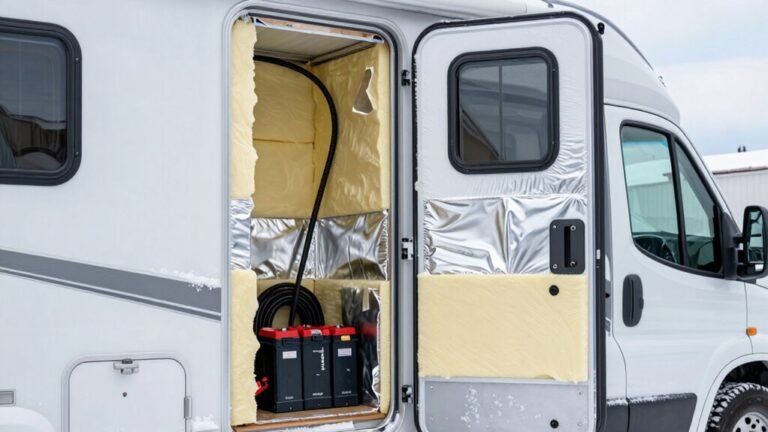
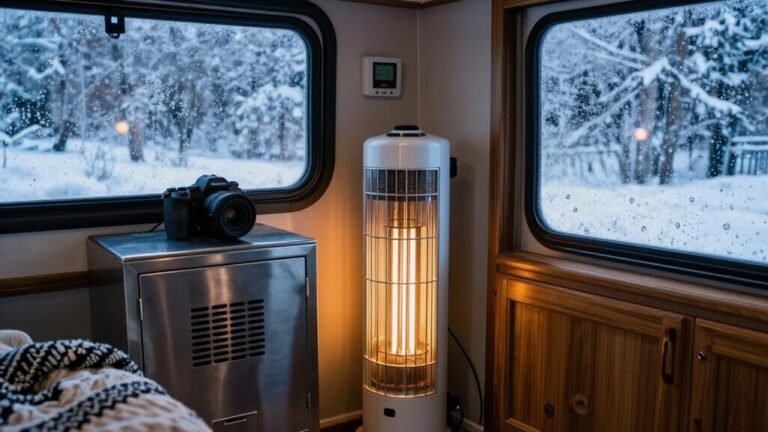
Stay comfy in any weather by preparing your rig with proper insulation and climate controls. Regular maintenance prevents breakdowns and extends your RV’s life.
Laugh your way through wide turns like a pro captain steering a land-yacht—you’ll get the hang of it. With the right prep, you’ll love every moment of your RV road trip.
Choose Your RV Type Wisely
Picking the right RV isn’t just step one—it’s the foundation of your entire road trip adventure, and getting it right means the difference between “this is amazing!” and “can we go home now?”
Think of it like choosing your travel superhero: do you want to roll deep in a Class A motorhome, king of the highway with all the luxuries of home (plus a closet that probably doubles as a small bedroom)?
Or maybe a nimble Class B, snug as a bug but sipping gas like a champ?
Class C gives you middle-child perks—plenty of space, slide-outs, and a bed over the cab.
Towing fans love fifth-wheels and travel trailers; they’re roomy, affordable, and free your truck for quick errands.
You’ve got options, road warrior—so pick your ride, pack your sense of adventure, and hit that open road with confidence.
These motorized RVs offer the convenience of no hitching/unhitching needed at camp.
Plan Your Route With Rv-Specific Navigation
Now that you’ve picked your home-on-wheels—whether it’s a sleek Class B or a palatial fifth-wheel—it’s time to chart your course with the right tech by your side.
Ditch the regular GPS; your rig needs smarts that know its size, weight, and quirks.
With RV-specific navigation, you’ll dodge low bridges, sketchy tunnels, and surprise steep hills like a pro.
Voice commands let you keep your hands on the wheel and eyes on the road, while real-time traffic, weather, and fuel prices keep surprises to a minimum.
- A bright touchscreen guiding you through twisty highways and tiny towns
- Red warning alerts popping up before that “low clearance” bridge ruins your day
- Drag-and-drop stops on a map while sipping coffee at a rest area
- Peace of mind knowing your route avoids propane-restricted tunnels and narrow mountain roads
Many top models offer built-in Wi-Fi for seamless updates and connectivity on the go.
Book Campgrounds That Fit Your Needs
Where do you want to wake up to the sound of birds chirping, waves crashing, or maybe just the peaceful hum of a quiet campground?
Start booking early—popular spots fill up fast, sometimes a year ahead, especially in national parks or during holidays.
Use Recreation.gov to filter by RV size, hookups, and location, so you don’t end up squeezing your 40-footer into a space meant for a pop-up!
Check reviews, cell coverage, and proximity to trails or attractions you love.
Don’t forget to account for your whole crew—kids, pets, and that second vehicle.
Some sites even hide spots for phone bookings, so calling can be a sneaky win.
Always double-check rules, check-in times, and cancellation policies.
A little prep means more time grilling s’mores, not stressing over spots.
Recreation.gov is managed by 13 federal agencies to provide access to public lands and waters.
Happy camping—you’ve got this!
Pack Essentials Without Overloading
You’ve locked in your dream campsite, so now let’s talk about what you’re bringing along—because nothing kills the vibe faster than showing up with too much stuff or realizing you forgot the toilet paper (again).
Pack smart, not hard: focus on essentials that pull double duty and ditch anything “just in case.”
You’ll need space for memories, not junk drawers on wheels.
Stick to what keeps you safe, clean, fed, and comfy—like these must-haves:
- Surge protector – silently guarding your rig from electrical spikes like a superhero in a power strip cape
- Drinking water hose – kink-free and fresh, it’s your lifeline to clean sips and campground showers
- Multi-tool – compact, tough, and ready to fix, open, or pry anything that acts up
- First aid kit – small but mighty, with bandaids, meds, and the magic touch of preparedness
Pack light, play big.
Prepare for Weather and Seasonal Changes

Ever wonder how some RVers stay cool as a cucumber in a heatwave or cozy as a campfire s’more in a sudden chill?
You can too—just stay one step ahead of Mother Nature.
Check weather apps and radar before and during your trip, and turn on alerts for storms or extreme temps.
If tornadoes are nearby, the Storm Prediction Center’s your go-to guide.
Adjust travel times to dodge heat or bad weather, and pick campsites away from flood zones or shaky trees.
Park smart: face the wind head-on and secure awnings, chairs, and gear before it gets gusty.
Inside, clean AC filters, top off propane, and stash extra water.
When storms roll in, batten down hatches—literally.
Slide-outs in, windows locked, tires checked.
Keep your emergency kit ready, because surprise weather shouldn’t mean surprise panic.
With a little prep, you’ll laugh in the face of surprise snow flurries.
Maintain Your RV Before and During the Trip
While Mother Nature loves throwing curveballs, your RV doesn’t have to buckle under the pressure—if you stay ahead of the game with smart, simple maintenance.
A little elbow grease before and during your trip keeps breakdowns at bay and adventures on track.
Imagine this:
- You’re crouched beside a gleaming tire, pressure gauge in hand, giving those treads a once-over like a detective on a case.
- You’re peeking under the sink, flashlight in mouth, checking for sneaky water leaks like you’re on a mini treasure hunt.
- You’re sanitizing the fresh tank, bleach solution ready, because nobody wants a science experiment in their water lines.
- You’re testing the fridge on propane, grinning as it hums to life—your future beer cooler is officially ready for duty.
Stay sharp, stay rolling.
Stay Connected With the Right Tech Tools
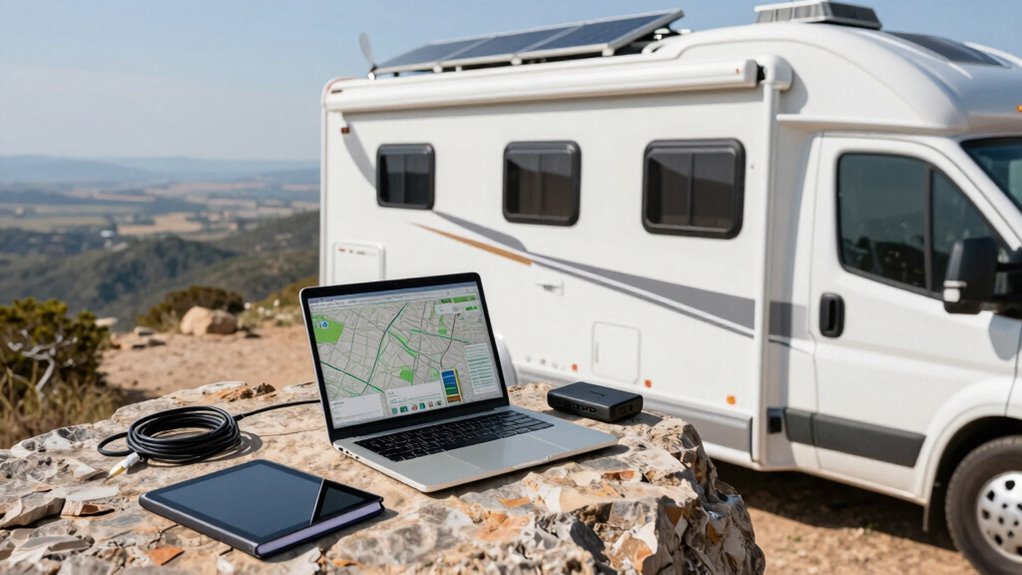
How do you keep the whole crew in the loop when the lead RV vanishes around a bend in the mountains, or your kids take off on bikes at a national park?
Grab a pair of rugged two-way radios like the Midland GXT67 PRO or Retevis RA87—they’re game-changers.
With ranges up to 20+ miles using repeaters, you’ll stay linked even in forests or canyons.
Ditch CB radios; these go 4x farther!
Pick models with long battery life, weather resistance, and glove-friendly controls.
Toss in headsets like the AVP1 for crystal-clear audio, even with wind howling.
Need internet?
Hotspots and WeBoost signal boosters keep you online, while apps like Campendium and RV LIFE guide your route and camp spots.
RV-specific GPS avoids low bridges and tight roads—because nobody wants a “scenic” detour that ends in panic.
Stay connected, stay safe, and keep the adventure rolling—without losing each other (again).
Practice Safe Driving and Parking Techniques
Keeping your RV steady on the open road starts with smart habits behind the wheel—think of it like driving a really big, homey toaster that you can’t afford to drop.
You’ve got to respect its size, speed, and stopping power.
Stay alert, stay calm, and give yourself extra room—always keeping 4 to 6 seconds behind other cars, more if it’s raining or foggy.
Use your signals early, check blind spots like you’re searching for lost snacks, and never hug the left lane.
When hills pop up, downshift instead of overworking your engine, and never ride those brakes downhill.
And when parking? Take your time, use a spotter, and remember—you’re not parallel parking a sedan.
- Picture a football field to gauge your braking distance
- Imagine your blind spot hiding a moose—always check!
- Visualize gears as gears on a bike—lower = more power uphill
- Think of your RV as a slow, majestic boat turning in traffic
Frequently Asked Questions
Can I Bring My Pet on an RV Road Trip?
You can absolutely bring your pet on an RV road trip — they’ll love the adventure!
Just keep them safe in a kennel while driving and never leave them in a hot vehicle.
Make sure their rabies vaccine’s up to date and pack their health records.
Bring their favorite toys, keep them leashed at campgrounds, and clean up after them — nobody likes surprise landmines!
Are RV Restrooms Comfortable for Long Trips?
Yes, RV restrooms can be comfy on long trips—you’re not stuck playing “squatty potty” in the woods anymore!
Wet baths feel snug, like showering in a closet, but they get the job done.
Larger models give you room to move, with separate showers and real sinks.
Just grab RV-friendly toilet paper, keep tanks clean, and you’ll avoid a stinky surprise.
It’s not luxury hotel level, but hey, you’ve got your own bathroom on wheels—talk about freedom!
How Do I Handle Mail While Traveling Long-Term?
You’ve got this—just sign up for a mail forwarding service and relax.
They’ll scan your mail, toss the junk, and forward the rest right to your campsite.
Pick a plan that texts you when mail arrives, ship packages overnight, and even help stash your address legally in states like Texas or Florida.
It’s like magic, but real, and way better than chasing letters across time zones.
What Should I Do About Health Insurance on the Road?
You’re not magic, so skip the wishful thinking and get real coverage, okay?
Ditch the HMOs—they’ll ghost you cross-state.
Grab a private PPO or fixed-benefit plan, toss in accident insurance, and hello, freedom!
Add telemedicine for rashes at 3 a.m. and toss Medi-Share into the mix if you’re feeling adventurous.
Boom—you’re covered from Key West to Canada without begging for mercy in an ER.
Is It Safe to Boondock in Remote Areas?
Yeah, it’s totally safe to boondock in remote areas—often safer than busy campgrounds!
Crime’s rare, and you’re more likely to scare off a curious raccoon than meet a thief.
Just stay aware, lock up when you’re out, and share your spot with someone.
Toss in motion lights, chat with nearby campers, and boom—you’ve got your own cozy, secure wilderness fortress.
Nature’s the real boss out there, so respect her quirks!
Conclusion
You’ve picked your RV, mapped the journey, and packed smart—now it’s time to hit the road! Remember, “the journey is the destination,” so savor every mile. Stay safe, laugh off the hiccups, and let the open road surprise you. With the right prep and a sense of adventure, your RV trip won’t just be fun—it’ll be unforgettable. Go make stories worth telling!
References
- https://www.campanda.com/magazine/which-rv-rental-is-right-for-you/
- https://www.parkonwhiskey.com/road-trip-ready-how-to-choose-the-best-rv-for-your-lifestyle/
- https://www.lippert.com/blog/types-of-rvs
- https://blog.indiecampers.com/rv-and-campervan-types-explained-a-complete-guide-for-families-couples-beginners/
- https://www.extraspace.com/blog/outdoor-recreation/types-of-rvs-guide/
- https://www.jayco.com/blog/RV-Class-Chart/
- https://blog.campingworld.com/find-your-rv/the-complete-guide-to-rv-types/
- https://www.rvezy.com/blog/rv-types
- https://www.gorving.com/explore-rvs/compare-rvs
- https://rvshare.com/blog/the-best-gps-units-rvers/